
Law
Financial Recovery After a Taxicab Accident in NY: Medical Bills and Lost Wages


Navigating financial recovery after a taxicab accident in New York can be daunting, but it’s essential to understand your rights and entitlements. Injured passengers are often entitled to compensation for both medical bills and lost wages, ensuring they aren’t left to bear the financial burden alone. This protection is particularly critical given New York’s comprehensive no-fault insurance laws.
When a taxicab accident occurs, the injured party may seek compensation from multiple sources. This can include their own insurance policy, the taxicab driver’s insurance, and, in some cases, other drivers involved in the accident. New York law mandates that no-fault insurance will cover reasonable and necessary medical expenses and up to 80% of lost wages, capped at $2,000 per month for up to three years. This coverage aims to help victims manage their financial recovery and maintain stability during their recovery process.
If you’re dealing with the aftermath of a taxicab accident, it’s crucial to get legal support to navigate your claim effectively. Legal experts can guide you through the process, ensuring you access the compensation you deserve. For more detailed assistance, consider consulting Manhattan taxicab accident lawyers who specialize in these cases and can provide the necessary legal guidance.
Understanding Your Rights and Options
Victims of taxicab accidents in New York have specific legal rights and options to recover financial damages for medical bills and lost wages. This section provides an in-depth look into assessing insurance coverage, the importance of a personal injury attorney, identifying liable parties, and exploring potential legal actions for compensation.
Assessing Insurance Coverage and Benefits
After a taxicab accident, understanding the role of no-fault insurance is crucial. In New York, no-fault insurance covers medical expenses regardless of who is at fault. Personal Injury Protection (PIP) benefits are typically used to cover medical bills, rehabilitation costs, and a portion of lost wages up to a specific limit.
Contacting the insurance company promptly helps ensure timely processing of claims. Victims should also be aware that serious injuries may allow for legal actions beyond the scope of PIP benefits, permitting claims against the at-fault driver’s insurance for additional compensation.
The Role of a Personal Injury Attorney
A personal injury attorney plays a critical role in maximizing compensation. Professional legal counsel can navigate complex insurance claims, negotiate settlements, and represent the injured in a court of law. Engaging a personal injury lawyer early ensures that all legal details are handled professionally.
Many personal injury law firms offer a free consultation to discuss the case details. An attorney evaluates the full extent of damages, including long-term medical needs and lost income, potentially increasing the settlement amount.
Identifying Liable Parties and Proving Negligence
Determining liability is a key step in pursuing compensation. Liability may rest with the taxicab driver, another driver involved in the accident, or even the taxicab company. Proving negligence involves collecting evidence such as police reports, witness statements, and medical records.
An experienced lawyer helps identify all liable parties and builds a case to demonstrate their negligence. This could include proving that the at-fault driver was speeding, distracted, or violated traffic laws. Establishing clear liability is essential for a successful claim or lawsuit.
Exploring Legal Actions for Compensation
Victims may need to pursue legal actions if insurance benefits are insufficient. Filing a personal injury claim against the at-fault driver’s insurance company is a common approach. In some cases, it may be necessary to sue for damages through a personal injury lawsuit.
Legal actions can cover a broad range of compensation claims, from medical bills and lost wages to pain and suffering. Settlements can often be reached out of court, but legal proceedings might be necessary if the insurance provider disputes the claim. Consulting with a personal injury attorney will guide victims through the process and improve the chances of a favorable outcome.
Economic Recovery and Managing Losses
Recovering from a taxicab accident in New York involves understanding the financial implications tied to medical expenses, lost income, long-term disabilities, and non-motorist accident scenarios. This section outlines the necessary steps for managing these economic losses effectively.
Calculating Medical Expenses and Lost Income
After a car accident, medical bills and lost wages become immediate concerns. No-fault insurance in New York helps cover medical expenses up to certain policy limits, but it is crucial to keep meticulous records. Collecting bills, pay stubs, and documentation from healthcare providers is essential. Additionally, lost income includes not only wages but also other compensations like sick time and vacation time.
To calculate total economic loss, one should account for balance billing practices and any necessary expenses involved in medical care. These figures play a significant role in reaching a fair settlement or in court proceedings.
Understanding Employment-Related Benefits
Employment-related benefits may include those provided by employers such as New York State disability or social security disability benefits. These benefits are vital for financial stability after a serious injury. NYS disability pays half of one’s wages up to $170/week, whereas auto insurance may cover up to $2,000/month for lost wages.
Employers need to be informed of the injury to facilitate claims. Regularly updating them with medical reports and related documentation ensures that benefits are processed timely. This helps bridge the gap caused by lost earnings due to the accident.
Dealing with Long-Term Disability and Trauma
Prolonged recovery or long-term disability requires additional support. Emotional distress and pain and suffering are critical components of personal injury claims. Securing compensation involves proving a serious injury threshold is met, highlighting ongoing medical treatments, and understanding long-term care costs.
Lost earning capacity can be significant, especially for professions that require physical labor. Consulting an accident attorney or a New York City personal injury lawyer can aid in navigating complex legal and medical evaluations. Managing these aspects ensures proper compensation and aids in the overall recovery process.
Navigating Non-Motorist Accident Scenarios
Non-motorist scenarios, such as accidents involving pedestrians, skateboards, scooters, or bicycles, present unique challenges. Compensation is pursued differently, often involving uninsured motorist policies.
For pedestrians and other non-motorists, documenting the accident scene, obtaining witness statements, and immediately filing claims with insurance companies are crucial. Specific care must be given to subrogation issues, where insurance companies seek reimbursement from liable parties, thus complicating the financial recovery process.
Understanding these nuances ensures that all potential avenues for financial relief are explored and pursued adequately.
In Conclusion
Financial recovery after a taxicab accident in New York involves several key steps and understanding various policies. Injured parties must be aware of their rights and the procedures to follow for compensation. Medical bills are typically covered by Personal Injury Protection (PIP) insurance, which every New Yorker must carry. This coverage can help pay for medical expenses up to the policy limits. For lost wages, no-fault insurance also plays a crucial role. It reimburses for lost earnings caused by the accident, allowing the injured person some financial relief during recovery.
In certain cases, passengers may seek compensation from multiple sources, including the driver’s insurance and possibly their own insurance policies. This ensures broader coverage and more comprehensive compensation. Legal action may be necessary to recover additional costs not covered by insurance. Consulting with a knowledgeable attorney is advised to navigate the complexities of the claims process and maximize recovery.
Law
Chealse Sophia Howell Files Lawsuit Against Grant Cardone and Cardone Capital Highlighting Digital Business Accountability

MIAMI, FL — Chealse Sophia Howell, a former Miss Universe Canada delegate and entrepreneur, has filed a civil lawsuit in Miami-Dade County, Florida, against sales trainer and real estate investor Grant Cardone and his company, Cardone Capital, LLC. The lawsuit raises broader questions about accountability, influence, and responsibility in the digital business environment, particularly regarding statements made on widely followed social media platforms.
According to the complaint, Howell alleges that Grant Cardone used his social media presence to publish and amplify statements implying her involvement in serious criminal activity, including accusations she denies. The lawsuit contends that these statements reached millions of users across platforms such as Instagram, X, Facebook, and LinkedIn, significantly amplifying their impact and causing tangible harm to Howell’s personal and professional life.
Howell’s filing emphasizes the increasing risks for business leaders who rely on digital platforms for communication and branding. The complaint asserts that statements made by influential figures can have immediate and far-reaching consequences, including reputational damage, lost business opportunities, financial losses, and concerns for personal safety. According to court documents, the scale and permanence of social media amplify the potential harm from false or misleading statements, creating challenges for individuals and companies operating in highly visible industries.
The lawsuit outlines multiple causes of action, including defamation per se, defamation by implication, and tortious interference with contractual and advantageous business relationships. Howell alleges that Grant Cardone and Cardone Capital acted with actual malice, meaning that the statements were published with knowledge of their falsity or with reckless disregard for whether they were true. These claims reflect the complex legal questions that arise when online speech intersects with professional and business interests.
According to court filings, Howell is the founder of Haute Agency, a talent management and brand development firm representing models, influencers, and creatives, and also operates a skincare company under her name. The complaint asserts that her professional success depends heavily on credibility, trust, and long-term relationships with clients, partners, and sponsors. The alleged defamatory statements, Howell claims, disrupted business relationships, led to canceled endorsements, and caused prospective partnerships to be abandoned.
The lawsuit further alleges that the posts created real-world consequences, including harassment and threats. The complaint states that online users sought information about Howell’s personal whereabouts, creating safety concerns and emotional distress. Howell’s legal team emphasizes that these outcomes illustrate how statements by individuals with substantial online influence can extend far beyond mere commentary and into areas with serious practical implications.
In addition to compensatory damages, Howell seeks injunctive relief to prevent Grant Cardone and Cardone Capital from continuing to disseminate or amplify the alleged statements. The filing argues that monetary damages alone are insufficient to address the ongoing harm caused by the persistence of these statements online, which can continue to affect public perception and business relationships long after their initial publication. Howell also seeks recovery of attorneys’ fees and costs and has demanded a jury trial. Punitive damages may also be pursued, reflecting claims of intentional and malicious conduct.
Legal observers note that cases involving alleged online defamation are becoming increasingly significant as courts consider how traditional legal standards apply to modern digital communication. Lawsuits such as Howell’s may influence how business leaders approach public statements, particularly when those statements have the potential to damage reputations and disrupt professional relationships. Experts suggest that the outcomes of such cases could inform broader standards of accountability and responsibility for individuals with substantial social media followings.
The filing against Grant Cardone and Cardone Capital also highlights broader issues related to digital influence and public perception. According to the complaint, the rapid dissemination and visibility of online statements mean that reputational harm can occur almost immediately and persist indefinitely through reposts, search engine indexing, and commentary. Courts may increasingly be called upon to balance protections for free speech with remedies for individuals and businesses harmed by online statements.
Howell’s lawsuit remains pending in Miami-Dade County Circuit Court. No rulings have been issued, and all claims described in the filing remain allegations. Grant Cardone and Cardone Capital have not been adjudicated responsible for the claims at this time. The case is being closely watched by legal observers and business leaders alike due to its potential implications for how online influence, speech, and accountability are evaluated in the digital business landscape.
Also Check:
https://drive.google.com/file/d/1Uyk_ZHhL84JKT_v2_UdsSYS_XgD7TR-t/view?usp=drivesdk
https://drive.google.com/file/d/1crUZMoULb3sVNaSAXn_amXsl_B_bMFO0/view?usp=drivesdk
Disclaimer: This article summarizes allegations contained in a civil complaint. All defendants are presumed innocent unless and until proven otherwise in a court of law.

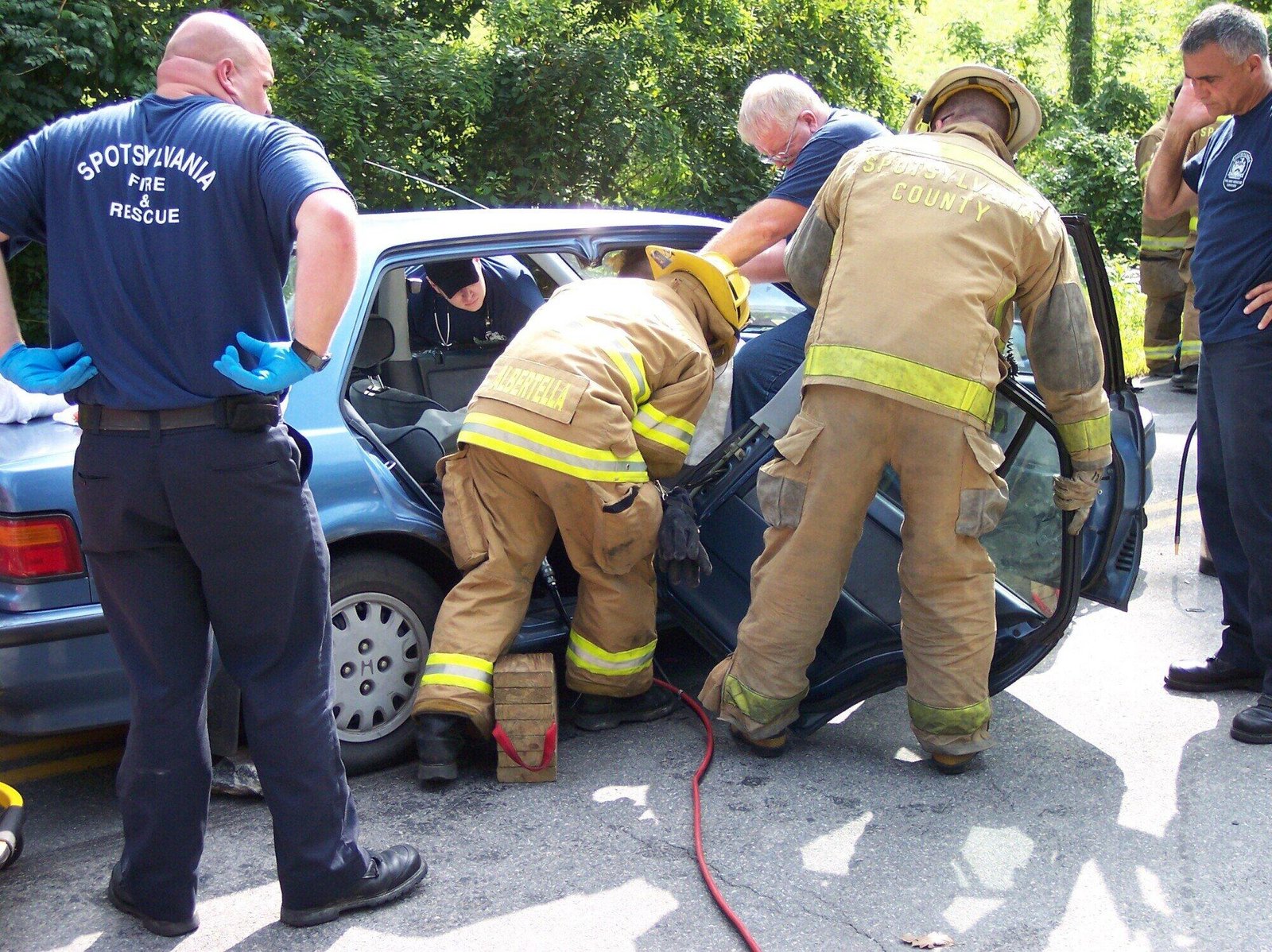
When the word “catastrophic injury” comes up, it usually makes us think of terrible accidents that change lives forever. But what exactly is a catastrophic injury?
These injuries are very severe and often require long-term medical care. They can arise from various situations, and understanding them is important for multiple reasons.
Understanding catastrophic injuries helps us be more prepared and know how they affect us and our loved ones.
What Is a Catastrophic Injury?
A catastrophic injury is a type of injury that has serious, long-lasting effects. People with these injuries can have difficulty doing everyday tasks.
For example, they might struggle with walking, talking, or taking care of themselves. Some injuries can result in permanent disabilities, requiring constant assistance and costly care. There are many types of catastrophic injuries. Below are some common examples:
- Brain Injuries
- Spinal Cord Injuries
- Amputations
- Severe Burns:
- Multiple Fractures
Common Causes of Catastrophic Injuries
Understanding the causes of these injuries helps us know how to avoid them. Here are some common causes of catastrophic injuries:
Motor Vehicle Accidents
Car accidents are one of the leading causes of catastrophic injuries. Every year, thousands of people are hurt or killed in crashes. Some drivers might be reckless, distracted, or even under the influence of alcohol. Always wearing seat belts and following traffic rules can help keep us safer on the road.
Workplace Accidents
Many people work in jobs that can be dangerous, leading to serious injuries. Construction sites, factories, and entertainment venues can have safety risks. Proper training and equipment might prevent these injuries and save lives.
Sports and Recreation
While sports are fun and healthy, they can also lead to injuries. Contact sports like football or hockey can cause concussions or other severe injuries. Using safety gear, like helmets and pads, can help protect players.
Violent Crimes
Sadly, some people experience catastrophic injuries due to violence. This might happen during fights or attacks. Communities need to work together to prevent violence and keep each other safe.
The Impact of Catastrophic Injuries
Living with a catastrophic injury affects not just the injured person but their families as well. Here are some ways these injuries can impact lives:
Physical Effects
People with catastrophic injuries often face ongoing physical challenges, need regular treatment. This can include surgeries, therapy, and medications to manage pain.
Emotional and Psychological Effects
Not only do catastrophic injuries change physical abilities, but they can also impact emotions. Injured individuals may experience depression, anxiety, or frustration related to the loss of independence.
Financial Burdens
The costs of medical care for catastrophic injuries can be huge. In some cases, families may find they need to adjust their lifestyles to afford necessary treatments. Legal support may be needed to help recover costs.
Understanding Your Rights
If you or a loved one experiences a catastrophic injury, it is essential to know your rights. Seeking compensation for medical bills and suffering is vital. A catastrophic injury lawyer can help you navigate the legal process. They can explain your case and advocate on your behalf to ensure you receive fair compensation.
Taking Action
Catastrophic injuries are serious matters that can affect anyone. By understanding what causes these injuries and their potential impacts, we can work together to prevent them.
If you or someone you know is injured, consider seeking help from a catastrophic injury lawyer who can guide you through recovery and help protect your rights. Remember, being informed is one of the best ways to ensure safety for ourselves and our loved ones.
Catastrophic injuries, such as traumatic brain injuries, spinal cord damage, or severe burns, can permanently alter a person’s life. In these situations, working with an experienced catastrophic injury lawyer is critical. They understand the long-term impact of such injuries and can help you pursue the full compensation needed for medical care, lost income, and future support.

Austin sees its fair share of traffic and chaos, and when that chaos leads to injury, the aftermath can be painful in more ways than one. A back injury from a car accident is not always visible, but the pain, medical visits, and stress of missing work are real. These injuries disrupt lives, and trying to manage legal claims on top of recovery only adds to the pressure.
That is where the right help matters. Working with a compensation lawyer for back injuries from car accidents allows you to focus on healing while someone else takes on the fight. A qualified attorney knows how to pursue fair compensation while protecting your long-term financial future.
A spinal cord injury can have life-changing consequences, affecting everything from mobility to independence. In such serious cases, it’s essential to have a skilled spinal cord injury lawyer on your side who understands the medical and legal complexities involved. They can fight for the compensation you need for long-term care, rehabilitation, and future expenses.
What Makes a Back Injury Claim Legitimate?
Every claim needs proof. You need to show that another party was at fault and that the injury resulted in real damages. That includes medical bills, lost income, and changes to your ability to live and work the way you did before the accident. It also consists of the physical and emotional impact of the injury itself.
Medical documentation is a significant part of the process. This means doctor visits, imaging tests, therapy records, and follow-up care are all needed to support your claim. Spinal injuries can have a wide range of long-term effects on physical function and daily life.
What Goes Into Calculating Damages?
Compensation involves more than paying medical bills. Economic damages cover direct costs—surgeries, medications, physical therapy, and lost income from missed work. Non-economic damages, on the other hand, account for pain, suffering, emotional distress, and how your injury changes your everyday life.
For many people, a back injury means giving up things they once did easily. That includes lifting a child, doing a job they love, or sleeping without pain. Attorneys gather details from your doctors and your personal experiences to make sure your whole situation is represented in the claim.
Why does Legal Support matter so Much?
Insurance companies are not on your side. Their goal is to settle quickly and minimize their expenses. Without an attorney, it becomes harder to push back. An experienced back injury attorney understands the long-term complications these injuries can bring. They know how to negotiate with insurers, bring in medical experts, and calculate fair settlements that reflect both current and future costs.
There is also the legal side to manage—filing deadlines, paperwork, legal strategy, and potential court appearances. In Texas, waiting too long to file can disqualify you from receiving any compensation. A knowledgeable attorney keeps everything on track and ensures that your rights are protected.
What does the Process Usually look like?
Most cases follow a standard process:
- Review of evidence and documentation
- A demand letter sent to the insurance company
- Negotiation for a fair settlement
- Filing a lawsuit if necessary
- Discovery and depositions
- Final settlement or trial
The process can take time, and that is where patience and proper guidance are most crucial.
Final Thoughts
Back injuries often become worse with time. Even a mild injury can lead to long-term pain and nerve issues. That is why the outcome of your claim should not be based only on what you are experiencing today.
Working with the right attorney helps protect your future. With someone fighting for what you need, you can concentrate on recovery without losing control of your financial well-being.
-

 Entertainment10 months ago
Explore The Kristen Archives: A Treasure Trove Of Stories & More
-

 Business2 years ago
What is O Farming: How to Make Money Online and Its Start-Up Benefits
-

 Entertainment2 years ago
Sandra Orlow: Exploring the Life and Legacy of a Cultural Icon
-

 Law10 months ago
Protect Your Vehicle with These Smart Motor Insurance Strategies
-

 Technology2 years ago
Geekzilla Radio: Your Portal to the Ultimate Geeky Adventure!
-

 General2 years ago
Baby Alien Fan Bus: Watch Parts 2 & 3 on Twitter, Reddit!
-

 General2 years ago
Diana Nyad & Bart Springtime: A Swim to Success
-

 Fashion2 years ago
DIY Fashion: Customizing Your Black Homecoming Dress for a Personalized Touch