
Law
Crisis Management: Navigating Employee Injury Incidents


Have you ever faced an employee injury at work and felt overwhelmed by what to do next? Workplace injuries can happen at any time, and handling them properly is crucial to protecting your team and your business.
Without a clear plan, minor incidents can quickly turn into major crises. In this guide, you’ll learn step-by-step how to handle employee injury incidents with confidence.
From immediate first aid to legal compliance, we’ll help you create a swift and effective response that ensures safety and peace of mind. Read on!
Prioritize Immediate Medical Attention
It’s important to act quickly when an employee gets hurt. The first step is to figure out how bad the injury is. If it’s serious, you should call 911 right away.
For minor injuries, give first aid and keep a close eye on things. Always have a first-aid kit with plenty of supplies and trained people on hand.
People should be told to report injuries right away, even if they don’t seem serious. Putting off treatment can make the condition worse and cause other problems.
Carefully write down what happened so there is no confusion later. Before you do anything else, make sure the hurt worker gets the right care. How quickly you act can make all the difference in the recovery.
Secure the Accident Scene
Once medical needs have been met, it is very important to keep the scene safe. This stops more harm from happening and keeps evidence for further investigation. Block off the area if you need to to keep other people safe.
Find any dangers that could have led to the accident and fix them right away. Take statements from witnesses while the details are still fresh in their minds.
To keep accurate records, take pictures or videos of the scene. Look over the safety rules to see if they need to be changed. Being able to talk to your team clearly can help stop problems like this from happening again. A safe place to work is good for everyone.
Report the Incident Promptly
For compliance and openness, reports must be made on time. Depending on how bad it is, you may need to tell the regulatory authorities.
For example, OSHA has strict rules about how injuries at work must be reported. Let your management and HR department know right away.
Make sure the worker who got hurt knows what to do next and what their rights are. Keep copies of all the messages you send about the incident.
Labor laws say that you have to report things right away. It also shows your employees that you care about safety, which builds trust. A well-documented report makes things clear and holds people accountable.
Investigate the Cause of the Injury
Figuring out why an injury happened can help stop it from happening again. Find the root cause by doing a thorough investigation.
Talk to the worker who was hurt and any witnesses to get first-hand accounts. Look at surveillance footage if you have access to it. Look at the tools, equipment, and working conditions that led to the accident.
Check to see if the right safety steps were taken or not taken. Safety officers or outside experts should be brought in if needed.
A thorough investigation can teach us a lot about how to stop similar accidents from happening again. The objective is to make the area safer for everyone.
Review Workplace Safety Policies
It is important to go over safety rules again after an incident. Check to see if the current rules still work and are correct. Find any holes that could have caused the injury. Employees should be reminded of the safest things to do.
Make sure that all of your workers know how to properly deal with risks. If necessary, update the rules to make the workplace safer.
Tell your employees they can talk about safety concerns without worrying about getting in trouble. A strong culture of safety cuts down on accidents and boosts productivity. Always try to avoid something instead of reacting to it.
Support the Injured Employee
An injured employee needs more than just medical treatment; they need emotional and professional support. Check-in regularly to see how they’re doing.
Help them navigate the recovery process, including necessary paperwork. Assist with their return-to-work plan, whether through modified duties or adjusted schedules.
Show empathy and patience as they heal. If needed, recommend a lawyer for workers’ compensation to ensure they receive fair benefits.
Supporting injured employees builds trust and loyalty within your workforce. A caring employer creates a positive work environment.
Maintain Open Communication
Clear communication during a crisis prevents confusion and frustration. Keep the injured employee informed about company procedures and their rights.
Update the team about any changes resulting from the incident. Address concerns honestly to avoid misinformation. Hold safety meetings to discuss lessons learned from the accident. Encourage employees to share suggestions for a safer workplace.
Effective communication fosters a supportive and proactive work culture. Transparency strengthens employee confidence in management. Keeping everyone in the loop makes crisis management smoother.
Implement Preventative Measures
Learning from past incidents helps prevent future accidents. Use investigation findings to improve workplace safety. Provide ongoing safety training for all employees. Conduct regular inspections to identify and fix hazards.
Encourage workers to report unsafe conditions immediately. Invest in protective gear and equipment where necessary. Update emergency response plans based on real-life experiences. Recognize and reward employees who prioritize safety. Prevention saves lives, time, and money in the long run.
Review and Improve Crisis Response Plans
A crisis response plan should evolve with experience. Evaluate how well your team handled the recent incident. Identify areas where response time or procedures could improve. Update protocols to address any shortcomings.
Conduct emergency drills to keep employees prepared. Seek feedback from staff about their experience with the process. Stay informed about new regulations and best practices in crisis management.
A strong plan ensures readiness for any future incidents. Continuous improvement leads to a safer and more efficient workplace.
Crisis Management Saves Lives and Business
Having a good crisis management plan for how to handle employee injuries is good for everyone. It keeps workers safe, makes sure the law is followed, and stops accidents from happening again.
You can make the workplace safer and more supportive by acting quickly, securing the scene, and keeping lines of communication open. Your workplace safety culture will be stronger if you learn from each accident.
Law
Chealse Sophia Howell Files Lawsuit Against Grant Cardone and Cardone Capital Highlighting Digital Business Accountability

MIAMI, FL — Chealse Sophia Howell, a former Miss Universe Canada delegate and entrepreneur, has filed a civil lawsuit in Miami-Dade County, Florida, against sales trainer and real estate investor Grant Cardone and his company, Cardone Capital, LLC. The lawsuit raises broader questions about accountability, influence, and responsibility in the digital business environment, particularly regarding statements made on widely followed social media platforms.
According to the complaint, Howell alleges that Grant Cardone used his social media presence to publish and amplify statements implying her involvement in serious criminal activity, including accusations she denies. The lawsuit contends that these statements reached millions of users across platforms such as Instagram, X, Facebook, and LinkedIn, significantly amplifying their impact and causing tangible harm to Howell’s personal and professional life.
Howell’s filing emphasizes the increasing risks for business leaders who rely on digital platforms for communication and branding. The complaint asserts that statements made by influential figures can have immediate and far-reaching consequences, including reputational damage, lost business opportunities, financial losses, and concerns for personal safety. According to court documents, the scale and permanence of social media amplify the potential harm from false or misleading statements, creating challenges for individuals and companies operating in highly visible industries.
The lawsuit outlines multiple causes of action, including defamation per se, defamation by implication, and tortious interference with contractual and advantageous business relationships. Howell alleges that Grant Cardone and Cardone Capital acted with actual malice, meaning that the statements were published with knowledge of their falsity or with reckless disregard for whether they were true. These claims reflect the complex legal questions that arise when online speech intersects with professional and business interests.
According to court filings, Howell is the founder of Haute Agency, a talent management and brand development firm representing models, influencers, and creatives, and also operates a skincare company under her name. The complaint asserts that her professional success depends heavily on credibility, trust, and long-term relationships with clients, partners, and sponsors. The alleged defamatory statements, Howell claims, disrupted business relationships, led to canceled endorsements, and caused prospective partnerships to be abandoned.
The lawsuit further alleges that the posts created real-world consequences, including harassment and threats. The complaint states that online users sought information about Howell’s personal whereabouts, creating safety concerns and emotional distress. Howell’s legal team emphasizes that these outcomes illustrate how statements by individuals with substantial online influence can extend far beyond mere commentary and into areas with serious practical implications.
In addition to compensatory damages, Howell seeks injunctive relief to prevent Grant Cardone and Cardone Capital from continuing to disseminate or amplify the alleged statements. The filing argues that monetary damages alone are insufficient to address the ongoing harm caused by the persistence of these statements online, which can continue to affect public perception and business relationships long after their initial publication. Howell also seeks recovery of attorneys’ fees and costs and has demanded a jury trial. Punitive damages may also be pursued, reflecting claims of intentional and malicious conduct.
Legal observers note that cases involving alleged online defamation are becoming increasingly significant as courts consider how traditional legal standards apply to modern digital communication. Lawsuits such as Howell’s may influence how business leaders approach public statements, particularly when those statements have the potential to damage reputations and disrupt professional relationships. Experts suggest that the outcomes of such cases could inform broader standards of accountability and responsibility for individuals with substantial social media followings.
The filing against Grant Cardone and Cardone Capital also highlights broader issues related to digital influence and public perception. According to the complaint, the rapid dissemination and visibility of online statements mean that reputational harm can occur almost immediately and persist indefinitely through reposts, search engine indexing, and commentary. Courts may increasingly be called upon to balance protections for free speech with remedies for individuals and businesses harmed by online statements.
Howell’s lawsuit remains pending in Miami-Dade County Circuit Court. No rulings have been issued, and all claims described in the filing remain allegations. Grant Cardone and Cardone Capital have not been adjudicated responsible for the claims at this time. The case is being closely watched by legal observers and business leaders alike due to its potential implications for how online influence, speech, and accountability are evaluated in the digital business landscape.
Also Check:
https://drive.google.com/file/d/1Uyk_ZHhL84JKT_v2_UdsSYS_XgD7TR-t/view?usp=drivesdk
https://drive.google.com/file/d/1crUZMoULb3sVNaSAXn_amXsl_B_bMFO0/view?usp=drivesdk
Disclaimer: This article summarizes allegations contained in a civil complaint. All defendants are presumed innocent unless and until proven otherwise in a court of law.

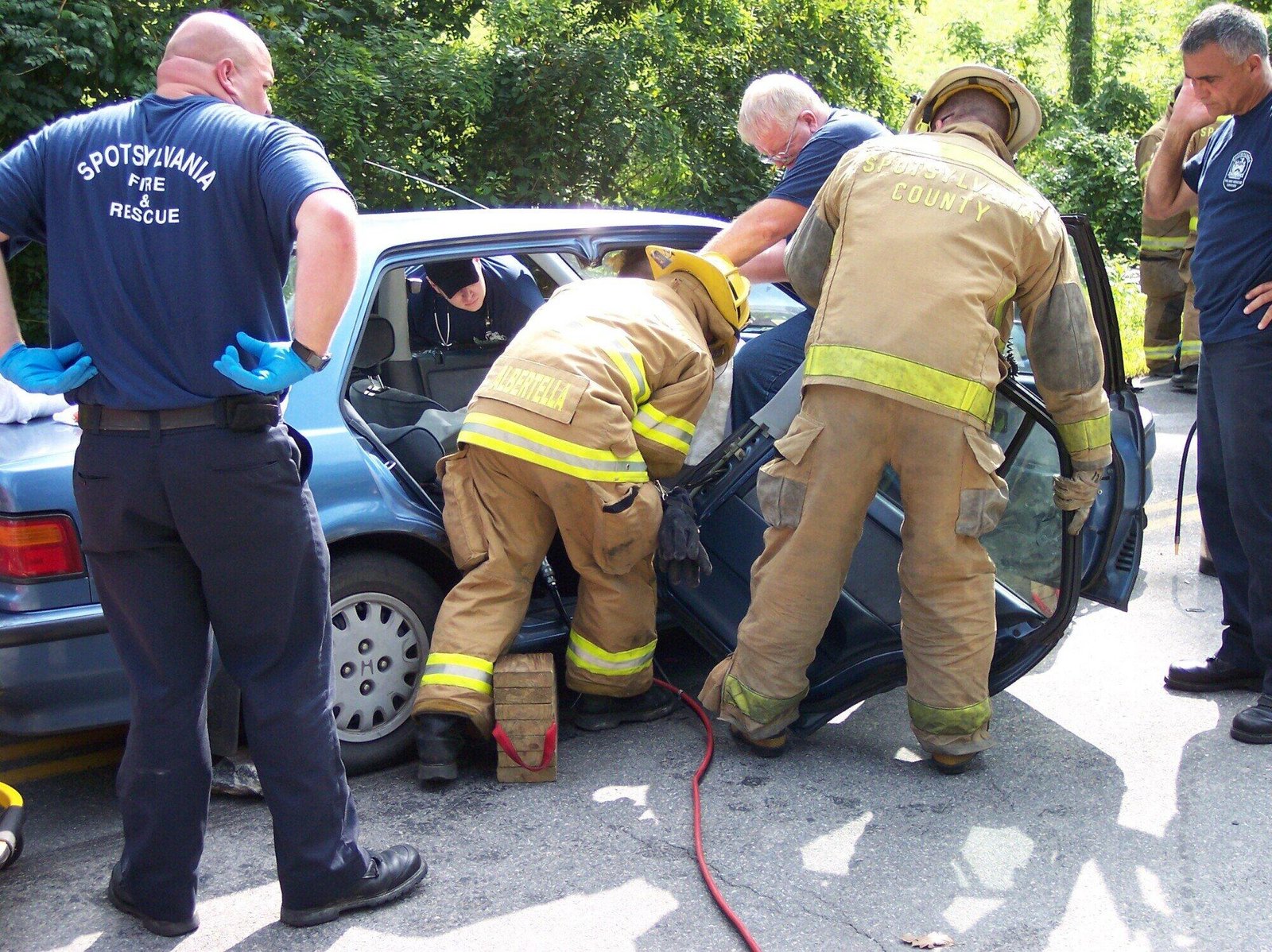
When the word “catastrophic injury” comes up, it usually makes us think of terrible accidents that change lives forever. But what exactly is a catastrophic injury?
These injuries are very severe and often require long-term medical care. They can arise from various situations, and understanding them is important for multiple reasons.
Understanding catastrophic injuries helps us be more prepared and know how they affect us and our loved ones.
What Is a Catastrophic Injury?
A catastrophic injury is a type of injury that has serious, long-lasting effects. People with these injuries can have difficulty doing everyday tasks.
For example, they might struggle with walking, talking, or taking care of themselves. Some injuries can result in permanent disabilities, requiring constant assistance and costly care. There are many types of catastrophic injuries. Below are some common examples:
- Brain Injuries
- Spinal Cord Injuries
- Amputations
- Severe Burns:
- Multiple Fractures
Common Causes of Catastrophic Injuries
Understanding the causes of these injuries helps us know how to avoid them. Here are some common causes of catastrophic injuries:
Motor Vehicle Accidents
Car accidents are one of the leading causes of catastrophic injuries. Every year, thousands of people are hurt or killed in crashes. Some drivers might be reckless, distracted, or even under the influence of alcohol. Always wearing seat belts and following traffic rules can help keep us safer on the road.
Workplace Accidents
Many people work in jobs that can be dangerous, leading to serious injuries. Construction sites, factories, and entertainment venues can have safety risks. Proper training and equipment might prevent these injuries and save lives.
Sports and Recreation
While sports are fun and healthy, they can also lead to injuries. Contact sports like football or hockey can cause concussions or other severe injuries. Using safety gear, like helmets and pads, can help protect players.
Violent Crimes
Sadly, some people experience catastrophic injuries due to violence. This might happen during fights or attacks. Communities need to work together to prevent violence and keep each other safe.
The Impact of Catastrophic Injuries
Living with a catastrophic injury affects not just the injured person but their families as well. Here are some ways these injuries can impact lives:
Physical Effects
People with catastrophic injuries often face ongoing physical challenges, need regular treatment. This can include surgeries, therapy, and medications to manage pain.
Emotional and Psychological Effects
Not only do catastrophic injuries change physical abilities, but they can also impact emotions. Injured individuals may experience depression, anxiety, or frustration related to the loss of independence.
Financial Burdens
The costs of medical care for catastrophic injuries can be huge. In some cases, families may find they need to adjust their lifestyles to afford necessary treatments. Legal support may be needed to help recover costs.
Understanding Your Rights
If you or a loved one experiences a catastrophic injury, it is essential to know your rights. Seeking compensation for medical bills and suffering is vital. A catastrophic injury lawyer can help you navigate the legal process. They can explain your case and advocate on your behalf to ensure you receive fair compensation.
Taking Action
Catastrophic injuries are serious matters that can affect anyone. By understanding what causes these injuries and their potential impacts, we can work together to prevent them.
If you or someone you know is injured, consider seeking help from a catastrophic injury lawyer who can guide you through recovery and help protect your rights. Remember, being informed is one of the best ways to ensure safety for ourselves and our loved ones.
Catastrophic injuries, such as traumatic brain injuries, spinal cord damage, or severe burns, can permanently alter a person’s life. In these situations, working with an experienced catastrophic injury lawyer is critical. They understand the long-term impact of such injuries and can help you pursue the full compensation needed for medical care, lost income, and future support.

Austin sees its fair share of traffic and chaos, and when that chaos leads to injury, the aftermath can be painful in more ways than one. A back injury from a car accident is not always visible, but the pain, medical visits, and stress of missing work are real. These injuries disrupt lives, and trying to manage legal claims on top of recovery only adds to the pressure.
That is where the right help matters. Working with a compensation lawyer for back injuries from car accidents allows you to focus on healing while someone else takes on the fight. A qualified attorney knows how to pursue fair compensation while protecting your long-term financial future.
A spinal cord injury can have life-changing consequences, affecting everything from mobility to independence. In such serious cases, it’s essential to have a skilled spinal cord injury lawyer on your side who understands the medical and legal complexities involved. They can fight for the compensation you need for long-term care, rehabilitation, and future expenses.
What Makes a Back Injury Claim Legitimate?
Every claim needs proof. You need to show that another party was at fault and that the injury resulted in real damages. That includes medical bills, lost income, and changes to your ability to live and work the way you did before the accident. It also consists of the physical and emotional impact of the injury itself.
Medical documentation is a significant part of the process. This means doctor visits, imaging tests, therapy records, and follow-up care are all needed to support your claim. Spinal injuries can have a wide range of long-term effects on physical function and daily life.
What Goes Into Calculating Damages?
Compensation involves more than paying medical bills. Economic damages cover direct costs—surgeries, medications, physical therapy, and lost income from missed work. Non-economic damages, on the other hand, account for pain, suffering, emotional distress, and how your injury changes your everyday life.
For many people, a back injury means giving up things they once did easily. That includes lifting a child, doing a job they love, or sleeping without pain. Attorneys gather details from your doctors and your personal experiences to make sure your whole situation is represented in the claim.
Why does Legal Support matter so Much?
Insurance companies are not on your side. Their goal is to settle quickly and minimize their expenses. Without an attorney, it becomes harder to push back. An experienced back injury attorney understands the long-term complications these injuries can bring. They know how to negotiate with insurers, bring in medical experts, and calculate fair settlements that reflect both current and future costs.
There is also the legal side to manage—filing deadlines, paperwork, legal strategy, and potential court appearances. In Texas, waiting too long to file can disqualify you from receiving any compensation. A knowledgeable attorney keeps everything on track and ensures that your rights are protected.
What does the Process Usually look like?
Most cases follow a standard process:
- Review of evidence and documentation
- A demand letter sent to the insurance company
- Negotiation for a fair settlement
- Filing a lawsuit if necessary
- Discovery and depositions
- Final settlement or trial
The process can take time, and that is where patience and proper guidance are most crucial.
Final Thoughts
Back injuries often become worse with time. Even a mild injury can lead to long-term pain and nerve issues. That is why the outcome of your claim should not be based only on what you are experiencing today.
Working with the right attorney helps protect your future. With someone fighting for what you need, you can concentrate on recovery without losing control of your financial well-being.
-

 Entertainment10 months ago
Explore The Kristen Archives: A Treasure Trove Of Stories & More
-

 Business2 years ago
What is O Farming: How to Make Money Online and Its Start-Up Benefits
-

 Entertainment2 years ago
Sandra Orlow: Exploring the Life and Legacy of a Cultural Icon
-

 Law10 months ago
Protect Your Vehicle with These Smart Motor Insurance Strategies
-

 Technology2 years ago
Geekzilla Radio: Your Portal to the Ultimate Geeky Adventure!
-

 General2 years ago
Baby Alien Fan Bus: Watch Parts 2 & 3 on Twitter, Reddit!
-

 General2 years ago
Diana Nyad & Bart Springtime: A Swim to Success
-

 Fashion2 years ago
DIY Fashion: Customizing Your Black Homecoming Dress for a Personalized Touch