Health
11 Tips for Creating the Perfect Good Nights Routine


Are you tired of tossing and turning at night? Creating the perfect good night’s routine can help you sleep better and wake up refreshed. With just a few simple changes, you can turn your evenings into a peaceful time that prepares you for rest.
Imagine drifting off to sleep easily and waking up feeling energized. A relaxing bedtime routine can make all the difference in your life.
In this guide, we will discuss 11 tips for creating the perfect good nights.
1. Set a Consistent Sleep Schedule
Your body benefits when you go to bed and wake up at the same time. Better sleep is the result of a regular sleep pattern. Seven to nine hours a night is the goal.
Even on weekends, make an effort to go to bed and wake up. Your body recognizes when to sleep and likes routine. Your quality of sleep improves with this constancy.
Adjust your sleep schedule slowly. Move your bedtime by 15 minutes at a time. This will help your body adapt with ease.
2. Create a Sleep-Friendly Environment
Your bedroom should feel calm and relaxed. Keep the room dark, cool, and quiet for the perfect bedtime. Use blackout curtains to block outside light.
Consider a white noise machine to drown out sounds. Make sure your mattress and pillows are comfortable. A cozy environment supports a good night’s sleep.
Remove clutter and distractions from your bedroom. Avoid using your bedroom as an office or gym. This creates a serene space just for rest.
3. Limit Exposure to Screens
Blue light from phones, tablets, and TVs can harm your sleep. Try to keep screens out of the bedroom. Make it a rule to switch off devices an hour before sleep.
Reading a book is a great alternative. It helps you wind down and relax before bed. Choose something light that doesn’t stress you out.
If you need to use your phone, consider using blue light filters. This can help reduce its impact on your sleep. Aim for a calm pre-sleep atmosphere for better sleep.
4. Establish a Relaxation Ritual
Creating a relaxation ritual helps signal bedtime to your mind. Activities could include reading, light stretching, or listening to calming music. Find out what works best for you.
A warm cup of herbal tea can also be soothing. Avoid caffeine and other stimulants in the evening. This allows your body to relax for a good night’s sleep.
Consistency is key, so practice your routine nightly. This helps your body recognize the signs of bedtime. Soon, your brain will prepare for sleep more easily.
5. Incorporate Mindfulness and Meditation
Mindfulness techniques can be great for winding down. They lower stress and help create a calm mind. Spend a few minutes practicing meditation before bed.
Focus on your breath and let go of the day’s worries. You can also try guided meditation or relaxation apps. This self-care can lead to a perfectly good night’s sleep.
A quiet, mindful end to your day can change your night. This practice supports better sleep quality. Explore different techniques to find your favorite.
6. Avoid Stimulants in the Evening
Caffeine and nicotine can disrupt sleep. It’s best to avoid these substances at least four hours before bed. This gives your body time to wind down.
Look out for hidden sources of caffeine. Chocolate, some soft drinks, and teas can have it too. Be mindful of what you consume in the evening.
Replace stimulants with herbal teas or water. Opt for calming beverages that promote relaxation.
7. Eat Light Before Bedtime
Heavy meals can keep you awake at night. It’s better to have a light snack if you are hungry. Choose fruits, yogurt, or nuts for a better choice.
Try to finish eating at least two to three hours before bedtime. This allows your stomach to settle down. A light meal supports the perfect bedtime routine.
Avoid spicy or rich foods that may upset your stomach. This ensures your body is comfortable while you sleep. Eating light can improve the quality of your good nights.
8. Take a Warm Bath or Shower
A warm bath or shower can relax your body before bed. The drop in body temperature post-bath signals your brain it’s bedtime. This can lead to a more restful sleep.
Add calming scents like lavender for extra relaxation. Aromatherapy can enhance your bedtime routine. Take time to enjoy this calming ritual every night.
Baths can also serve as a personal retreat from daily stress. A warm, soothing environment helps ease tension away. Make this relaxing practice a regular part of your night.
9. Practice Gentle Yoga or Stretching
Gentle yoga or stretching can relax your body and mind. It releases tension accumulated throughout the day. Consider a few simple stretches before heading to bed.
These movements can improve flexibility and reduce stress. Focus on your breath while you stretch for added calm.
Even five to ten minutes of yoga can make a big difference. Find online videos and apps for guided sessions. Making this a part of your nighttime routine can aid relaxation.
10. Exploring Effective Snoring Aids
If snoring disrupts your sleep, explore effective aids. There are many options such as nasal strips or mouthpieces. This can help improve airflow and reduce noise.
Creating a peaceful sleep atmosphere benefits everyone in the home. Look into snoring remedies that suit your needs. Finding the best snoring solution for you could change your nights.
Discuss any ongoing issues with your doctor. They can guide you towards lasting solutions. Being proactive about snoring will help achieve better sleep.
11. Limit Naps
Napping during the day can affect nighttime rest. If you must nap, keep it short. A 20-minute nap can refresh you without disrupting your bedtime.
Longer naps can lead to challenges when you want to sleep. They may leave you feeling groggy instead of refreshed. Be mindful of how naps affect your good nights.
Maintaining a regular sleep schedule will be beneficial. Organize your day to resist the need to take naps.
Embrace the Path to Peaceful Good Nights
Creating the perfect routine is key to enjoying good nights. By focusing on relaxation and consistency, you can help your body prepare for sleep. Small changes can lead to big improvements in how you feel each day.
As you adopt these tips, you’ll find it easier to drift off at night. Better sleep means waking up refreshed and ready for a new day. Prioritizing a good night’s routine will transform your evenings into a time of peace and comfort.
Did you find this article helpful? Visit more of our blogs!
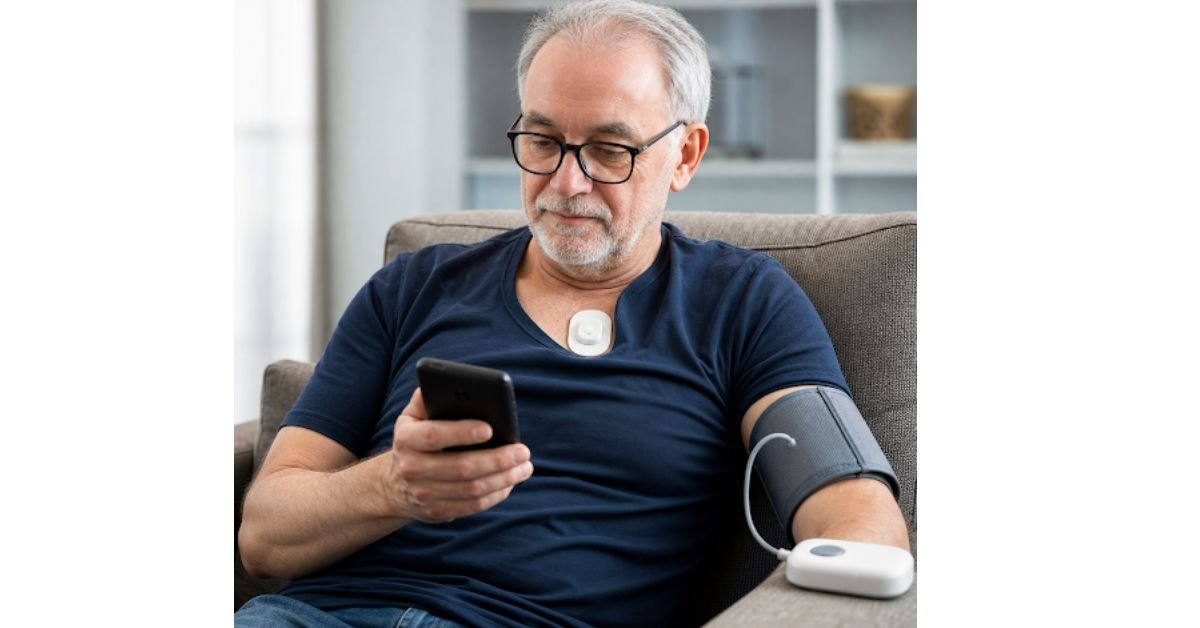
Heart failure remains one of the leading causes of hospital readmission worldwide, placing enormous strain on patients, families, and healthcare systems alike. Yet a quiet revolution is underway — one driven not by new drugs or surgical breakthroughs, but by the power of continuous, real-time data. Remote monitoring technologies, from wearable sensors to implantable hemodynamic devices, are fundamentally changing how clinicians detect deterioration before it becomes a crisis. For the millions living with this chronic condition, earlier intervention means fewer emergency visits, shorter hospital stays, and a measurably better quality of life.
Understanding the Challenge of Decompensation
Heart failure is not a static diagnosis. It is a dynamic, progressive condition in which the heart’s ability to pump blood efficiently fluctuates over time. Patients can appear stable for weeks, then deteriorate rapidly — a process known as decompensation. Fluid accumulates in the lungs and extremities, blood pressure shifts, and cardiac output drops. By the time symptoms become obvious enough for a patient to seek emergency care, the physiological disruption has often been building for days or even weeks.
This lag between biological change and clinical presentation is precisely where remote monitoring offers its greatest value. Traditional care models rely on scheduled outpatient visits and patient-reported symptoms — both of which are inherently reactive. Connected health technologies flip this model, enabling clinicians to observe trends continuously and intervene at the earliest signs of trouble.
The Technology Landscape: From Wearables to Implantable Sensors
Wearable Devices and Smart Scales
At the most accessible end of the spectrum, consumer-grade wearables and connected scales have become foundational tools in heart failure management programs. Daily weight monitoring remains a cornerstone of self-management, since rapid weight gain — often two to three pounds within 24 to 48 hours — signals fluid retention. Smart scales that automatically transmit readings to a care team allow nurses and physicians to respond to concerning trends without waiting for a scheduled call or appointment.
Beyond weight, wearable devices now track heart rate variability, oxygen saturation, respiratory rate, and activity levels. Algorithms trained on large patient datasets can identify subtle patterns that precede decompensation, flagging high-risk individuals for proactive outreach. These tools are particularly valuable for patients in rural or underserved areas where access to specialist care is limited — a dimension of healthcare equity that intersects with broader conversations about equitable access to specialized medical services across different communities.
Implantable Hemodynamic Monitors
For patients with advanced heart failure, implantable sensors represent a more sophisticated and clinically powerful solution. The CardioMEMS HF System, for example, is a small wireless sensor implanted in the pulmonary artery that measures pulmonary artery pressure — one of the earliest and most sensitive indicators of worsening heart failure. Elevated pulmonary artery pressure often precedes overt symptoms by one to two weeks, giving clinicians a critical window to adjust diuretics, modify medications, or schedule an urgent visit before hospitalization becomes necessary.
Clinical trials have demonstrated that pulmonary artery pressure-guided management reduces heart failure hospitalizations by approximately 30 percent compared to standard care. This is not a marginal improvement — it represents a meaningful shift in the natural history of the disease for appropriately selected patients. Implantable cardiac defibrillators and cardiac resynchronization therapy devices also increasingly incorporate remote monitoring capabilities, transmitting daily diagnostics including fluid index measurements, arrhythmia burden, and device performance data directly to clinical teams.
Artificial Intelligence and Predictive Analytics
The raw data generated by remote monitoring devices is only as valuable as the insights derived from it. This is where artificial intelligence and machine learning are beginning to play a transformative role. Predictive models can integrate multiple data streams — weight, heart rate, sleep patterns, activity, medication adherence — to generate individualized risk scores that alert care teams to patients approaching a high-risk threshold.
These systems are not replacing clinical judgment; they are augmenting it. A nurse managing a panel of 200 heart failure patients cannot meaningfully review daily data for every individual. AI-driven dashboards prioritize attention, surfacing the patients who need immediate contact while allowing stable patients to continue their routines with confidence. The result is a more efficient, more responsive care model that scales in ways traditional staffing cannot.
The Role of Patient Education and Engagement
Technology alone does not reduce readmissions. Patient engagement is equally critical. Remote monitoring programs that achieve the best outcomes combine device-generated data with structured patient education, regular nurse-led telephone or video check-ins, and clear action plans that empower patients to recognize warning signs and respond appropriately. When patients understand why they are monitoring their weight daily, what a two-pound overnight gain means, and exactly what steps to take when it occurs, adherence improves dramatically.
Congestive heart failure is a complex, multifactorial condition that demands a similarly multifaceted management approach. Leading cardiac centers recognize that effective remote monitoring programs must be embedded within a broader framework of patient-centered care — one that addresses not only the physiological dimensions of the disease but also the psychological, social, and logistical barriers that prevent patients from fully engaging with their treatment plans.
Preoperative Considerations for Heart Failure Patients
For heart failure patients who require surgical intervention — whether for a cardiac procedure or an unrelated condition — careful preoperative assessment is essential. The hemodynamic instability inherent to decompensated heart failure significantly elevates surgical risk, making optimization of volume status, cardiac function, and medication regimens a priority before any elective procedure. Remote monitoring data collected in the weeks leading up to surgery can provide anesthesiologists and surgical teams with a richer, more accurate picture of a patient’s baseline and trajectory than a single preoperative clinic visit. Understanding what comprehensive preoperative evaluation involves helps patients and families prepare effectively and reduces the likelihood of perioperative complications.
Cleveland Clinic Abu Dhabi: A Center of Excellence in Cardiac Care
Cleveland Clinic Abu Dhabi stands at the forefront of advanced heart failure management in the region, integrating cutting-edge remote monitoring technologies within a comprehensive, multidisciplinary care model. The institution’s Heart and Vascular Institute brings together cardiologists, heart failure specialists, cardiac surgeons, and allied health professionals to deliver individualized care plans that reflect the latest evidence in the field. Patients benefit from access to implantable hemodynamic monitoring, structured remote follow-up programs, and the deep clinical expertise that has made Cleveland Clinic a globally recognized name in cardiovascular medicine. For patients and families navigating the complexities of heart failure, this level of integrated, technology-enabled care represents a meaningful difference in both outcomes and lived experience.
Conclusion: A Smarter Model of Chronic Disease Management
Remote monitoring in heart failure is not a futuristic concept — it is a present-day clinical reality that is already saving lives and reducing the burden of hospitalization for patients around the world. By combining implantable sensors, wearable devices, predictive analytics, and structured patient engagement, healthcare systems can shift from reactive crisis management to proactive, personalized care. The technology is maturing rapidly, the evidence base is strengthening, and the imperative to adopt these approaches has never been clearer. For patients living with heart failure, the promise of catching decompensation earlier — before it becomes an emergency — is not merely a clinical metric. It is the difference between a life defined by hospital admissions and one lived with greater stability, confidence, and hope.

Key Takeaways
- Regular dental cleanings help prevent gum disease, which is linked to various systemic health issues.
- Maintaining oral health can reduce the risk of cardiovascular diseases, diabetes complications, and respiratory infections.
- Professional dental care plays a crucial role in the early detection of potential health issues, thereby contributing to overall wellness.
Maintaining a healthy smile is just the beginning of the benefits of regular dental care. In fact, the impact of teeth cleaning extends well beyond oral hygiene, providing essential support for your overall health and well-being. Preventive dental cleanings effectively reduce the risks associated with gum disease, systemic inflammation, and various chronic conditions, making them a crucial aspect of a comprehensive wellness routine.
Many underestimate the contribution of a simple, consistent habit, such as teeth cleaning, to enhanced immune function and even the early detection of potentially serious health issues. As we uncover the science behind these routine visits, it becomes clear how oral health and total body wellness are intricately connected through daily choices and professional dental support.
Preventing Gum Disease
Gum disease, also known as periodontal disease, is one of the most common threats to both oral and overall health. It often begins with the buildup of plaque and tartar on teeth, leading to inflammation, infection, and eventual damage to gum tissue and bone. Regular dental cleanings are the most reliable way to disrupt this process by removing harmful deposits before gum disease can develop or progress. By keeping your gums healthy, you are also reducing inflammatory stress on the rest of your body, supporting long-term wellness.
Oral Health and Heart Disease
Decades of research have confirmed a significant association between poor oral health and cardiovascular conditions such as heart attacks and strokes. Harmful bacteria from infected gums can enter the bloodstream, promoting inflammation that affects blood vessels and increases plaque buildup in arteries. According to the Centers for Disease Control and Prevention (CDC), inflammation plays a significant role in the development of heart disease, making professional dental care and proper oral hygiene crucial for maintaining heart health.
Diabetes Management
Individuals with diabetes are more susceptible to gum infections, which can, in turn, make it harder to maintain stable blood sugar levels. This creates a cycle where poor oral health negatively impacts diabetes control. According to the National Institute of Dental and Craniofacial Research, maintaining a healthy mouth plays a crucial role in supporting overall well-being, especially for individuals managing chronic conditions such as diabetes. Routine dental cleanings can disrupt this harmful cycle, making blood glucose levels more straightforward to manage and helping prevent additional health complications. As a result, many healthcare providers now consider dental care an essential component of comprehensive diabetes management.
Respiratory Health
Oral bacteria that linger in the mouth can be inhaled into the lungs, potentially leading to or exacerbating respiratory infections such as pneumonia and chronic obstructive pulmonary disease (COPD). This risk is especially significant in older adults and individuals with compromised immune systems. Dental cleanings serve as an effective defense by reducing the bacterial load in the mouth and protecting lung function.
Pregnancy Complications
Hormonal shifts during pregnancy can make the gums more susceptible to inflammation and infection. Pregnant women who develop gum disease are at higher risk for serious complications, including preterm birth and low birth weight. Maintaining regular dental visits and practicing good oral hygiene during pregnancy is crucial to support both maternal health and the well-being of the baby.
Early Detection of Health Issues
Routine dental appointments are not just about cleaning. Dentists and hygienists are trained to spot oral symptoms that may signal larger systemic issues—from early signs of oral cancer and vitamin deficiencies to evidence of autoimmune disorders or osteoporosis. Early detection during a dental cleaning can prompt timely intervention, improving outcomes and giving you a head start on managing health concerns.
Boosting the Immune System
Infections in the mouth, such as untreated periodontal disease, put a constant strain on the immune system. By staying consistent with dental cleanings, you allow your immune defenses to focus on other threats and reduce overall inflammation. This support for immune efficiency is one of the most under-appreciated ways oral health impacts long-term wellness.
Enhancing Mental and Emotional Well-Being
Clean, healthy teeth promote more than just a radiant smile; they contribute to confidence, improved mood, and social comfort. Studies have shown that people who are satisfied with their dental health are more likely to enjoy positive self-image and improved emotional resilience. Regular dental cleanings help lay the foundation for this confidence by ensuring your teeth and gums look and feel their best. From heart health to immunity and pregnancy outcomes, the benefits of routine dental cleanings reach every facet of your well-being. Prioritizing teeth cleaning is one of the most potent yet straightforward steps you can take to support your overall health for years to come.

Most people don’t think much about their feet until they hurt. They’re just there, carrying the weight of the body, getting squashed into shoes, and walking from place to place. But feet are more than just the things that keep you moving. They can actually give little warnings about health problems before other parts of the body do. Paying attention to them can make a big difference, especially if something feels off.
The Connection Between Feet and the Rest of the Body
Feet are packed with bones, muscles, and nerves that all work together to keep balance and support. Because they carry so much weight and stress every day, they’re often the first to show signs when something in the body isn’t right. For example, issues with blood flow, nerves, or even the skin can show up in the feet long before a person realizes there’s a bigger problem.
When something unusual appears—whether it’s pain, swelling, or changes in color—it’s the body’s way of waving a little red flag. That’s why doctors, especially podiatrists, pay close attention to the condition of the feet when looking at someone’s overall health. If problems keep happening, getting them checked by trusted experts, such as Galleria podiatrists perth, can be the smartest step forward.
Swelling: More Than Just Tired Feet
It’s normal for feet to swell a little after standing or walking all day. But when the swelling happens often or comes with pain, it could mean something else is going on. Swollen feet may be linked to circulation problems, where blood isn’t moving back up to the heart as it should. Sometimes it can also be connected to the kidneys or heart, since both play a role in managing fluids in the body.
Even shoes that suddenly feel tight can be an early clue. If the swelling doesn’t go away after rest or happens often, it’s worth checking out.
Cold Toes and Poor Circulation
Feet that always feel cold, even in warm weather, may be a sign of poor blood circulation. Blood carries oxygen and warmth to the tissues, so when circulation slows down, the toes feel chilly. While sometimes this is just from sitting still too long, it can also hint at conditions like peripheral artery disease, where blood flow in the legs becomes narrowed.
It’s one of those things people might brush off as “just how my feet are,” but noticing the pattern can help catch something early.
Tingling or Numbness: A Signal from the Nerves
Pins and needles in the feet every once in a while is usually nothing serious. But when tingling or numbness shows up often, it’s worth paying attention. Nerve problems in the feet are common in people with diabetes, and ignoring the signs can make it worse over time.
Numbness can also make it harder to feel small injuries, which may lead to infections if unnoticed. That’s why nerve signals in the feet are so important—they’re basically messengers letting the body know if something’s wrong.
Changes in Skin and Nails
The skin on the feet is another place where hidden problems can show up. Dry, cracked skin around the heels could just mean the feet need more moisture, but it might also be linked to conditions like eczema.
Toenails can also tell a story. Yellow, thick nails may be a sign of a fungal infection, while nails that look spoon-shaped or unusually pale can point to issues like anemia. Even small things, such as ridges or dents, can sometimes connect back to nutrition or health conditions that need attention.
Pain That Doesn’t Go Away
Almost everyone deals with sore feet at some point, but constant or sharp pain is different. Heel pain, for example, could be from plantar fasciitis, which happens when tissue along the bottom of the foot gets strained. Pain in the arches might mean flat feet are causing extra stress.
When the pain doesn’t go away after rest or gets worse with activity, it shouldn’t be ignored. Feet are not supposed to hurt all the time, and the earlier the cause is found, the easier it usually is to treat.
Balance Problems and Weakness
If walking suddenly feels shaky or there’s trouble standing without wobbling, the feet might be sending another warning sign. Weak muscles or joint issues in the feet and ankles can throw off balance. But sometimes it connects back to nerve problems or even changes in the inner ear.
Falls become more likely when balance is off, which makes it extra important to notice these changes early. Even younger people can have balance problems if the feet aren’t working as they should.
Color Changes That Stand Out
Skin color on the feet is worth noticing too. A bluish or purplish color can mean low oxygen levels in the blood, while very pale feet may suggest poor circulation. Redness could mean an infection or inflammation, especially if it comes with warmth and swelling.
Feet shouldn’t change color for no reason. When they do, it’s usually a signal that something deeper is happening inside the body.
Why Paying Attention Matters
Feet often show small signs before other parts of the body. While not every ache or mark means something serious, ignoring them can let problems grow. By checking the feet regularly, people can pick up on these signs early and get help before things become harder to treat.
Health professionals see feet as windows into overall wellness for a reason. From circulation to nerves to skin, they can reflect what’s happening on the inside.
Key Takeaways
Feet aren’t just tools for walking—they’re important messengers about health. Swelling, numbness, pain, changes in skin or nails, and even shifts in color can all be clues worth noticing. By paying attention to these signs, it’s possible to spot health issues earlier and take action before they get worse.
So, the next time something feels off in your feet, don’t ignore it. A little attention to them today can make a big difference for overall health tomorrow.
-

 Entertainment1 year ago
Explore The Kristen Archives: A Treasure Trove Of Stories & More
-

 Entertainment2 years ago
Sandra Orlow: Exploring the Life and Legacy of a Cultural Icon
-

 Business2 years ago
What is O Farming: How to Make Money Online and Its Start-Up Benefits
-

 Technology2 years ago
Geekzilla Radio: Your Portal to the Ultimate Geeky Adventure!
-

 Law1 year ago
Protect Your Vehicle with These Smart Motor Insurance Strategies
-

 General2 years ago
Baby Alien Fan Bus: Watch Parts 2 & 3 on Twitter, Reddit!
-

 Fashion2 years ago
DIY Fashion: Customizing Your Black Homecoming Dress for a Personalized Touch
-

 General2 years ago
Diana Nyad & Bart Springtime: A Swim to Success