
Real Estate
The Ultimate Guide to Estate Planning: Everything You Need to Know


Estate planning is a crucial step in preparing for the future. It ensures your wishes are honored and helps you secure your loved ones’ future. This process brings peace of mind and clarity to an otherwise uncertain world.
Without estate planning, uncertainty can arise, leaving important matters unresolved. It’s more than financial security; it’s about control and choice. Estate planning empowers you to make key decisions and protect what matters most.
Keep reading for more information about estate planning.
The Role of Wills in Protecting Your Legacy
A will is a vital part of estate planning. It outlines how you want your assets distributed after your death. Having a will ensures your wishes are honored, providing peace of mind for you and your loved ones.
Without a will, your assets may be distributed according to state laws. This can lead to unexpected outcomes, possibly causing family disputes. A will helps clarify your intentions and avoids costly legal battles.
You should regularly review your will. Changes in your family or financial situation may require updates. Keeping your will current is a key part of effective estate planning.
Trusts as Tools for Asset Distribution and Tax Efficiency
Trusts play a key role in estate planning, offering a structured way to manage assets during and after your lifetime. They can reduce taxes and help your beneficiaries avoid the delays and costs of probate. Trusts are a versatile tool for securing your financial legacy.
By creating a trust, you gain control over how and when your assets are distributed. This approach supports asset protection and ensures your wishes are respected. Trusts can be customized to address specific needs and goals.
Consulting a professional can help you explore the best options for your estate. They can guide you in crafting strategies that align with your objectives. Trusts provide valuable opportunities to secure and preserve wealth for future generations.
How to Choose the Right Executor for Your Estate
The executor plays a crucial role in your estate. This person will carry out your wishes as outlined in your will. Choosing the right executor ensures your estate is managed properly and efficiently.
Look for someone you trust, who is organized and responsible. This person should be familiar with your family’s needs and financial situation. Their role involves dealing with legal matters and financial obligations efficiently.
It’s also wise to discuss this decision with your chosen executor. Ensuring they are willing and able to serve is important. Open communication helps avoid surprises later on.
The Legal Essentials of Creating a Power of Attorney
A power of attorney is an important document. It allows you to appoint someone to make decisions on your behalf. This document can be crucial if you become unable to manage your affairs.
There are different types of power of attorney. A general power of attorney allows broad authority, while a durable power of attorney remains in effect during incapacitation. Understand the differences when choosing one for your estate plan.
Establishing a power of attorney is essential for financial management. This document ensures your interests are protected if you cannot act on your own. A well-prepared power of attorney can save your loved ones from confusion and hardship.
Planning for Medical Decisions with an Advance Directive
An advance directive outlines your healthcare preferences. It ensures your wishes are known if you cannot speak for yourself. This legal document helps guide your loved ones during difficult times.
There are two main types of advance directives: living wills and healthcare proxies. A living will specifies your treatment preferences, while a healthcare proxy appoints someone to make decisions on your behalf. Having both offers comprehensive protection.
Discuss your advance directive with your family and healthcare providers. Sharing your wishes ensures everyone knows your preferences. Regularly review and update this document as your situation changes.
Navigating the Tax Implications in Estate Planning
Understanding the tax implications of estate planning is crucial. Different assets may be subject to various taxes after your death. Proper planning can significantly reduce tax liabilities for your heirs.
Estate taxes can quickly diminish the wealth you intend to pass on. Strategies like gifting and using trusts can help reduce these taxes. Consult a wealth management expert to identify potential strategies.
By being proactive with tax planning, you can protect your legacy. Effective planning ensures that more of your wealth can be preserved for future generations. Remember, the goal is to leave your loved ones in a strong financial position.
Strategies to Minimize Probate Costs and Delays
Probate can be a lengthy and costly process. To minimize these issues, consider structuring your estate effectively. Using trusts and keeping assets out of probate can make a significant difference.
Joint ownership of assets is one way to avoid probate. Assets automatically pass to the surviving owner upon death. This allows for faster distribution and can save on legal costs.
Communicate your estate plan with your family. This transparency can help them understand your intentions. Establishing clear expectations can help minimize family disputes during the transition.
Protecting Minor Children Through Guardianship Provisions
If you have minor children, appointing guardians is crucial. This ensures they are cared for according to your wishes if something happens to you. Taking this step provides peace of mind for your family.
Choose guardians who share your values and parenting style. Discuss your choice with them to ensure they are willing to take on this responsibility. Your children’s well-being should be your top priority.
Guardianship provisions should be included in your estate plan. These provisions outline your wishes clearly and can help prevent disputes. Knowing your children will be taken care of provides comfort during uncertain times.
Secure Your Legacy with Estate Planning
Estate planning gives you control over your future and peace of mind for your loved ones. It ensures that your assets are distributed according to your wishes and safeguards what matters most. Taking this step helps protect your legacy and provides clarity in difficult times.
By planning ahead, you can avoid uncertainty and prevent potential disputes. Estate planning empowers you to make key decisions before it’s too late. Begin your journey today and create a lasting impact for generations to come.
For more helpful articles, check out the rest on our website.

Families facing foreclosure or property disputes rarely anticipate how complicated the legal side can become. The rules surrounding real estate law bring unique challenges that require more than a general understanding of contracts. Having a real estate lawyer who knows how to handle foreclosure and ejectment cases can make the difference between losing ground and finding a path forward.
Complex Foreclosure-ejectment Matters
Foreclosure is never simple, but matters involving ejectment raise the stakes further. A homeowner may face losing not only the property but also legal rights tied to occupancy. A real estate attorney with deep knowledge of both foreclosure statutes and ejectment procedures ensures that legal arguments are raised in time to protect clients. This experience helps identify defenses that a less seasoned representative might overlook.
Foreclosure combined with ejectment often involves multiple parties, from lenders to buyers at auction. A real estate lawyer near me can evaluate whether lenders followed proper procedures before trying to remove a homeowner. Legal missteps by banks or investors can turn the tide of the case. Skilled attorneys review records closely to challenge improper filings, incomplete notices, or violations of foreclosure law, giving homeowners a fair chance in court.
Court Actions Seeking to Evict Homeowners Post-Foreclosure Where Strategic Representation Matters
After foreclosure, lenders or new property owners often file actions to evict former homeowners. These lawsuits move quickly, leaving little time for a defense. A knowledgeable real estate lawyer understands that procedural missteps, such as improper service of court papers, can affect the outcome. Strategic representation focuses on slowing the process long enough to present valid defenses.
A real estate attorney near me may also negotiate for additional time, especially if families need space to secure new housing. Judges often consider legal arguments made by experienced lawyers more carefully than those presented by unrepresented defendants. Strong courtroom advocacy can shift the narrative, reminding the court that eviction involves both property rights and human impact.
Disputes Involving Title Transfer Errors During Foreclosures Handled Through Litigation Support
Title transfer errors create headaches for both former owners and new purchasers. A foreclosure may appear complete on paper, but mistakes in documentation can make a deed invalid. Without legal correction, disputes may continue for years, preventing clear ownership.
Real estate attorneys step into these cases to untangle the paperwork. A real estate lawyer near me will investigate whether signatures were missing, deeds were improperly filed, or prior liens were overlooked. With litigation support, courts can correct title problems, ensuring ownership records match legal reality. These cases show how technical missteps in foreclosure ripple into long-lasting conflicts.
Cases Where Negotiation with Lenders Averts Forced Ejectment
Ejectment is not always inevitable. A skilled real estate attorney can negotiate with lenders to reach settlements that keep families in their homes longer or avoid court altogether. Options include payment plans, cash-for-keys agreements, or alternative dispute resolutions that reduce costs for both sides.
A real estate lawyer near me often works directly with lenders to find solutions that benefit all parties. While banks want repayment, they also aim to avoid drawn-out litigation. Experienced attorneys use this leverage to negotiate practical outcomes, buying clients more time or reducing the financial burden of foreclosure.
Situations Involving Short Sales or Reo Closings Tangled with Eviction Challenges
Short sales and Real Estate Owned (REO) transactions frequently overlap with eviction challenges. Buyers of distressed properties often encounter residents still occupying the home, leaving them unsure of their rights. These cases demand a real estate attorney who can balance the interests of both lenders and occupants.
A real estate lawyer near me helps ensure contracts account for ongoing possession issues. Without careful drafting, buyers could end up purchasing a property tied to lengthy eviction proceedings. Legal representation clarifies responsibilities, protecting buyers from costly surprises while ensuring residents are treated lawfully during transitions.
Boundary or Title Issues Complicating Foreclosure Proceedings Requiring Legal Clarity
Foreclosure cases occasionally uncover deeper disputes, such as unclear boundaries or overlapping title claims. These issues complicate already tense situations, requiring courts to resolve more than just repayment disputes. A real estate attorney’s role becomes vital in presenting surveys, deeds, and expert testimony that clarify ownership rights.
Real estate lawyers know that even small property line disagreements can delay foreclosure outcomes. By addressing these issues head-on, an attorney ensures that lenders and homeowners have accurate property definitions. This clarity not only resolves foreclosure matters but also prevents future lawsuits tied to unclear land records.
Foreclosure Defense Cases Intertwined with Landlord-tenant or Lease-to-purchase Agreements
Not all foreclosure defense cases involve traditional homeowners. Tenants and individuals with lease-to-purchase contracts often find themselves caught in the middle when a property goes into foreclosure. These residents may still hold enforceable rights under state landlord-tenant laws, giving them leverage against immediate removal.
A real estate attorney near me can argue that tenants deserve proper notice and sometimes even financial assistance before vacating. By identifying whether a lease survives foreclosure, attorneys protect tenants from unlawful ejectment. This knowledge proves especially important for families relying on lease-to-purchase agreements that lenders or buyers may try to dismiss.
Ejectment Claims Arising After Reverse Mortgage Defaults Needing Knowledgeable Counsel
Reverse mortgages create unique complications in foreclosure law. If a borrower defaults on the terms, lenders often pursue ejectment actions against elderly homeowners or their heirs. These cases carry sensitive circumstances, making the role of a real estate lawyer critical.
An experienced real estate attorney examines whether the lender followed every legal requirement before attempting ejectment. Failure to provide notices or explain repayment options can open the door to defenses. Families often turn to a real estate lawyer near me for guidance, ensuring they understand their rights and options when faced with the difficult prospect of losing a long-time home.
What Drives Property Value in Today’s Market?
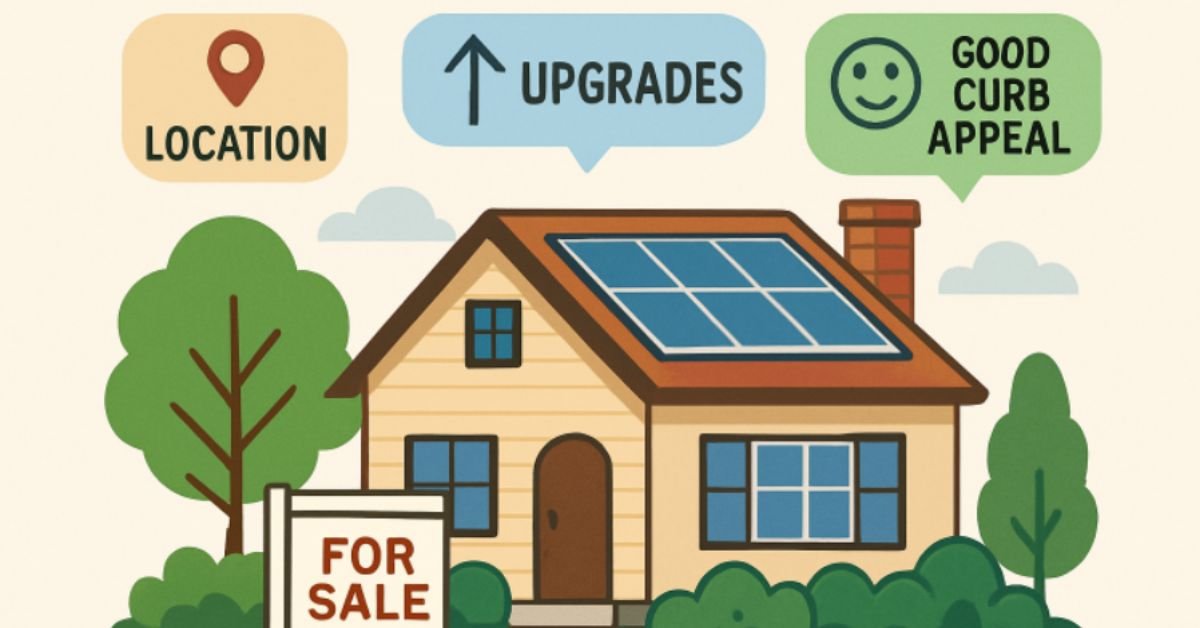
Understanding what determines property value is essential for buyers and sellers striving to make informed decisions in a dynamic real estate market. As housing trends evolve, supply and demand, shifting buyer preferences, and advances in property research technologies play increasingly significant roles. For those navigating these changes, the Bend OR real estate experts Christensen Collective provide local insights and data-driven strategies tailored for today’s buyers and sellers.
The interplay between what buyers seek and the inventory available continues to shape market prices. With remote work and lifestyle changes post-pandemic, home features and locations in demand can shift rapidly. Technology speeds up property searches and intensifies competition, highlighting the need for a robust online presence and accurate property listings.
Location: Why It Still Matters Most
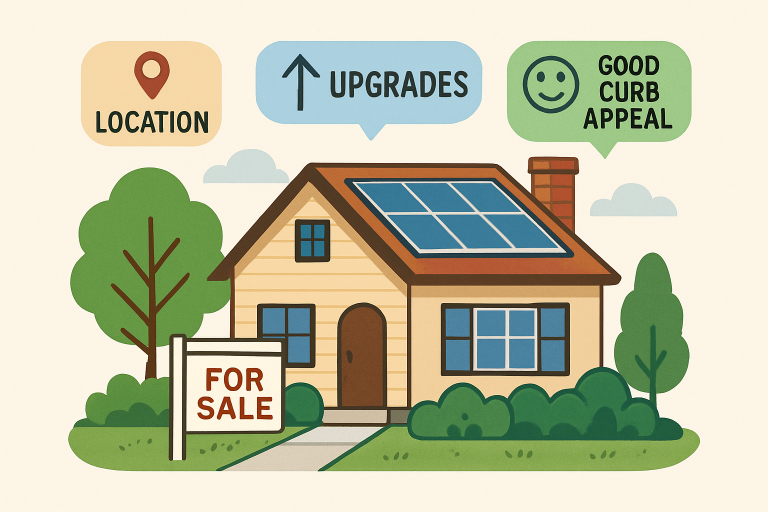
The adage “location, location, location” remains the cornerstone of property valuation. Proximity to reputable schools, public transit, and neighborhood amenities can instantly boost a home’s appeal and value. House hunters consistently place a premium on walkability and access to parks, shopping centers, and dining options.
Upcoming developments or revitalization efforts in a neighborhood often signal increasing values, while areas facing decline may see stagnation or drops in property prices. Location factors are far from static—improvements to infrastructure and new construction can rapidly turn a once-overlooked area into a hot commodity.
Home Upgrades That Pay Off
Not all home upgrades deliver the same return on investment. Renovations in high-traffic areas, particularly kitchens, and bathrooms, tend to boost property value substantially. Modernizing appliances, refreshing cabinetry, and updating fixtures can transform dated interiors and provide buyers with move-in-ready appeal.
Curb appeal remains crucial—simple landscape improvements like fresh sod, manicured shrubs, and vibrant flowers make a powerful first impression. In addition, energy-efficient enhancements, such as upgraded insulation, high-efficiency windows, and solar panels, are gaining traction given rising energy costs and environmental concerns, as detailed by Energy Saver.
Market Timing: When Is the Right Time to Sell or Buy?
Determining the ideal time to enter or exit the market can yield significant financial benefits. Real estate is cyclical, with activity peaking in spring and summer when families prefer to move, and often cooling in late fall and winter. Recognizing a buyer’s or seller’s market is vital—low inventory and high demand favor sellers, while greater supply and moderated prices benefit buyers.
Staying updated on national real estate market news and local reports helps individuals assess current trends and make data-driven decisions about when to buy or sell.
Common Mistakes That Can Hurt Property Value
- Overcustomizing: Unique or overly personalized improvements may limit a property’s appeal to future buyers.
- Neglecting maintenance: Small issues can escalate over time, deterring buyers and requiring costly repairs.
- Ignoring curb appeal: Poor landscaping or exterior neglect diminishes the home’s first impression and perceived value.
- Overlooking structural issues: Problems with the foundation or roof can lead to expensive surprises and potential deal-breakers during inspections.
How Professional Appraisers Assess Value
A professional appraiser uses a comparative market analysis (CMA) to evaluate a property’s worth. This process involves examining recently sold, similar properties within the same neighborhood and factoring in variables such as square footage, condition, and unique features. Recent sales data is critical—outdated comparables can lead to inaccurate valuations.
Appraisers are also bound by legal and ethical disclosure requirements, ensuring that all relevant aspects are thoroughly considered and reported. This objective assessment is essential for setting an accurate listing price and negotiating a fair deal.
External Factors That Affect Value
Property values are not isolated—broader economic and environmental factors influence them. Fluctuations in mortgage interest rates, inflation, and the overall economic cycle can impact what buyers can afford and, consequently, the prices sellers can expect. Local infrastructure projects, such as new highways or public transit lines, may increase accessibility and desirability, while changes in zoning laws can abruptly alter a neighborhood’s character.
Environmental and climate risks, including flood zones and wildfire exposure, are increasingly factored into home valuations. According to a recent New York Times report, these risks may affect insurability and long-term investment potential.
Simple Steps for Buyers and Sellers Looking to Boost Value
- Practical home staging: Decluttering, depersonalizing, and arranging furniture for optimal flow showcase the home’s potential and help buyers visualize themselves in the space.
- Make simple fixes: Minor repairs to leaky faucets, chipped paint, or squeaky doors can boost perceived value at minimal cost.
- Set the right price: Rely on recent sales data and market analysis to competitively price the home from the outset, attracting greater interest and potentially quicker offers.
- Work with professionals: Collaborating with local real estate experts offers access to the latest market data and tailored advice for maximizing property value.
Final Thoughts
A combination of location, strategic upgrades, market timing, and broader economic and environmental factors shapes property value in today’s market. Buyers and sellers can make informed decisions that enhance financial outcomes by understanding these drivers, avoiding common mistakes, and leveraging professional expertise. Staying proactive and attentive to market trends ensures properties are positioned to attract interest, command fair prices, and maintain long-term value. With thoughtful planning and guidance from local experts, navigating today’s dynamic market becomes a confident and strategic endeavor.

Setting Out on Your Real Estate Path
Stepping into real estate investing for the first time is both thrilling and a bit intimidating. Many aspiring investors like James Vosotas dream of building a diverse and profitable portfolio, but the first deal always feels like the biggest leap. It’s important to set realistic goals and decide early what success looks like for you. Some focus on steady rental income, while others seek project-based gains from buying and selling properties.
Research and Due Diligence: Your Investing Toolkit
Thorough research can make or break your first deal. Analyze neighborhood trends, property values, rental rates, and local economic drivers. Reliable information from trusted sources, such as the National Association of Realtors, allows you to make choices based on data rather than guesswork. Equipping yourself with knowledge at this early stage prevents costly mistakes.
Financing Your First Property
Financial preparation is vital. Investors typically have three main routes for funding: personal savings, traditional mortgages, and partnerships. Each comes with risks and advantages. For example, a conventional loan may offer lower rates but require a significant down payment. It’s wise to calculate all potential expenses, including closing costs and future repairs, to avoid surprises later.
Closing the Deal: Turning Plans Into Reality
Finalizing a property purchase is a rewarding moment. The paperwork and negotiations can be a learning curve for first-timers, but understanding what each document means is essential. Get advice from qualified professionals—a detail often overlooked by beginners that can save both time and money. Experienced real estate attorneys and agents provide valuable guidance.
Property Management Essentials
Owning a property is just the beginning. Effective management ensures your investment keeps generating returns. This includes regular maintenance, prompt tenant communication, and budgeting for unexpected repairs. Modern landlords can also benefit from property management software to streamline their workflows and improve tenant satisfaction.
Growing from One to Many: Building Your Portfolio
Once you’re comfortable managing your first property, you may be ready to consider expansion. Seasoned investors diversify by property type and location, balancing risk while maximizing potential returns. Try connecting with experienced investors whose portfolios mirror your own aspirations—many, like those featured, have made the journey from a single property to owning an impressive portfolio.
Staying Informed: Trends and Resources
- Keep up with evolving zoning laws and rental regulations in your target areas.
- Network through workshops, webinars, and online communities for up-to-date advice.
- Track market shifts and stay nimble—successful investors embrace continuous learning.
With information, preparation, and a willingness to learn from both successes and setbacks, anyone can take their first leap towards creating a dream real estate portfolio.
-

 Entertainment10 months ago
Explore The Kristen Archives: A Treasure Trove Of Stories & More
-

 Business2 years ago
What is O Farming: How to Make Money Online and Its Start-Up Benefits
-

 Entertainment2 years ago
Sandra Orlow: Exploring the Life and Legacy of a Cultural Icon
-

 Law10 months ago
Protect Your Vehicle with These Smart Motor Insurance Strategies
-

 Technology2 years ago
Geekzilla Radio: Your Portal to the Ultimate Geeky Adventure!
-

 General2 years ago
Baby Alien Fan Bus: Watch Parts 2 & 3 on Twitter, Reddit!
-

 General2 years ago
Diana Nyad & Bart Springtime: A Swim to Success
-

 Fashion2 years ago
DIY Fashion: Customizing Your Black Homecoming Dress for a Personalized Touch