
Home Decor
Innovative Techniques in Pipeline Maintenance and Integrity


Table of Contents
- Introduction
- Pipeline Maintenance
- The Importance of Reinventing Pipeline Integrity
- Cutting-Edge Pipeline Inspection Tools
- Advances in Pipeline Cleaning Technologies
- The Role of Data Analytics in Pipeline Monitoring
- Green Initiatives in Pipeline Maintenance
- Challenges and Solutions in the Industry
- The Future of Pipeline Maintenance
Introduction
Pipelines are often regarded as the silent workhorses of industrial infrastructure, transporting essential resources such as oil, gas, and water. Maintenance is paramount to ensure operational continuity and safety. Innovative methods like high velocity pipeline pigging have gained prominence as pipelines age. This technique involves using high-speed cleaning pigs to remove debris, ensuring the pipelines remain obstruction-free and function efficiently.
Various environmental incidents have dispelled the common misconception that pipelines are indestructible. Consequently, the emphasis on proactive maintenance through innovative techniques that prevent potential failures before they happen has increased. This narrative is not just about preserving industry profitability but also about safeguarding our environment and communities.
Pipeline Maintenance
Infrastructural pipelines span thousands of miles, often over challenging terrains and climate conditions, emphasizing the need for diligent maintenance. According to On The Pulse News, the strategic value of these activities lies not only in preventing leaks, corrosion, and bursts but also in mitigating the risk of economic losses and ecological disasters. Traditionally, maintenance was largely reactive, addressing issues only as they arose. However, the modern approach is shifting toward a more proactive model, influenced by new technologies and methodologies designed to identify and ameliorate potential threats before they become critical.
The Importance of Reinventing Pipeline Integrity
Reinventing pipeline integrity involves adopting technological advances to maintain safety and efficiency. This is crucial as neglected pipelines can lead to catastrophic consequences. The financial impact of failures should not be understated; however, the environmental repercussions are frequently more severe. For further insights, reference The Role of Pipeline Integrity Management, which highlights the importance of maintaining the structural soundness of these conduits.
Cutting-Edge Pipeline Inspection Tools
The introduction of advanced pipeline inspection technologies has reshaped the industry landscape. Tools like smart pigs, drones, and robotic inspection devices offer detailed insights into the pipeline’s condition, detecting anomalies such as deformations, corrosion, and leaks. These advancements enable accurate and immediate data gathering, thereby decreasing the error margin associated with human evaluations. Introducing these tools demonstrates how technology is enhancing safety, mitigating potential hazards, and extending the operational lifespan of pipelines.
Advances in Pipeline Cleaning Technologies
As cleaning protocols evolve, the focus has shifted to more efficient and eco-friendly methods. Traditional cleaning techniques often relied on chemicals and manual labor; however, newer methods now champion automation and environmental sustainability. Foam pigs, for instance, offer a comprehensive cleaning solution while maintaining the pipeline’s structural integrity. Additionally, biodegradable cleaning agents reduce ecological impact.
The Role of Data Analytics in Pipeline Monitoring
Data analytics is revolutionizing how pipelines are monitored, offering unprecedented insights into their operation. By leveraging IoT devices, operators can gather extensive data that provides a predictive understanding of pipeline health. Analytical tools help identify trends and predict maintenance needs, preemptively mitigating issues before they manifest into major problems. This proactive approach enhances safety margins and optimizes maintenance schedules, ensuring uninterrupted service and reliability.
Green Initiatives in Pipeline Maintenance
The shift toward ecological responsibility is gaining momentum in pipeline maintenance, driven by the necessity to mitigate the environmental impact. Companies invest in green technologies and practices, such as utilizing renewable energy for their operations and incorporating biodegradable materials into their maintenance processes. These efforts reduce the environmental footprint of pipeline activities, aligning with global sustainability goals and societal expectations for responsible corporate conduct.
Challenges and Solutions in the Industry
Despite significant technological advancements, the industry continues to face various challenges, including the complexity of accessing remote geographic areas and responding to the unpredictable nature of climate-related issues. These hurdles require constant adaptation and innovation. As the landscape evolves, so do the solutions designed to address these issues. Technology is essential in driving progress and enabling new approaches to overcome obstacles. Industry leaders are at the forefront, developing solutions tailored to each region’s unique needs and conditions. By leveraging local knowledge and cutting-edge technology, these innovators are finding ways to tackle challenges that once seemed insurmountable, making significant strides toward sustainable and resilient progress.
The Future of Pipeline Maintenance
The future of pipeline maintenance is intrinsically linked to technological progression and environmental stewardship. As the industry continues to innovate, the focus will be on integrating advanced materials, enhancing predictive maintenance capabilities, and adopting more sustainable practices. These changes are expected to improve operational efficiency and foster greater corporate responsibility and environmental stewardship. As stakeholders prioritize these advancements, the trajectory of pipeline maintenance will undoubtedly align with broader trends in globalization, sustainability, and cutting-edge innovation.

Introduction
Selecting the ideal window style for every room isn’t just about aesthetics—it’s also about shaping how your home feels and functions daily. The right windows can transform an ordinary room into a welcoming, bright, and energy-efficient space, providing ventilation, privacy, or a picture-perfect view as needed. With so many available types, making an informed choice matters for comfort and value.
Each area of your home brings unique requirements for window design. From sun-filled living rooms to moisture-prone bathrooms, understanding the strengths of various window styles will help you optimize every space. This guide breaks down the most practical and stylish options for each room, ensuring that your window choices enhance every aspect of your home life.
While windows play a starring role, don’t underestimate the impact of your doors when planning for light, ventilation, and security. Coordinating window and door designs can significantly boost curb appeal and indoor comfort.
Living Room: Maximizing Light and Views
The living room is often the heart of a home and benefits immensely from windows that enhance natural light and provide expansive views. Large, fixed-pane picture windows are popular for creating open, airy spaces that connect seamlessly with the outdoors. Complementary features such as sliding or French doors enhance this connection, allowing easy access to patios, decks, or gardens while maintaining a cohesive indoor-outdoor feel. These windows maximize sunlight and can create a dramatic focal point, especially with a beautiful landscape outside.
Popular Living Room Window Styles
- Picture Windows: Designed with large, unobstructed glass panes, picture windows immerse your living space in daylight and offer panoramic views. They’re perfect for highlighting outdoor scenery or gardens.
- Bay and Bow Windows: Both styles extend outward from the home, adding dimension and cozy nooks for reading or displaying decorative items. The multi-angled bay and bow windows panels invite light from several directions, brightening even the darkest room corners.
Kitchen: Combining Functionality and Ventilation
Kitchens demand window styles that allow steam, smoke, and cooking odors to escape quickly. Ventilation is as important as daylight here, especially for busy families or avid home cooks. Casement windows—with hinges on the side that swing out—are especially practical above sinks or counters, since their crank handles make them easy to open in tight spaces.
- Casement Windows: Optimal for providing effective airflow and spot ventilation, especially where reaching over counters or sinks is necessary.
- Sliding Windows: With their space-saving design, sliding windows glide open horizontally, making them easy to operate and simple to clean.
Bedroom: Ensuring Privacy and Comfort
Bedrooms call for a balance—preserving privacy while welcoming enough morning light to start your day comfortably. Window choice can also support a cozy atmosphere and contribute to energy savings by minimizing thermal loss during the night.
- Double-Hung Windows: Their two-movable-sash design permits controlled ventilation and easy cleaning, making them a mainstay for bedroom spaces.
- Casement Windows with Frosted Glass: Add privacy without sacrificing natural light—an especially good choice for bedrooms that face busy streets or neighbors.
Bathroom: Prioritizing Privacy and Moisture Resistance
In bathrooms, windows need to withstand high humidity and ensure privacy. Awning windows are particularly useful as they open outward from the top, allowing steam to vent even during rainy weather. Using frosted or textured glass further boosts privacy and reduces the need for additional window coverings.
- Awning Windows: These moisture-resistant units perform well in bathrooms, enabling ventilation without compromising weather protection.
- Frosted or Textured Glass Windows: These allow natural light to filter in while obscuring visibility from the outside, promoting a comfortable environment for personal care routines.
Home Office: Enhancing Productivity with Natural Light
Daylight is a proven productivity booster, making your choice of window for a home office important for wellness and focus. Sliding and casement windows permit ample illumination and fresh air, creating an inviting environment for long periods of work or study.
- Sliding Windows: Offering wide glass areas, sliding windows maximize daylight and are efficient in design, making them particularly well-suited to smaller home offices.
- Casement Windows: These provide a large opening for airflow, essential for keeping a work environment fresh and pleasant.
Basement: Brightening and Ensuring Safety
Basements often require special windows for legal egress and infusing a dark, enclosed space with as much daylight as possible. Egress windows are a requirement in finished basements, particularly in bedrooms, as they offer a safe exit in an emergency.
- Egress Windows: Large enough for escape, these windows are crucial for safety and code compliance.
- Slider Windows: When installed at higher locations on the wall, sliders let in natural light and air, making the space feel larger and more welcoming.
Energy Efficiency Considerations
Energy-efficient windows can tremendously impact utility bills and comfort regardless of where they’re placed. Features like low-emissivity (Low-E) coatings reflect unwanted heat, while double or triple glazing with insulated frames can dramatically reduce heat transfer. Investing in these technologies helps maintain a consistent indoor climate all year round.
- Low-E Coatings: Ideal for controlling heat flow through windows in all seasons.
- Double or Triple Glazing: Boosts insulation, reduces noise, and slashes energy consumption over time.
Final Thoughts
Selecting the perfect window style for every room is an investment in daily comfort and long-term home value. By tailoring your choices to each space’s specific requirements—whether you seek sunlight, privacy, airflow, or safety—you’ll create an environment that’s as beautiful as it is functional.


Table of Contents
- Understanding Commercial Kitchen Plumbing Needs
- Regular Inspections and Walkthroughs
- Grease Trap Management
- Drain Maintenance Best Practices
- Water Pressure and Temperature Control
- Addressing Leaks Promptly
- Staff Training for Plumbing Care
- Upgrading Outdated Equipment
- Responding to Plumbing Emergencies
- Eco-Friendly Plumbing Options
- Keeping Your Kitchen Flowing Smoothly
Understanding Commercial Kitchen Plumbing Needs
Commercial kitchens function under more strain and demand than any other type of kitchen environment. Sinks, dishwashers, food prep stations, and sanitation units depend on a robust, well-maintained plumbing system to work smoothly throughout long hours and high-volume meal service. Navigating these unique pressures means prioritizing the specific requirements of kitchen plumbing to avoid costly breakdowns or health code violations. For those seeking professional support, exploring dedicated services for kitchen plumbing Kansas City can provide valuable guidance, tailored maintenance schedules, and essential repairs to keep your operation running efficiently.
Unexpected pipe leaks or a blocked drain can halt kitchen operations faster than any other issue. Knowing the distinct elements of commercial plumbing—from high-capacity grease traps to temperature-regulated water delivery systems—empowers kitchen managers to implement preventive measures and optimize performance.
Regular Inspections and Walkthroughs
Routine inspections can keep minor plumbing problems from turning into major disasters. Establishing a checklist for monthly walkthroughs lets managers and maintenance staff catch small issues early: visible leaks, rust, unusual smells, fluctuating water pressure, and slow-draining sinks. These walkthroughs should cover all accessible pipes, valves, fixtures, and connection points, including under-sink plumbing, water heaters, and drain lines. Facilities can prevent unexpected floods and interruptions that disrupt service and damage property by documenting each inspection and promptly addressing findings.
Grease Trap Management
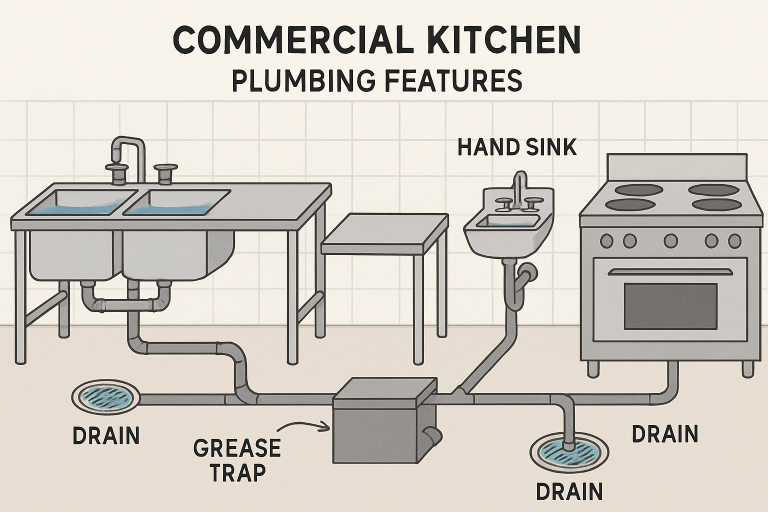
Grease is one of the top contributors to clogs in commercial kitchens. Fats, oils, and grease (FOG) accumulate in pipes, leading to restricted flow, foul odors, and even shutdowns during peak periods. To avoid these issues, schedule regular grease trap cleaning and maintenance—don’t wait until there’s a visible problem. Maintenance logs should be meticulously kept, each cleaning cycle should be recorded, and disposal practices should be tracked according to local regulations. Proper grease management supports compliance with municipal codes and keeps busy kitchens operational year-round.
Drain Maintenance Best Practices
Drains constantly risk clogging from food scraps, debris, and grease. Preventive steps such as using enzyme-based cleaners, pouring boiling water down drains weekly, and installing drain screens are invaluable best practices. Avoid chemical drain openers, which can erode pipes and shorten the lifespan of your plumbing infrastructure. Regularly clear out strainers and remind staff to remove food waste from drains to preserve optimal flow. Making these tasks part of your staff’s regular cleaning routine minimizes emergency calls and extends your plumbing system’s efficiency.
Water Pressure and Temperature Control
An unexpected dip in water pressure or unpredictable hot water can cripple a kitchen’s productivity. Monitoring pressure gauges and temperature settings often ensures that water delivery meets food preparation and cleanup demands. To prevent interruptions, stick to a service schedule for water heaters and boilers, as manufacturers and industry safety guidelines recommend. Fluctuations in temperature could signal a failing heater or limescale buildup. Investing in pressure-regulating valves and temperature monitors reduces risk and long-term maintenance costs.
Addressing Leaks Promptly
No matter how small, every leak wastes water and increases the risk of structural damage. Staff should be trained to recognize even minor drips and quickly isolate and report affected areas. Empowering employees to use shutoff valves in emergencies can prevent widespread flooding and reduce repair costs. Immediate, high-quality repairs are vital to stop the spread of mold, patch water-damaged surfaces, and protect the kitchen’s reputation for cleanliness and hygiene.
Staff Training for Plumbing Care
Effective plumbing maintenance hinges on informed staff. Employees should know what should never go down drains, how to recognize early warning signs of plumbing problems, and basic steps to take in an emergency. Post clear signage near high-use fixtures, and hold regular training sessions to keep kitchen staff updated on best practices for plumbing care. Making plumbing maintenance everyone’s responsibility builds a culture of ownership and ensures smooth operations, even in the busiest shifts.
Upgrading Outdated Equipment
Outdated fixtures, pipes, and appliances increase the likelihood of breakdowns, water waste, and health hazards. Replacing aging components with modern, efficient alternatives boosts reliability and lowers utility bills—savings that add up over time. Prioritize upgrades for high-ticket items like water heaters, rinse stations, and faucets, and look for units with industry-standard certifications for water and energy efficiency. Plan upgrades during offseason periods or scheduled downtimes to minimize disruptions.
Responding to Plumbing Emergencies
A clear emergency response plan is crucial for minimizing damage and loss when issues arise. Map out the locations of all shutoff valves, keep a list of emergency plumbing contacts, and walk staff through each step of the response protocol. Preparedness ensures rapid, confident action if a pipe bursts, a major leak is discovered, or a critical fixture fails. Test your plan regularly and update it as your equipment and layout evolve.
Eco-Friendly Plumbing Options
Commercial kitchens increasingly adopt eco-friendly plumbing solutions to reduce their environmental footprint and control long-term costs. Consider installing low-flow faucets, pre-rinse sprayers, and high-efficiency dishwashers. Advanced systems such as rainwater harvesting and greywater recycling are gaining popularity for their ability to conserve water and reduce utility dependence. Eco-conscious choices appeal to customers and staff, reinforcing your business’s commitment to sustainability.
Keeping Your Kitchen Flowing Smoothly
Consistent maintenance, thorough staff training, strategic equipment upgrades, and a focus on sustainability are key to keeping a commercial kitchen’s plumbing system in top condition. Proactive care prevents unexpected setbacks, protects your investment, and creates a safe, efficient environment for everyone involved. A dedicated approach to plumbing maintenance paves the way for ongoing operational excellence and ensures your commercial kitchen is always ready to serve.
Why Regular Inspection Matters
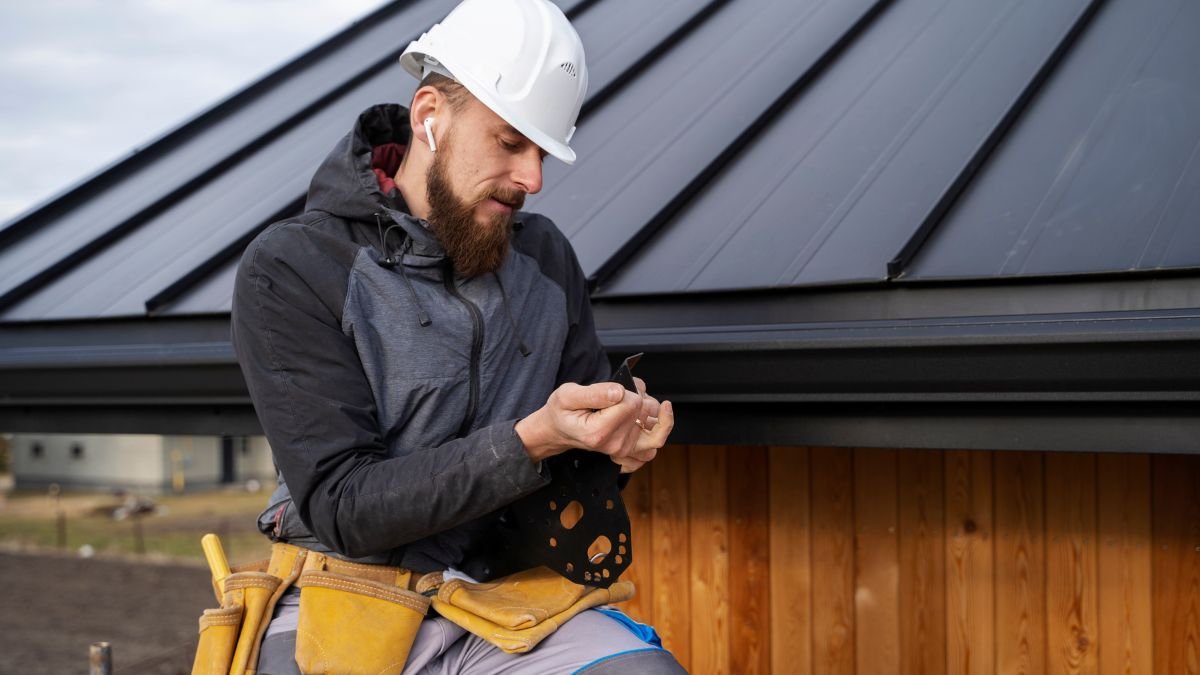
The health and longevity of your roof depend heavily on regular maintenance. Consistent inspections help you stay ahead of costly, disruptive repairs and safeguard your home’s value and your family’s safety. Proactive checks allow you to spot minor problems before they worsen—a philosophy endorsed by roofing professionals across the country. In regions with unpredictable weather, like Houston, roof inspections in Houston are especially critical to manage storm-related wear and tear and ensure your roof’s resilience year-round. Homeowners often underestimate the importance of a routine visual inspection, yet leading organizations in home safety agree that overlooking minor issues can fast-track a roof’s decline. Small leaks or cracks left ignored can lead to structural damage, mold growth, and energy inefficiency, all of which can be prevented with scheduled assessments.
Key Signs of Roof Trouble
Knowing what to look for can save time and money. Obvious indicators, such as missing shingles or visible leaks, are easy to spot. However, subtle red flags like granules collecting in the gutters, warped materials, or sections that appear to sag should never be overlooked. Moss growing on shaded roof portions can signal trapped moisture beneath the surface—a breeding ground for rot and deterioration. For a complete list of trouble signs and expert guidance, refer to the advice from the National Roofing Contractors Association. Gutter blockages, water stains on your attic ceiling, and fluctuating indoor temperature can indicate roof issues. If you notice any of these symptoms, act promptly to prevent them from spiraling into more serious damage, which could require extensive repairs or premature roof replacement.
Tools and Supplies for DIY Checks
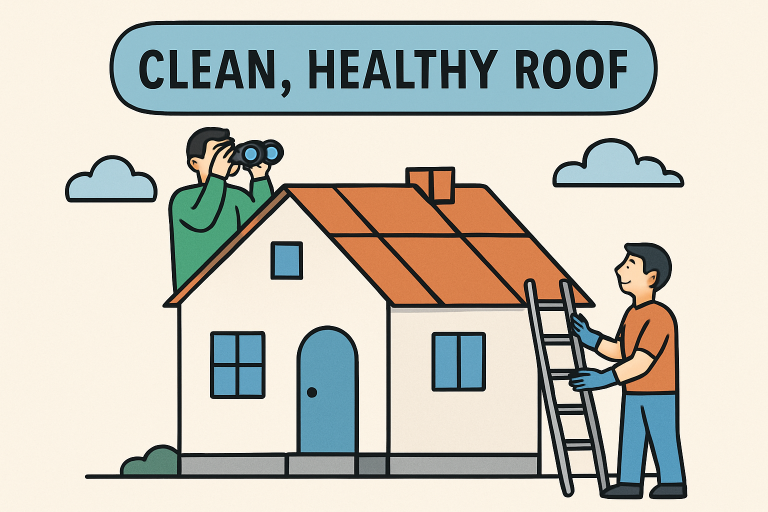
- Binoculars for inspecting from ground level
- Sturdy ladder with slip-resistant feet
- Work gloves and rubber-soled shoes
- Notebook or smartphone for documentation
These supplies ensure safety and effectiveness during routine roof assessments. Remember to prioritize safety, and never climb onto your roof if it’s damp, icy, or steeply pitched.
Routine Tasks to Extend Your Roof’s Life
Simple, regular chores can significantly increase your roof’s lifespan. Clear your gutters at least twice a year, ideally after the spring pollen drop and when leaves have fallen in late autumn. Removing debris from valleys and drainage points prevents water buildup and ice dams, both frequent culprits of water damage. Trim back branches that overhang your roof to reduce the risk of impact damage and minimize the spread of moss and algae due to shade. Don’t overlook your attic—proper insulation and ventilation keep your roof at an even temperature, reducing the risk of ice dams in colder climates and warping in heat-prone environments. Consistency in these tasks can lead to substantial long-term savings and help your roof reach or exceed its expected service life.
How Weather Affects Your Roof
The elements test your roof’s durability year-round. Thunderstorms, hail, and hurricanes can strip away shingles, while snow and ice place extra weight and moisture on your roof. Frequent freezing and thawing cycles can also cause materials to expand and contract, leading to cracks and loosened fasteners. After any significant weather event, inspect for missing, cracked, or curling shingles; check the attic for new water stains or leaks; and ensure that flashing around chimneys and vents is secure.
When to Bring in the Pros
While most homeowners can handle regular maintenance, certain situations call for professional expertise. If your roof is steep or multiple stories high or if you observe concerning symptoms like significant sagging or widespread shingle damage, it’s time to hire a certified contractor. Qualified pros have the training and tools to safely perform in-depth inspections and repairs. Generally, scheduling a professional inspection every few years helps guarantee no hidden damage is present, especially after storms or following an aging roof’s milestones.
Common Myths About Roof Maintenance
- “If it’s not leaking, it’s fine.” This misconception can lead to costly surprises, as many problems develop out of sight and only become apparent after significant damage.
- “New roofs don’t need checks.” Even recently installed roofs can develop issues due to poor installation, extreme weather, or shifting materials from home settling.
- “DIY repairs save money.” Inadequate repairs often lead to more expensive fixes later, mainly if they mask rather than solve underlying problems.
Replacing these myths with informed habits supports smarter, safer home maintenance decisions and adds years to the life of your investment.
Future Trends in Roof Care
The roofing industry is embracing innovation to make maintenance safer and more effective. Innovative sensor technologies are emerging, allowing real-time roof moisture and structural integrity monitoring without intrusive inspections. Drones enable easier, faster, and safer assessments of hard-to-reach areas, while eco-friendly materials such as cool roofs and recycled shingles reduce environmental impact and energy costs. These advancements will soon be commonplace, leading to even longer-lasting, efficient, and sustainable roofing solutions.
Conclusion
Roof maintenance is more than an occasional chore—it’s a proactive investment in your home’s safety, efficiency, and value. Combining routine inspections, timely upkeep, and professional guidance, homeowners can prevent minor issues from escalating into costly repairs. Dispelling common myths and staying informed about emerging technologies ensures your approach remains effective and future-ready. With consistent care, your roof won’t just endure the elements—it will protect your home and family for years.
-

 Entertainment10 months ago
Explore The Kristen Archives: A Treasure Trove Of Stories & More
-

 Business2 years ago
What is O Farming: How to Make Money Online and Its Start-Up Benefits
-

 Entertainment2 years ago
Sandra Orlow: Exploring the Life and Legacy of a Cultural Icon
-

 Law10 months ago
Protect Your Vehicle with These Smart Motor Insurance Strategies
-

 Technology2 years ago
Geekzilla Radio: Your Portal to the Ultimate Geeky Adventure!
-

 General2 years ago
Baby Alien Fan Bus: Watch Parts 2 & 3 on Twitter, Reddit!
-

 General2 years ago
Diana Nyad & Bart Springtime: A Swim to Success
-

 Fashion2 years ago
DIY Fashion: Customizing Your Black Homecoming Dress for a Personalized Touch