
Business
How Accurate Project Budgeting Can Boost Your Construction Business


Identifying an accurate construction project cost can make or break the construction business due to the vulnerability of the costs. By getting Electrical Takeoff Services, project managers can get very accurate measurements and estimates that form the basis of the overall costs. However, proper budgeting goes beyond the scenario presented by these detailed takeoffs. But to achieve success, one has to know the project scope, build a precise cost estimate, incorporate some risk margin, handle cash flow, and monitor progress during the build.
Get a Clear Vision of What the Project Will Entail
To make a good construction project budget a first and essential step could be taken through defining the project scope. This means outlining in detail what work will and will not be included, such as:
- Square footage of the build
- Number of floors
- The kind of materials currently in use
- The overall layout of the project including the architectural design plan
- Any site work required
- Permitting needs
A clear scope fixes what must be budgeted – this implies that in case there are additional resources beyond what you agreed to budget, they are not part of the project. It also offers a checklist for checks and balances between the client and the builder if have any disputes or differ on specific deliverables. Pricing and performing a budget over a vaguely conceived plan or scope will cause some items to be left out and the final cost to be much higher.
Conduct Appropriate Research on Real Building Costs
Once again, the objectives that have been outlined in the definition of a project provide builders with the kind of project scope that makes it possible to forecast the correct cost of construction. This calls for some research that captures the most current costs of materials and labor in the particular market zone. By far, the largest and one of the most critical line aspects in any construction budget is the actual construction cost.
Some best practices around estimating build costs include:
- Inviting vendors to tender for quotes on the materials
- Examining market data of current bids for subcontractors within the region
- Combining Commercial Estimating Services in detail take-offs
- Keep some room for contingencies so that the plan addresses possible situations that are not included in the original plan, but can appear later.
However, hiring a new estimator who at least can comprehend the total amount of work that is required helps a lot in preparing the correct budget. They have an insight into how to include all possible costs in the estimate with the hope of no additional costs when the construction is in progress.
Include Overhead and Profit in Consideration
The second principle is that the projection of the costs when developing a construction project should comprise the real construction cost, operational overhead, cost of financing, and the profit margin. For instance, excellent construction business managers consciously assess these indirect costs to incorporate them into their business expenses, and the cost quotes in their business projects.
Overhead accounts for expenses like:
- Office space and utilities
- Equipment costs
- Insurance
- Accounting and legal fees
In the meantime, financing costs refer to any interest on a loan that is required to be paid. And profit margin measures what the business requires to make on the job to remain sustainable.
Acceptable overhead and profit rates must be set and also should not be compromised for the achievement of growth and profit objectives on all projects. These costs should be expressed in terms of a percentage of total direct costs.
Build in Contingencies
It is for this reason that even when a lawyer has prepared a detailed upfront estimate of the amount of money required to accomplish the objective in question, matters on job sites are never as smooth as planned. Modifications could occur, the subcontractors may bid high, or work could be done slowly. This is why every project should be planned and budgets developed with contingency funds factored in.
It ranges between 10-20% of the total construction cost depending on the complexity of the industry, according to norms. Hence for instance using the $1 million build cost value, $100k-$200k should be expected to be set aside for circumstances that may occur later. Not all of this has to be set aside, but enough of it should be to be able to handle change orders when they occur without compromising on the profit margin.
Managing and tracking contingency funds is thus then required during the construction phase
Minimise Risk in Cash Flow
Some construction projects involve the use of a lot of construction materials and labor before the contractor recovers his / her expenses from the client. This means that construction business people need to plan their financials in a way that they do not spend a lot of money on financing or take a lot of time waiting for the invoices to be cleared.
Both the budget and timelines of a project should indicate when resource expenditures based on cash flow will take place during project implementation. In turn business loans or lines of credit can offer necessary capital in the interim. Nevertheless, one must avoid stretching the period between the payment of expenses and collection of amounts due from clients to a bare minimum as a way of keeping cash flows healthy.
Functionality to Provide Tracking Against the Approached Budget for the Whole Span of the Project
Last but not least, performing and comparing budgeted cost and actual cost is a crucial immeuble de base within construction. This makes it easy to realize when there is a material or form difference and rectify this before too much time has been lost.
With the right software, the ability to detail costs to be able to track them, and set expectations for all documentation from subcontractors, is helpful in budget management. They also should make weekly or monthly budget check-ins. There are certainly many occasions where waiting until final accounting to compare actuals to budget is a costly mistake.
Using Drywall Takeoff Services that have disciplined, accurate project budgeting methods that factor in all expense factors or components puts construction businesses in a vantage place to execute successful profitable business construction projects. Examples of successful green marketing ask projects to come out good for customers while promising big for the builder’s balance sheets. Focusing, therefore, on budget correctness then continues as one of the significant baseline construction project management discrete factors.
Conclusion
Project costing is an elaborate process that is a core factor in the construction business and the focus of this paper. One has to set a work description, find out rates of pay currently that are accurate, incorporate overheads and margins that are necessary, incorporate a contingency plan, develop a cash flow plan, and check frequently against the budget. Firms that give the necessary attention to detailed budgeting benefit from the same in the long run once they build the reputation of efficient execution of projects on time with costs. When trying to be as accurate as possible in the construction of a build budget and consistently tracking construction costs based on the guidelines for budget creation mentioned above, construction businesses are sure to move from strength to strength for years to come.


When it comes to running a business, there are countless factors that demand your attention: from operations and marketing to customer service and financial management. Amidst all of these concerns, one thing is non-negotiable—protecting your business from potential risks. That’s where Top-Tier Business Liability Insurance Providers comes in. It serves as your safety net in case things go wrong, shielding your company from the financial burden of legal claims or accidents.
However, not all business liability insurance providers are created equal. With so many options out there, choosing the right one for your business can feel like a daunting task. You need a provider who understands your industry, offers solid coverage, and is reliable when you need them the most.
we’ll guide you through everything you need to know about the top-tier business liability insurance providers. We’ll help you understand what makes a good provider, what types of liability coverage are available, and how to choose the best insurance plan for your specific needs. Whether you’re a small startup or a large corporation, this guide will equip you with the knowledge you need to make an informed decision.
TRENDING
Maximizing Your Investment: A Guide To Purchase Structured Settlements
Why Do You Need Business Liability Insurance?
Before we dive into the best providers, let’s quickly cover why business liability insurance is essential.
Protection Against Legal Claims: Lawsuits are a common risk for businesses, especially when you’re dealing with customers, vendors, or employees. Business liability insurance can cover the costs associated with defending your company against legal action, as well as any settlements or damages awarded.
Financial Security: Without liability insurance, your business could be exposed to huge financial risks. Legal fees, medical expenses, and other liabilities can quickly drain your resources and potentially put you out of business. A good insurance policy helps mitigate these risks, allowing you to focus on growth.
Peace of Mind: Running a business comes with enough stress without having to worry about the unexpected. With proper liability insurance, you’ll have peace of mind knowing that you’re protected from most unforeseen circumstances.
Now that we’ve covered the importance of business liability insurance, let’s explore what makes a top-tier provider.
Key Features To Look For In A Business Liability Insurance Provider
Not all insurance providers offer the same level of service. Here are a few key characteristics to look for when choosing a business liability insurance provider:
Comprehensive Coverage Options
A good provider will offer a range of coverage options that you can tailor to your business’s needs. This might include general liability, professional liability, product liability, and more. The more options available, the better equipped you’ll be to protect your business from a variety of risks.
Industry Expertise
Different industries face different risks. For example, a tech startup may need coverage for data breaches, while a construction company might need protection against accidents on job sites. Choose an insurance provider that understands your industry’s unique challenges and can offer specialized coverage.
Customer Service and Support
When the unexpected happens, you want an insurance provider that’s easy to reach and responsive to your needs. Look for a provider with a reputation for excellent customer service and support, including a user-friendly claims process.
Financial Stability
You need an insurance company that’s financially stable and capable of fulfilling its obligations when you need them the most. Check the provider’s ratings from agencies like AM Best or Standard & Poor’s to assess their financial strength.
Competitive Pricing
While you don’t want to compromise on coverage, you also don’t want to overpay for insurance. A top-tier provider should offer a balance of quality coverage at competitive rates. Make sure to shop around and compare quotes to get the best deal for your business.
Flexible Payment Plans
A good insurance provider will offer flexible payment options, allowing you to pay monthly, quarterly, or annually. This flexibility can help ease cash flow concerns and make budgeting for your insurance coverage easier.
Top-Tier Business Liability Insurance Providers
Let’s now take a closer look at some of the leading business liability insurance providers. These companies are known for their reliability, comprehensive coverage options, and excellent customer service.
The Hartford
The Hartford is one of the most well-known insurance providers in the United States. It offers a wide range of business liability insurance policies, including general liability, professional liability, and product liability coverage. The company is particularly popular among small to medium-sized businesses and has received high marks for customer satisfaction.
Key Features:
- Industry-specific coverage options (e.g., for contractors, healthcare professionals, and retail businesses)
- 24/7 claims support
- A strong reputation for excellent customer service
Why Choose The Hartford?
The Hartford is a great choice for small businesses looking for comprehensive liability coverage and exceptional customer service. The company has been around for over 200 years, making it a trusted name in the industry.
Progressive Commercial
Progressive is another top-tier provider known for offering a wide range of business liability insurance options, including general liability, workers’ compensation, and commercial auto insurance. Progressive’s business insurance policies are highly customizable, allowing businesses to tailor coverage to their specific needs.
Key Features:
- Easy online quoting system
- Customizable coverage options
- Discounts for bundling multiple policies
Why Choose Progressive?
Progressive stands out for its flexibility and competitive pricing. They offer a quick and straightforward online quoting system, making it easy to get started with your business liability insurance.
Hiscox
Hiscox is a global insurance provider that specializes in small business insurance. They offer a variety of liability insurance policies, including professional liability, general liability, and cyber liability insurance. Hiscox is known for its tailored coverage options and fast claims processing.
Key Features:
- Tailored coverage for niche industries (e.g., tech startups, consulting firms)
- Quick online application process
- Excellent claims support
Why Choose Hiscox?
Hiscox is an ideal choice for small businesses and startups, especially those in niche industries that require specialized liability coverage. They are also known for their quick and efficient claims process.
State Farm
State Farm is a household name when it comes to insurance, offering both personal and business insurance coverage. Their business liability insurance options include general liability, professional liability, and property insurance. State Farm is particularly well-regarded for its local agents, making it a great choice if you prefer face-to-face customer service.
Key Features:
- Local agents for personalized service
- Wide range of business insurance options
- Discounts for bundling policies
Why Choose State Farm?
State Farm’s local agents are a huge draw for businesses that want personalized service and advice. They offer comprehensive insurance options and a trusted reputation in the industry.
Chubb
Chubb is a global insurance provider known for offering high-end business insurance solutions. Their liability insurance options are broad and include general liability, professional liability, and commercial umbrella insurance. Chubb is a particularly good option for larger businesses or those with complex insurance needs.
Key Features:
- High coverage limits for larger businesses
- Global reach and expertise
- Excellent claims handling
Why Choose Chubb?
Chubb is an excellent choice for large businesses that need extensive coverage and have complex liability risks. The company’s global presence and financial stability make it a reliable choice for companies of all sizes.
Nationwide
Nationwide is another top-tier provider offering a variety of business insurance options, including general liability, workers’ compensation, and business property insurance. They offer flexible plans and are known for their customizable policies.
Key Features:
- Flexible and customizable policies
- 24/7 claims support
- Wide network of agents for personalized service
Why Choose Nationwide?
Nationwide is a strong contender for businesses looking for flexible coverage options and strong customer support. Their wide network of agents ensures that businesses can get personalized advice and assistance.
How To Choose The Right Business Liability Insurance Provider
Now that you know the top-tier providers, how do you choose the one that’s best for your business? Here are a few tips to help you make an informed decision:
Assess Your Business’s Needs
Start by evaluating your business’s specific needs. What type of risks does your business face? Are you in a high-risk industry? The more you understand your risks, the easier it will be to choose the right coverage.
Get Multiple Quotes
Don’t settle for the first insurance quote you receive. Shop around and get multiple quotes from different providers. This will help you compare prices, coverage options, and customer service.
Check Reviews and Ratings
Look for reviews and ratings from other business owners who have used the insurance provider. Websites like Trustpilot, Better Business Bureau, and Consumer Affairs can offer valuable insights into the provider’s reputation.
Consult with an Insurance Broker
If you’re still unsure, consider consulting with an insurance broker. A broker can help you navigate the different options and find a policy that best suits your needs.
Conclusion
Choosing the right business liability insurance provider is one of the most important decisions you’ll make for your company. The right coverage can protect you from financial risks, help you manage legal claims, and give you the peace of mind to focus on growing your business.
Top-tier providers like The Hartford, Progressive, Hiscox, State Farm, Chubb, and Nationwide offer a variety of coverage options to suit businesses of all sizes and industries. By evaluating your specific needs, getting multiple quotes, and reading customer reviews, you’ll be well on your way to selecting the best provider for your business.
Don’t leave the future of your business to chance—ensure you’re covered with the right business liability insurance.
ALSO READ: Mesothelioma Attorney Specialized Make The Difference
FAQs
What is business liability insurance?
Business liability insurance protects your company from financial loss in the event of a lawsuit or legal claim. It covers expenses related to legal defense, settlements, and damages.
Do I need business liability insurance if I’m a freelancer?
Yes, even freelancers need business liability insurance. It can protect you from claims related to mistakes or negligence in your work, as well as from accidents that occur while on the job.
How much does business liability insurance cost?
The cost of business liability insurance varies based on factors like the size of your business, industry, location, and coverage needs. On average, small businesses can expect to pay between $400 and $1,500 per year.
Can I change my coverage as my business grows?
Yes, most insurance providers allow you to adjust your coverage as your business grows. It’s a good idea to review your insurance policy annually to ensure it still meets your needs.
What’s the difference between general liability and professional liability insurance?
General liability insurance covers accidents, injuries, or property damage that occur on your business premises or during your operations. Professional liability insurance, on the other hand, covers mistakes or negligence in the services you provide.

Agencies in today’s competitive digital landscape are constantly looking for new ways to deliver results and meet their clients’ changing needs. Partnering with specialized SEO providers is becoming a popular way to achieve this. These partnerships allow agencies to expand their offerings, tap into advanced tactics, and improve client satisfaction without straining their internal teams. By doing so, agencies can provide a full range of SEO services, from technical audits to content strategies, while focusing on their core operations. Selecting the right partnerships is crucial for growth and building client trust in a crowded market. Unlike growing in-house, partnerships provide agility and on-demand expertise, supporting both short-term performance and long-term growth. They help agencies stay on top of trends, boost relevance, and deepen client relationships. As search algorithms change and client expectations increase, forming the right partnerships allows agencies to proactively tackle issues, protect their reputation, and maximize portfolio value.
Understanding Collaborative SEO Partnerships
Collaborative SEO partnerships focus on combining the strengths of multiple professionals or teams to achieve stronger digital visibility. Instead of working in isolation, businesses benefit from shared expertise, coordinated strategies, and streamlined execution. This approach ensures content, technical adjustments, and link-building efforts align toward common goals. Organizations can tap into specialized knowledge by partnering with experienced groups such as Longtail Dragon while maintaining flexibility in their marketing efforts. Collaboration creates a more holistic SEO strategy, where every element works together to drive sustainable growth and long-term online success.
Benefits of SEO Partnerships for Agencies
- Access to Specialized Expertise: By partnering with SEO professionals, agencies gain direct access to the latest tools, strategies, and deep insights that might otherwise be out of reach. These experts stay on top of algorithm changes and emerging trends, providing agencies with a critical competitive edge.
- Scalability: Agencies can quickly scale offerings to match client demand without the overhead costs or time required to hire and train new staff. This flexibility supports business growth and helps agencies manage fluctuating project volumes efficiently.
- Enhanced Service Offerings: Collaborations with SEO partners allow agencies to present a more robust, full-service digital marketing solution. Clients appreciate the convenience and confidence that comes from dealing with a single, trusted provider for multiple needs.
- Increased Revenue Streams: By expanding services, agencies unlock new revenue sources. These mutually beneficial arrangements create opportunities for upselling and cross-selling, strengthening long-term partnerships with clients.
Key Components of Successful SEO Collaborations
Clear Communication
Constant and open communication between the agency and the partner is crucial. Both parties should be aligned on project goals, processes, and client expectations to prevent misunderstandings and deliver a unified experience for clients.
Defined Roles and Responsibilities
Formalizing the division of labor avoids overlap and confusion. Defining who manages reporting, strategy discussions, client-facing deliverables, and technical execution keeps projects running smoothly and ensures accountability on both sides.
Shared Metrics and KPIs
Agreeing upon measurable key performance indicators (KPIs) provides a clear definition of success and lets both parties track progress objectively. Common SEO KPIs include keyword rankings, organic traffic growth, backlink quality, and conversion rates.
Regular Performance Reviews
Routine evaluations help agencies and partners identify what’s working and what needs adjustment. These check-ins foster an environment of improvement and innovation, which is critical for staying ahead in the dynamic world of SEO.
Challenges and Considerations in SEO Partnerships
- Alignment of Values: Successful partnerships require both parties to share similar operational values and ethical standards. Mismatched expectations or business philosophies can result in friction or diminished quality.
- Quality Control: Agencies must maintain rigorous quality assurance processes to ensure all deliverables reflect positively on their brand. This includes regular audits, standardized deliverables, and close collaboration on campaign execution.
- Data Security: With client data entrusted to multiple teams, agencies must implement robust security protocols and vet partners for compliance with privacy regulations and industry best practices.
- Adaptability: The SEO landscape is always evolving. Agencies and partners should remain agile, ready to pivot strategies and adopt new tools as search engines update their algorithms and user behavior shifts.
Conclusion
Collaborative SEO partnerships have emerged as a strategic avenue for agencies wishing to thrive in the ever-changing digital ecosystem. By building relationships with seasoned SEO experts, agencies can increase client satisfaction, drive operational efficiency, and unlock new growth avenues. Choosing the right partners, communicating effectively, and working together to deliver top-notch quality are key to getting the most out of these partnerships over the long term. As the need for integrated, high-performance digital marketing grows stronger, agencies that collaborate are well-placed to take the lead and drive innovation.
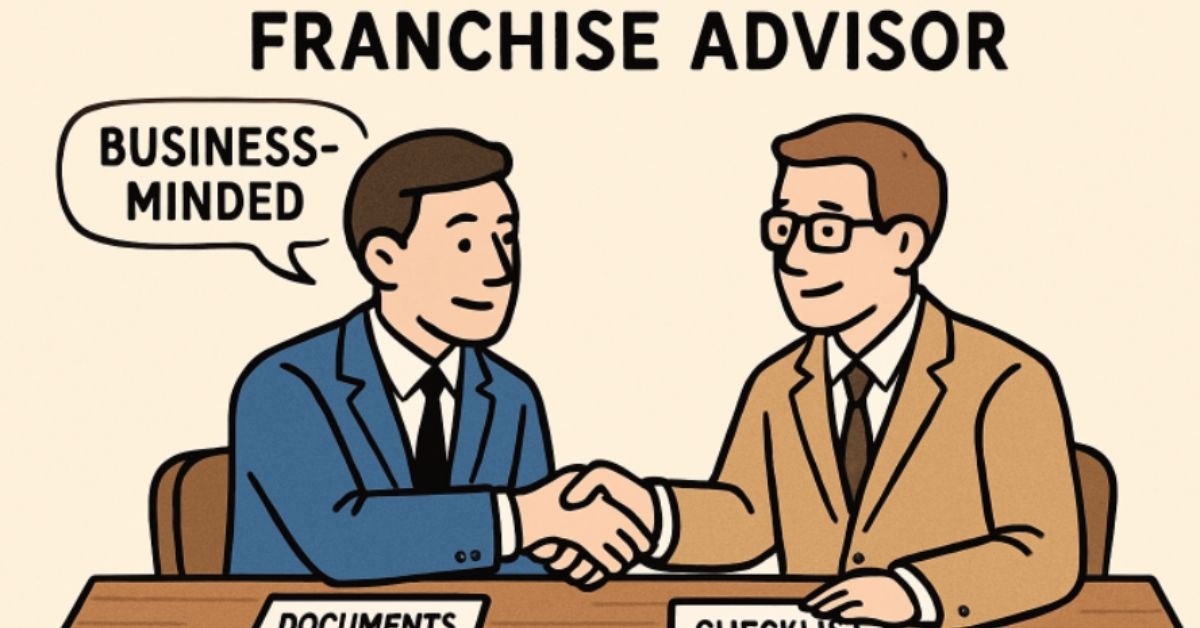
Why Consider Franchising?
Franchising offers aspiring business owners a proven route into entrepreneurship with reduced risk and access to established business systems. According to Forbes, franchises remain a preferred choice for individuals seeking support, scalability, and trusted brand recognition when launching their own ventures. Whether you’re shifting careers, seeking supplemental income, or searching for a life-changing opportunity, the franchise model can provide both entrepreneurial freedom and strong guidance.
One of the lowest-risk ways to start is through a franchising free consultation. This step connects you with experts who assess your background, interests, and business goals, helping you find a franchise fit without upfront fees or obligations. Getting started with professional advice ensures you’re making informed decisions every step of the way.
What to Expect from a Free Franchise Consultation
A franchising free consultation delivers valuable, customized information about the franchise landscape. Typically, an advisor spends time understanding your skills, desired investment level, preferred industries, and lifestyle objectives. Unlike a sales call, these sessions are educational, focusing on exploring viable franchise models, clarifying required investments, and answering your unique questions. The primary aim is to empower you with preparation and knowledge, so you can determine if franchising fits your ambitions and resources.
An initial consultation typically includes guidance on key franchising documents, insight into legal considerations, and an overview of current trends affecting the franchise sector. This foundational knowledge is essential for anyone making such a significant career move, whether you’re considering food service, home-based franchises, or niche markets.
Speaking with a franchise advisor can open up opportunities you might not have considered on your own. Access to an advisor’s network and market knowledge accelerates your learning curve, allowing you to focus on franchises that align best with your personal and financial criteria.

Key Benefits of Speaking with a Franchise Advisor
- Personalized franchise recommendations based on your background, goals, and passions.
- Detailed explanations of franchise models—clarifying which businesses require hands-on management versus semi-absentee ownership.
- Guided analysis of Franchise Disclosure Documents (FDDs) to help you understand obligations and rights before signing any contracts.
- Reduction in research time thanks to the advisor’s insight into franchise brand reputations, investment requirements, and earning potential.
A recent industry survey reveals that 89% of new franchisees felt better prepared for ownership after consulting with a franchise advisor. The confidence and clarity gained from expert advice often lead to better long-term satisfaction and business performance.
Common Questions Asked in Franchise Consultations
What Key Concerns Should Be Discussed?
Every franchise candidate brings different questions to the table, but some of the most common include:
- What is the average required investment for this franchise?
- What are the typical royalty and ongoing fees?
- How is franchisee training delivered, and what ongoing support is available?
- What are the earnings potential and success rates in this sector?
- What sets this particular franchise apart from its competitors?
Advisors help you navigate each of these topics and encourage preparing a question list in advance for more productive discussions. To stay up-to-date with the latest industry developments and common franchise FAQs, many potential franchisees reference sources like Franchising.com.
The Role of Research in Franchise Decisions
In-depth research is crucial before investing in any franchise. Start with a careful review of the brand’s FDD, examine your target market, and assess the competition. Consider market demand and industry longevity—step beyond the franchisor’s promotional materials by reading third-party reviews, connecting with current franchisees, and referencing reputable business publications like Inc.. This multi-faceted approach delivers the most accurate view of potential risks and returns.
Potential Pitfalls and How to Avoid Them
Pitfall 1: Insufficient Due Diligence
Failing to dig deeply into a franchisor’s background can result in misaligned expectations or financial surprises. Always research the brand’s history, earnings claims, litigation records, and franchisee satisfaction reports before committing.
Pitfall 2: Underestimating Costs
Some new owners misjudge the initial investment required, including royalty payments, marketing costs, and ongoing expenses. Accurate cost forecasting and honest assessments of your available capital—guided by a franchise advisor—are essential for long-term sustainability.
Pitfall 3: Misreading the Franchise Agreement
Franchise agreements are complex legal documents. Consult with a franchise attorney and a financial professional to dissect all terms and obligations. A careful approach can help avoid costly misunderstandings or legal disputes down the road.
Moving Forward: Next Steps After Your Consultation
- Review all information, notes, and materials from your consultation.
- Reach out to current franchisees to gain firsthand insights on day-to-day operations.
- Schedule time with a franchise-specific attorney or accountant for an independent review.
- Weigh multiple franchise opportunities based on your unique criteria, not just advice from others.
- Allow for reflection and thoughtful deliberation before making any commitments.
A franchising free consultation is the critical first step on your franchising journey—ensuring you move forward with thorough research, unbiased support, and confidence. Through due diligence, expert guidance, and a healthy dose of entrepreneurial drive, franchising can unlock significant personal and financial rewards.
-

 Entertainment10 months ago
Explore The Kristen Archives: A Treasure Trove Of Stories & More
-

 Business2 years ago
What is O Farming: How to Make Money Online and Its Start-Up Benefits
-

 Entertainment2 years ago
Sandra Orlow: Exploring the Life and Legacy of a Cultural Icon
-

 Law10 months ago
Protect Your Vehicle with These Smart Motor Insurance Strategies
-

 Technology2 years ago
Geekzilla Radio: Your Portal to the Ultimate Geeky Adventure!
-

 General2 years ago
Baby Alien Fan Bus: Watch Parts 2 & 3 on Twitter, Reddit!
-

 General2 years ago
Diana Nyad & Bart Springtime: A Swim to Success
-

 Fashion2 years ago
DIY Fashion: Customizing Your Black Homecoming Dress for a Personalized Touch