
Health
Eye-Healthy Diet Tips to Support Seniors’ Vision Naturally

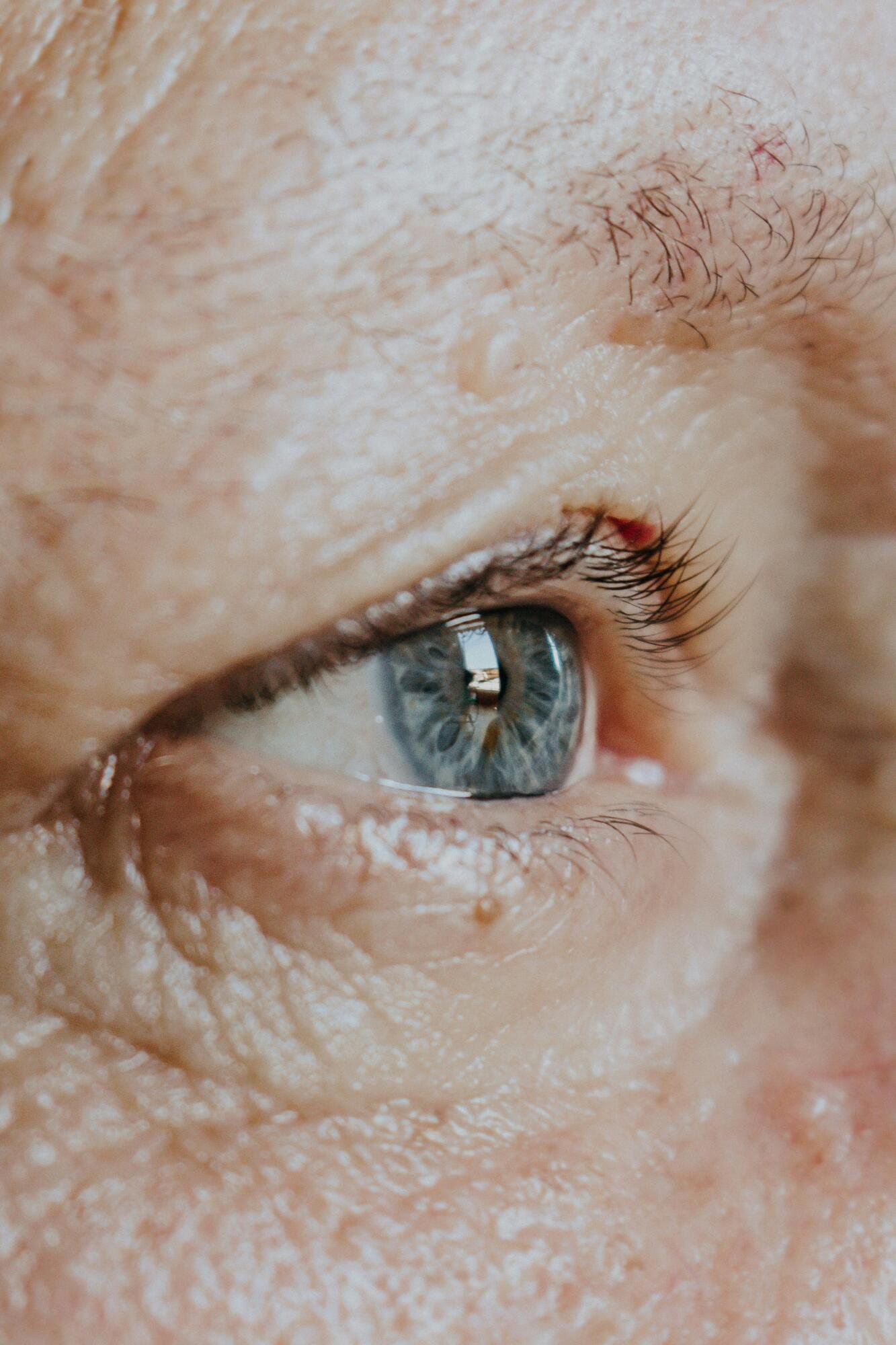
Do your eyes feel more tired than they used to before?
As people get older, their eyesight can slowly start to change. Some foods may help keep your eyes strong and clear over time. Eating the right meals each day might give your seniors’ vision the care it needs.
If you’re looking for simple ways to help your eyes stay sharp, there are helpful tips you can follow. Keep reading to learn more.
Eat More Leafy Greens
Some greens can do more than help your body stay strong and active. They also help your eyes get the care they need as you age.
When your plate has more leafy greens, your eyes may feel less tired. These greens can help keep your vision clear, even as the years go by. It’s a simple change that makes a big difference over time.
Many people find that eating them often brings some comfort to their eyes. Try adding more greens every few days to build a steady habit.
Choose Bright-Colored Fruits
Bright fruits can bring more than color to your plate. They can also support your eyes as you grow older. Some people find their vision feels sharper when they eat these fruits often.
The colors are a sign that these fruits hold things your eyes might need. If you enjoy a sweet bite now and then, these fruits can give you that and more.
Over time, your eyes might feel less strained with these foods in your meals. Try adding a few to your week and see how it goes.
Add Omega-3 Foods
Some foods help more than others when it comes to caring for your eyes. Foods with omega-3 can support your vision steadily and gently.
Many older adults find these helpful, especially when added to meals a few times a week. If you want to feel better about your eyesight, this small step may help.
It’s one part of smart eating that many people can follow with ease. For more tips, you can look into trusted sources that share eye health diet advice for seniors.
Limit Sugary Snacks
Too much sugar in your meals can make your body feel tired and slow. Over time, it can also make it harder for your eyes to stay sharp.
Cutting back on sweet snacks could help your vision feel less strained. Some people notice small changes after eating less sugar each day.
It might take a while to feel the difference, so give it some time. Try reaching for other snacks when cravings show up. Your eyes might feel clearer and less dry with fewer sugary treats.
Stay Hydrated Daily
Drinking enough water each day can make a big difference for your eyes. When your body gets the water it needs, your eyes may feel less dry. Some people find that staying hydrated also helps reduce blurry vision at times.
It doesn’t take much to build a habit of drinking more water. Keep a glass nearby and sip from it during the day. Little by little, your eyes may feel fresher and more comfortable.
Support Seniors’ Vision With These Diet Tips
Keeping your eyes healthy becomes more important as you grow older. Small changes each day can help protect your seniors’ vision. It does not have to feel hard or confusing.
The food you eat can play a big part in how your eyes feel. So take time to care for them now. Your future self will be glad you did.


Key Takeaways
- Regular dental cleanings help prevent gum disease, which is linked to various systemic health issues.
- Maintaining oral health can reduce the risk of cardiovascular diseases, diabetes complications, and respiratory infections.
- Professional dental care plays a crucial role in the early detection of potential health issues, thereby contributing to overall wellness.
Maintaining a healthy smile is just the beginning of the benefits of regular dental care. In fact, the impact of teeth cleaning extends well beyond oral hygiene, providing essential support for your overall health and well-being. Preventive dental cleanings effectively reduce the risks associated with gum disease, systemic inflammation, and various chronic conditions, making them a crucial aspect of a comprehensive wellness routine.
Many underestimate the contribution of a simple, consistent habit, such as teeth cleaning, to enhanced immune function and even the early detection of potentially serious health issues. As we uncover the science behind these routine visits, it becomes clear how oral health and total body wellness are intricately connected through daily choices and professional dental support.
Preventing Gum Disease
Gum disease, also known as periodontal disease, is one of the most common threats to both oral and overall health. It often begins with the buildup of plaque and tartar on teeth, leading to inflammation, infection, and eventual damage to gum tissue and bone. Regular dental cleanings are the most reliable way to disrupt this process by removing harmful deposits before gum disease can develop or progress. By keeping your gums healthy, you are also reducing inflammatory stress on the rest of your body, supporting long-term wellness.
Oral Health and Heart Disease
Decades of research have confirmed a significant association between poor oral health and cardiovascular conditions such as heart attacks and strokes. Harmful bacteria from infected gums can enter the bloodstream, promoting inflammation that affects blood vessels and increases plaque buildup in arteries. According to the Centers for Disease Control and Prevention (CDC), inflammation plays a significant role in the development of heart disease, making professional dental care and proper oral hygiene crucial for maintaining heart health.
Diabetes Management
Individuals with diabetes are more susceptible to gum infections, which can, in turn, make it harder to maintain stable blood sugar levels. This creates a cycle where poor oral health negatively impacts diabetes control. According to the National Institute of Dental and Craniofacial Research, maintaining a healthy mouth plays a crucial role in supporting overall well-being, especially for individuals managing chronic conditions such as diabetes. Routine dental cleanings can disrupt this harmful cycle, making blood glucose levels more straightforward to manage and helping prevent additional health complications. As a result, many healthcare providers now consider dental care an essential component of comprehensive diabetes management.
Respiratory Health
Oral bacteria that linger in the mouth can be inhaled into the lungs, potentially leading to or exacerbating respiratory infections such as pneumonia and chronic obstructive pulmonary disease (COPD). This risk is especially significant in older adults and individuals with compromised immune systems. Dental cleanings serve as an effective defense by reducing the bacterial load in the mouth and protecting lung function.
Pregnancy Complications
Hormonal shifts during pregnancy can make the gums more susceptible to inflammation and infection. Pregnant women who develop gum disease are at higher risk for serious complications, including preterm birth and low birth weight. Maintaining regular dental visits and practicing good oral hygiene during pregnancy is crucial to support both maternal health and the well-being of the baby.
Early Detection of Health Issues
Routine dental appointments are not just about cleaning. Dentists and hygienists are trained to spot oral symptoms that may signal larger systemic issues—from early signs of oral cancer and vitamin deficiencies to evidence of autoimmune disorders or osteoporosis. Early detection during a dental cleaning can prompt timely intervention, improving outcomes and giving you a head start on managing health concerns.
Boosting the Immune System
Infections in the mouth, such as untreated periodontal disease, put a constant strain on the immune system. By staying consistent with dental cleanings, you allow your immune defenses to focus on other threats and reduce overall inflammation. This support for immune efficiency is one of the most under-appreciated ways oral health impacts long-term wellness.
Enhancing Mental and Emotional Well-Being
Clean, healthy teeth promote more than just a radiant smile; they contribute to confidence, improved mood, and social comfort. Studies have shown that people who are satisfied with their dental health are more likely to enjoy positive self-image and improved emotional resilience. Regular dental cleanings help lay the foundation for this confidence by ensuring your teeth and gums look and feel their best. From heart health to immunity and pregnancy outcomes, the benefits of routine dental cleanings reach every facet of your well-being. Prioritizing teeth cleaning is one of the most potent yet straightforward steps you can take to support your overall health for years to come.

Most people don’t think much about their feet until they hurt. They’re just there, carrying the weight of the body, getting squashed into shoes, and walking from place to place. But feet are more than just the things that keep you moving. They can actually give little warnings about health problems before other parts of the body do. Paying attention to them can make a big difference, especially if something feels off.
The Connection Between Feet and the Rest of the Body
Feet are packed with bones, muscles, and nerves that all work together to keep balance and support. Because they carry so much weight and stress every day, they’re often the first to show signs when something in the body isn’t right. For example, issues with blood flow, nerves, or even the skin can show up in the feet long before a person realizes there’s a bigger problem.
When something unusual appears—whether it’s pain, swelling, or changes in color—it’s the body’s way of waving a little red flag. That’s why doctors, especially podiatrists, pay close attention to the condition of the feet when looking at someone’s overall health. If problems keep happening, getting them checked by trusted experts, such as Galleria podiatrists perth, can be the smartest step forward.
Swelling: More Than Just Tired Feet
It’s normal for feet to swell a little after standing or walking all day. But when the swelling happens often or comes with pain, it could mean something else is going on. Swollen feet may be linked to circulation problems, where blood isn’t moving back up to the heart as it should. Sometimes it can also be connected to the kidneys or heart, since both play a role in managing fluids in the body.
Even shoes that suddenly feel tight can be an early clue. If the swelling doesn’t go away after rest or happens often, it’s worth checking out.
Cold Toes and Poor Circulation
Feet that always feel cold, even in warm weather, may be a sign of poor blood circulation. Blood carries oxygen and warmth to the tissues, so when circulation slows down, the toes feel chilly. While sometimes this is just from sitting still too long, it can also hint at conditions like peripheral artery disease, where blood flow in the legs becomes narrowed.
It’s one of those things people might brush off as “just how my feet are,” but noticing the pattern can help catch something early.
Tingling or Numbness: A Signal from the Nerves
Pins and needles in the feet every once in a while is usually nothing serious. But when tingling or numbness shows up often, it’s worth paying attention. Nerve problems in the feet are common in people with diabetes, and ignoring the signs can make it worse over time.
Numbness can also make it harder to feel small injuries, which may lead to infections if unnoticed. That’s why nerve signals in the feet are so important—they’re basically messengers letting the body know if something’s wrong.
Changes in Skin and Nails
The skin on the feet is another place where hidden problems can show up. Dry, cracked skin around the heels could just mean the feet need more moisture, but it might also be linked to conditions like eczema.
Toenails can also tell a story. Yellow, thick nails may be a sign of a fungal infection, while nails that look spoon-shaped or unusually pale can point to issues like anemia. Even small things, such as ridges or dents, can sometimes connect back to nutrition or health conditions that need attention.
Pain That Doesn’t Go Away
Almost everyone deals with sore feet at some point, but constant or sharp pain is different. Heel pain, for example, could be from plantar fasciitis, which happens when tissue along the bottom of the foot gets strained. Pain in the arches might mean flat feet are causing extra stress.
When the pain doesn’t go away after rest or gets worse with activity, it shouldn’t be ignored. Feet are not supposed to hurt all the time, and the earlier the cause is found, the easier it usually is to treat.
Balance Problems and Weakness
If walking suddenly feels shaky or there’s trouble standing without wobbling, the feet might be sending another warning sign. Weak muscles or joint issues in the feet and ankles can throw off balance. But sometimes it connects back to nerve problems or even changes in the inner ear.
Falls become more likely when balance is off, which makes it extra important to notice these changes early. Even younger people can have balance problems if the feet aren’t working as they should.
Color Changes That Stand Out
Skin color on the feet is worth noticing too. A bluish or purplish color can mean low oxygen levels in the blood, while very pale feet may suggest poor circulation. Redness could mean an infection or inflammation, especially if it comes with warmth and swelling.
Feet shouldn’t change color for no reason. When they do, it’s usually a signal that something deeper is happening inside the body.
Why Paying Attention Matters
Feet often show small signs before other parts of the body. While not every ache or mark means something serious, ignoring them can let problems grow. By checking the feet regularly, people can pick up on these signs early and get help before things become harder to treat.
Health professionals see feet as windows into overall wellness for a reason. From circulation to nerves to skin, they can reflect what’s happening on the inside.
Key Takeaways
Feet aren’t just tools for walking—they’re important messengers about health. Swelling, numbness, pain, changes in skin or nails, and even shifts in color can all be clues worth noticing. By paying attention to these signs, it’s possible to spot health issues earlier and take action before they get worse.
So, the next time something feels off in your feet, don’t ignore it. A little attention to them today can make a big difference for overall health tomorrow.

Abortion clinics play a vital role in ensuring that people have access to comprehensive, safe reproductive health care. These clinics serve as essential points of contact, providing individuals with the opportunity to make informed decisions about their health and future. By providing an array of services in a supportive and regulated environment, clinics uphold the fundamental right to choose what is best for one’s body.
If you’re searching for an abortion clinics near Ft. Lauderdale, you can find local, professional services that center on dignity, safety, and medical best practices. The broader context surrounding abortion clinics is based on the principles of reproductive rights and personal autonomy. Such clinics not only provide direct medical care but also empower patients by giving them the tools, resources, and guidance needed to make choices with confidence.
Core Services Typically Provided
Most abortion clinics offer both medical and surgical abortion options, tailored to the stage of pregnancy and the patient’s health circumstances. A medical abortion usually involves prescribed medication taken to end a pregnancy within the first trimester. Surgical abortion, a minor medical procedure, is typically performed by experienced clinicians in a secure, clinical environment. Both options are designed with evidence-based protocols to maximize safety and minimize complications.
In addition to abortion procedures, clinics often provide a spectrum of reproductive health services. This includes contraceptive counseling and distribution, STI screenings and treatment, and pre- and post-abortion counseling. These comprehensive services help patients safeguard their health, prevent unwanted pregnancies, and navigate their reproductive options with clarity and support.
Addressing Stigma and Providing Support
Abortion clinics do more than offer medical procedures—they serve as havens for those facing tough decisions or dealing with stigma. Staffed by professionals who are attuned to emotional and mental well-being, clinics offer counseling and support throughout the process. By addressing individual needs and concerns, these clinics promote overall patient health and help mitigate feelings of isolation.
Education is a cornerstone of their mission, actively working to combat stigma and correct common misconceptions about abortion. Many clinics conduct outreach and publish accessible, fact-based information that helps to reshape public discourse and support informed decision-making.
Community Impact and Outreach
The influence of abortion clinics stretches well beyond individual patients. Clinics often host educational seminars, distribute health resources, and collaborate with community organizations to reach underserved populations. These efforts address broader social determinants of health and create pathways for lasting positive change.
Marginalized and vulnerable populations—who may face disproportionate barriers to care—are also supported through targeted outreach, sliding scale services, and partnerships with advocacy groups. This helps ensure that equity remains a core value in reproductive health care delivery.
Safety, Quality, and Professional Standards
Clinics are subject to rigorous protocols and oversight to guarantee patient safety and high standards of care. From licensing requirements to regular inspections, these facilities must adhere to state and federal guidelines. Health professionals at clinics are highly trained, with many staff members possessing specialized certifications in reproductive health services.
The Path Ahead: Evolving Needs and Continued Access
As health care needs, technologies, and laws continue to evolve, so too must the services offered by abortion clinics. Future challenges may include adapting to rapid legal changes, integrating new medical advancements, and identifying ways to close persistent care gaps for marginalized communities. Advocating for continued access and ongoing dialogue will remain essential as the landscape of reproductive health continues to evolve. Ensuring that all individuals—regardless of background or circumstance—have access to safe, compassionate, and professional reproductive health services is a core component of community well-being. Upholding clinics’ ability to operate in accordance with current medical standards and patient-centered care principles will continue to shape a future where personal autonomy and health are respected and protected.
Safeguarding Choice and Access in Reproductive Health
Access to abortion clinics ultimately reflects more than just the availability of medical procedures—it represents a commitment to safety, dignity, and informed choice in reproductive health. These clinics offer comprehensive care that extends beyond treatment, encompassing emotional support, education, and community outreach, while ensuring that services are delivered with professionalism and compassion. As healthcare and social landscapes continue to shift, the role of abortion clinics remains vital in protecting personal autonomy and advancing equity in care, ensuring that individuals can make the decisions best suited to their lives and futures.
-

 Entertainment10 months ago
Explore The Kristen Archives: A Treasure Trove Of Stories & More
-

 Business2 years ago
What is O Farming: How to Make Money Online and Its Start-Up Benefits
-

 Entertainment2 years ago
Sandra Orlow: Exploring the Life and Legacy of a Cultural Icon
-

 Law10 months ago
Protect Your Vehicle with These Smart Motor Insurance Strategies
-

 General2 years ago
Baby Alien Fan Bus: Watch Parts 2 & 3 on Twitter, Reddit!
-

 Technology2 years ago
Geekzilla Radio: Your Portal to the Ultimate Geeky Adventure!
-

 General2 years ago
Diana Nyad & Bart Springtime: A Swim to Success
-

 Business2 years ago
Tex9.Net Crypto: Fast, Secure International Money Transfers with Competitive Rates