
Food & Drink
Damasco: Discover The Heart Of Syrian Flavor And Heritage

Damasco, or Damascus, is not just the capital of Syria; it is the very heart and soul of Syrian heritage, culture, and cuisine. With a history that spans over 4,000 years, Damascus is one of the oldest continuously inhabited cities in the world. This ancient city is known for its historical landmarks, rich traditions, and vibrant culture. But beyond its walls and stories, Damasco is a place where food plays a pivotal role in daily life and celebrations. The food of Damascus is a reflection of its diverse past, combining influences from Persia, the Ottoman Empire, and the Arab world, resulting in a cuisine that is aromatic, flavorful, and layered with history.
In this article, we will explore the heart of Syrian flavor and heritage through the lens of Damasco’s cuisine. From its iconic dishes to the role food plays in Syrian culture, we’ll take you on a culinary journey that uncovers the essence of this ancient city.
TRENDING
Discover The Sweet Delight Of Hami Melon: Benefits & Uses
The Rich History Of Damascus
Ancient Roots
Damascus has a long history, having been founded as early as the 3rd millennium BCE. Over millennia, it has been home to countless civilizations, including the Arameans, Romans, Byzantines, and Ottomans. This ancient city has witnessed the rise and fall of empires, and this is reflected in the richness and variety of its cuisine.
Damascus is often considered a melting pot of cultures, with culinary influences coming from all directions. From Persian flavors and ingredients to Mediterranean and Levantine influences, Damasco’s food culture is diverse, offering a unique blend of tastes and techniques.
Cultural Crossroads
Due to its strategic location at the crossroads of the ancient world, Damascus has been a key trade hub. The Silk Road passed through Syria, bringing spices, herbs, and flavors from across Asia. This exchange of culinary ideas and ingredients helped shape the distinctive tastes of Damasco. Over time, the Ottomans left their mark on the city’s food culture, further enriching the already diverse culinary scene.
Syrian Heritage and Tradition
Syrian food is an expression of its rich history and culture, deeply embedded in the fabric of Syrian life. Traditional recipes have been passed down through generations, with each family contributing to the preservation and evolution of the cuisine. Damasco, being the cultural and political capital, remains the heart of Syria’s culinary traditions.
Key Ingredients In Damasco Cuisine
Fresh Herbs and Spices
The food of Damascus is renowned for its use of fresh herbs and spices. Parsley, mint, thyme, and dill are commonly found in many dishes, adding freshness and vibrancy to the flavors. Spices like cinnamon, allspice, cumin, coriander, and sumac give Damasco’s cuisine a distinctive and aromatic taste.
Olive Oil: The Liquid Gold
Olive oil is the cornerstone of Syrian cooking. It’s used generously in everything from sautéing vegetables to drizzling over hummus and salads. Syria is one of the top producers of olive oil, and its rich, fruity flavors are essential to the authenticity of Damasco’s dishes.
Seasonal Vegetables and Grains
Syria’s fertile plains provide a bounty of fresh, seasonal vegetables. Eggplants, tomatoes, cucumbers, and bell peppers feature prominently in Damasco’s cuisine. Bulgur wheat and rice are staples that complement meat dishes, making grains an important element in the region’s diet.
Famous Damasco Dishes You Must Try
Mezze: The Art of Sharing
One of the most iconic aspects of Syrian cuisine is the mezze, a collection of small dishes served together for sharing. This culinary tradition in Damasco highlights a variety of flavors and textures, from creamy hummus to tangy tabbouleh. Mezze is more than just a meal; it is a social experience, bringing people together around the table to share and enjoy a variety of dishes.
Some popular mezze items include:
- Hummus: A creamy dip made from blended chickpeas, tahini, garlic, lemon, and olive oil.
- Baba Ghanoush: A smoky eggplant dip with tahini, garlic, and lemon juice.
- Fattoush: A fresh salad made with lettuce, tomatoes, cucumbers, radishes, and crispy pieces of flatbread.
Shawarma: The Flavorful Street Food
No visit to Damasco is complete without trying shawarma. This street food favorite consists of thinly sliced marinated meat (typically lamb, beef, or chicken) cooked on a vertical rotisserie. It’s then served in pita bread, along with garlic sauce, tahini, pickles, and sometimes French fries. Shawarma is the epitome of quick, flavorful, and satisfying street food.
Fatteh: Layers of Tradition
Fatteh is a traditional Syrian dish made with layers of crispy pita bread, rice, chickpeas, yogurt, and garlic sauce. It’s often topped with pine nuts and almonds, adding a crunchy texture to the dish. Fatteh is a versatile dish, often served as a breakfast or as part of a larger meal.
Kibbeh: A National Treasure
Kibbeh is considered the national dish of Syria. Made from minced meat (usually lamb or beef), bulgur, onions, and spices, kibbeh comes in various forms. The most popular type is the fried kibbeh, shaped into balls or patties and filled with spiced ground meat, pine nuts, and onions. It’s crunchy on the outside, tender on the inside, and packed with flavor.
Makdous: Stuffed Eggplant Delight
Makdous is a dish of small eggplants stuffed with a mixture of walnuts, garlic, and red pepper, then preserved in olive oil. This dish is often served as part of a mezze spread, adding a rich and tangy flavor to the meal.
The Influence Of Syrian Culture On Food
Food and Family: A Symbol of Unity
In Syria, food is not just nourishment; it is a symbol of unity and togetherness. Meals are typically enjoyed in large groups, with family and friends gathering around the table to share dishes. The act of cooking and eating is a communal experience that strengthens bonds and keeps traditions alive.
Hospitality and the Role of Food in Syrian Society
Syrians are known for their warm hospitality, and food plays a central role in this. It is common for Syrians to offer guests an abundance of food, often insisting that they eat more. Serving food is a way of showing love and respect, and it reflects the importance of hospitality in Syrian culture.
Celebrations and Feasts: A Reflection of Syrian Life
Food plays a significant role in Syrian celebrations and religious feasts. From weddings to religious holidays like Ramadan and Eid, special dishes are prepared to mark these occasions. For example, during Ramadan, the meal to break the fast, known as iftar, is a grand affair that includes a variety of dishes such as lentil soup, sambusas (fried pastries filled with meat or vegetables), and sweet desserts like baklava.
Modern Trends In Damasco’s Culinary Scene
Reconnecting with Tradition
In recent years, there has been a growing movement in Syria to reconnect with traditional cooking methods and ingredients. Despite the challenges of war and conflict, many chefs and home cooks are dedicated to preserving the ancient culinary heritage of Damasco, ensuring that recipes and techniques are passed down to future generations.
Fusion of Old and New
While traditional Syrian dishes remain at the core of Damasco’s culinary scene, there has also been a growing trend toward fusion cuisine. Young chefs in Damasco are experimenting with modern techniques and global ingredients while staying true to the heart of Syrian food. This blend of old and new is creating exciting new dishes that still honor the city’s rich culinary heritage.
The Role of Food Tourism in Syrian Revitalization
As Syria begins its process of rebuilding, food tourism has emerged as an important industry. Visitors from around the world are drawn to Damasco not only for its historical landmarks but also for its unique and flavorful cuisine. The revival of food tourism has helped bring attention to the city’s cultural richness, encouraging both local pride and international interest.
Conclusion
The culinary heritage of Damasco is a reflection of its history, its people, and its rich cultural tapestry. From the fragrant herbs and spices to the hearty, flavorful dishes, Damasco’s food is a true testament to the city’s enduring legacy. Whether you are enjoying a plate of kibbeh, sharing a mezze spread with friends, or savoring a freshly made shawarma on the streets, Damasco offers a flavor-packed journey through history, culture, and tradition.
ALSO READ: Shop Vest Africa: Trendy Designs For Every Occasion
FAQs
What is Damasco known for?
Damasco is known for its rich cultural heritage, ancient history, and flavorful cuisine. It is one of the oldest continuously inhabited cities in the world and is famous for its traditional Syrian dishes like mezze, shawarma, kibbeh, and fatteh.
What are some must-try dishes in Damascus?
Some must-try dishes include shawarma, kibbeh, fatteh, hummus, baba ghanoush, and makdous. These dishes are iconic to the region and represent the depth and variety of Syrian flavors.
What makes Syrian cuisine unique?
Syrian cuisine is unique due to its use of fresh herbs, spices, and olive oil. It combines influences from various cultures, including Persian, Ottoman, and Arab traditions, resulting in a cuisine that is rich in flavor and history.
Is Syrian food spicy?
Syrian food is not typically very spicy but is full of aromatic flavors. It uses spices like cumin, cinnamon, and sumac to add depth and complexity to dishes without overwhelming heat.
What is the role of food in Syrian culture?
Food in Syrian culture is a symbol of hospitality, unity, and tradition. It plays a central role in social gatherings, family meals, and celebrations, with a focus on sharing and enjoying meals together.

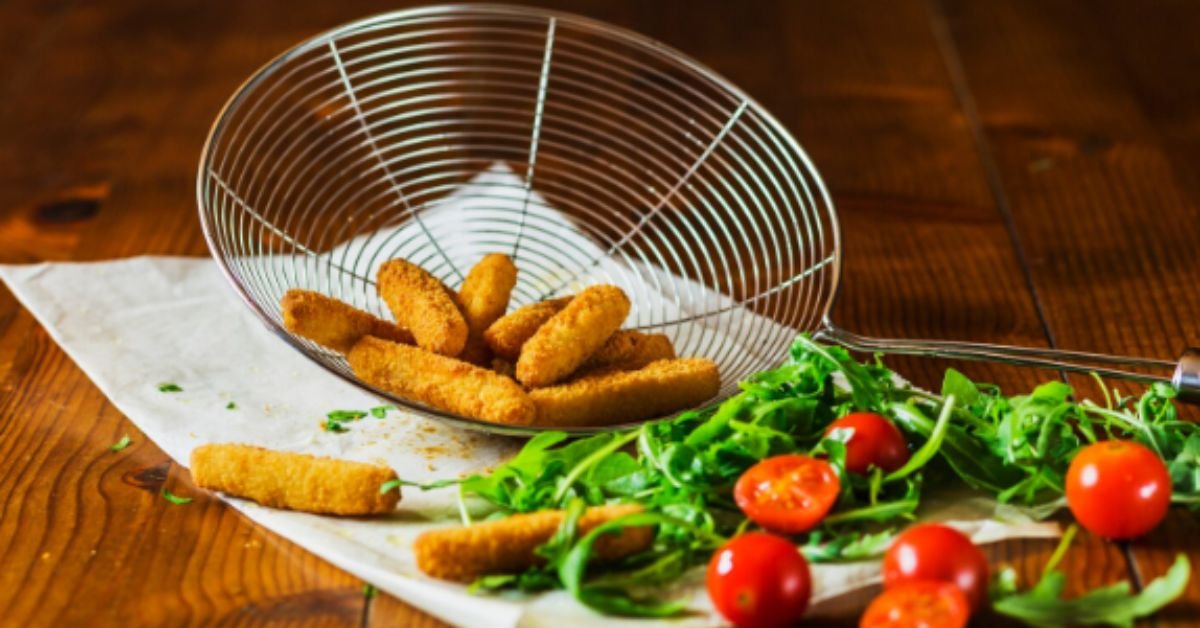
For many of us, fried food brings up memories of crispy fries, golden chicken, and that satisfying crunch you can only get from a deep fryer. Unfortunately, it also often comes with a heavy dose of oil, calories, and guilt. But that’s where the air fryer has completely changed the game. This countertop appliance makes it possible to enjoy your favorite fried foods in a much healthier way—without sacrificing taste or texture.
An air fryer works by circulating hot air rapidly around the food, creating a crisp, golden exterior similar to traditional frying. But instead of submerging food in oil, it uses only a fraction of the amount—sometimes just a light spray. That simple switch can cut fat and calories dramatically, making it easier to enjoy fried favorites without straying from a balanced diet.

How the Air Fryer Works
Understanding the mechanics of an air fryer helps explain why it’s such a healthy alternative to deep frying. At its core, the air fryer uses a high-powered fan and heating element to create convection heat. The hot air swirls around the food at high speeds, cooking it evenly and forming a crispy outer layer.
The result? Foods that mimic the texture and flavor of fried dishes, with little to no added oil. It’s ideal for anything from homemade fries and breaded fish to roasted vegetables and baked goods. And because it cooks quickly and evenly, it can save time in the kitchen, too.
Benefits of Air Frying for Health
1. Less Oil, Fewer Calories
One tablespoon of oil contains about 120 calories. Traditional deep frying can soak food in several tablespoons (or more), which adds up quickly. Air fryers eliminate the need for large amounts of oil. Most recipes use only a light brush or spray, reducing overall fat and calorie content significantly.
This makes it easier to stick to healthy eating goals without feeling deprived. You still get that satisfying crunch, but with fewer consequences.
2. Lower Risk of Harmful Compounds
Deep frying at high temperatures can produce harmful compounds like acrylamide, especially in starchy foods like potatoes. Air frying, because it operates at lower temperatures and uses dry heat, has been shown in studies to produce significantly lower levels of these compounds.
This adds another layer of health protection, particularly for those who eat fried food regularly.

3. Retains More Nutrients
Because air fryers cook food quickly and don’t require submersion in hot oil, they tend to preserve more nutrients than some other methods, such as boiling or deep frying. Vegetables, in particular, retain more vitamins and minerals when cooked in an air fryer, especially when compared to longer cooking methods that leach nutrients into water or oil.
The Typhur Dome 2 Air Fryer: Perfect for Healthier Fried Foods
When it comes to air fryers, not all are created equal. Some air fryers may cook unevenly, leaving you with portions that are crispy on one side but soggy on the other. The Typhur Dome 2 Air Fryer stands out as one of the top options for anyone serious about creating healthy, perfectly fried food.

The Typhur Dome 2 features a Signature Airflow System with Dual Heating Elements, ensuring even cooking and faster results. The dual heating elements (top and bottom) work together with the 360° Heating Technology to create a powerful cooking environment that delivers a crisp, golden-brown finish every time. Whether you’re cooking chicken, fries, or even desserts, the Typhur Dome 2 guarantees that your food will be evenly cooked with minimal effort.
Moreover, the Typhur Dome 2 Air Fryer boasts an extra-large capacity, allowing you to cook more food at once, making it perfect for families or meal prepping. The spacious cooking area means you can prepare everything from crispy fries to roasted vegetables in one go, without the need for multiple batches.
The Typhur Dome 2 also includes a self-cleaning mode, which helps maintain cleanliness by breaking down grease and grime from the appliance after each use. This is particularly useful after cooking with minimal oil, ensuring that you can keep your air fryer hygienic with little effort.
Healthy Foods You Can Make in an Air Fryer
If you think air fryers are only good for frozen fries, think again. There’s a wide variety of healthy, whole-food options that work beautifully in this appliance.
- Sweet Potato Fries: Toss with olive oil and spices for a fiber-rich, vitamin-packed alternative to regular fries.
- Brussels Sprouts or Broccoli: Crisp on the outside, tender on the inside—perfect with a dash of lemon or balsamic.
- Salmon or Chicken Breast: Cooked to juicy perfection without drying out.
- Tofu: A plant-based protein that crisps up nicely and pairs with almost any seasoning.
- Zucchini Chips or Eggplant Slices: A crunchy snack or side with very few calories.
Even healthy snacks like roasted chickpeas or homemade granola bars can be made in the air fryer, proving that it’s far more versatile than just a fryer replacement.
Tips for Healthier Air Frying
- Choose Whole Ingredients: Skip the heavily processed frozen foods. Make your own versions using whole, fresh ingredients.
- Mind the Oil: Even though you’re using less, pay attention to the type of oil you use. Healthier choices like olive oil or avocado oil are better options than processed vegetable oils.
- Watch the Portion Size: Air frying makes food healthier, but it’s not a free pass to overeat. Portion control still matters.
- Don’t Overcrowd the Basket: Cooking in small batches ensures crispiness. When food is packed too tightly, it tends to steam instead of fry.
- Use Seasonings for Flavor: You don’t need extra fat for food to taste good. Spice blends, fresh herbs, garlic, and citrus zest can elevate your dishes without adding calories.
The Convenience Factor
Beyond health benefits, the air fryer is simply convenient. It preheats quickly, cooks faster than a traditional oven, and requires minimal cleanup. For busy families or individuals trying to eat better on a tight schedule, that convenience can be the difference between cooking a healthy meal or grabbing takeout.
Plus, many air fryers can roast, bake, and reheat, making them one of the most multi-functional tools in a modern kitchen.
Final Thoughts
Switching to an air fryer doesn’t mean you have to give up the foods you love—it means you can enjoy them in a smarter, healthier way. From crispy vegetables to juicy proteins and even guilt-free snacks, air frying offers a balance between flavor and nutrition that’s hard to beat.
With a little creativity and the right approach, your air fryer can become a cornerstone of your healthy cooking routine. It’s more than just a trendy appliance—it’s a practical step toward eating better without sacrificing the comfort and satisfaction of fried food.

Not long ago, buying in bulk was seen as something only supermarkets or multinational brands did. Today, more food entrepreneurs are embracing it as a smart way to keep costs low while maintaining top-tier quality. It’s no longer a matter of “if” bulk purchasing works—it’s about how well you can integrate it into your business model.
The Rising Cost of Ingredients
With inflation affecting almost every ingredient, from flour to premium nuts, entrepreneurs are under pressure to protect their margins. Bulk buying creates a price buffer, so sudden market spikes don’t hit as hard.
Consumer Demand for Quality and Value
Customers expect both freshness and affordability. Buying larger quantities of quality products allows you to meet these demands while still earning a healthy profit.
The Economics of Buying Nuts in Bulk
Cost Per Unit Advantages
The simplest math in food entrepreneurship is this: the more you buy, the less you pay per unit. Whether you’re stocking almonds, pecans, or pistachios, the savings from bulk purchasing can be substantial over a year.
Supplier Negotiation Power
When your orders are bigger, you gain more influence with suppliers. That can mean better prices, faster delivery, or even early access to limited seasonal stock.
Reduced Packaging Waste
Buying in bulk reduces packaging materials, cutting down not only on costs but also on your business’s environmental footprint.
Why Nuts Are a Smart Bulk Purchase
High Versatility in Culinary Use
Nuts work in multiple product lines—sweet, savory, and snack-oriented. One ingredient can fuel dozens of recipes.
Long Shelf Life When Stored Properly
Stored in the right conditions, nuts can maintain freshness for months, making them a low-risk bulk investment.
Strong Market Demand
The global demand for healthy, protein-rich foods is rising, and nuts are right in the middle of that trend.
How Bulk Nut Buying Impacts Profit Margins
Lower Ingredient Costs
Reducing ingredient costs directly boosts your profit per sale—whether you’re selling a slice of pistachio cake or a jar of almond butter.
Opportunities for Upselling
With more stock on hand, you can diversify offerings—introducing new flavors or product formats that appeal to different customer segments.
Better Cash Flow Management
Savings from bulk purchases can be reinvested into marketing, staff training, or upgraded equipment.
Choosing the Right Nuts for Your Business
Popular Choices for Baking
Almonds, walnuts, and hazelnuts are classics in bakeries. Their consistent flavor and texture make them reliable staples.
Nuts for Savory Dishes
Cashews and pistachios are favorites for gourmet salads, sauces, and Middle Eastern-inspired recipes.
Specialty and Seasonal Nuts
High-value nuts like macadamias or pine nuts can become signature ingredients for premium products.
The Role of Pistachio Kernel Bulk in Food Businesses
Cost Efficiency and Quality
Buying pistachio kernel bulk is a win-win: you get premium-grade pistachios at competitive prices without sacrificing quality. This is critical for businesses that rely on consistent taste and texture.
Ideal for Multiple Product Lines
From rich pistachio ice cream to gourmet baklava, pistachio kernels offer unmatched versatility. Bulk buying ensures you never run out during peak demand.
Market Positioning
Using high-quality pistachios positions your brand as premium, making it easier to attract customers who are willing to pay more for excellence.
Storage and Handling Best Practices
Optimal Temperature Control
Cool, stable temperatures help maintain the natural oils in nuts, preserving freshness.
Airtight Containers
Minimize exposure to moisture and pests by storing in airtight containers.
Rotation and Inventory Management
First-in, first-out stock rotation keeps your ingredients at peak quality.
Packaging Strategies for Bulk Nuts
Repackaging for Retail Sales
Bulk stock can be portioned into branded retail packs, creating an additional revenue stream.
Custom Mix Creation
Blend pistachios, almonds, and cashews to offer signature mixes that stand out from competitors.
Eco-Friendly Packaging
Sustainable packaging not only appeals to eco-conscious buyers but can also justify a higher price point.
Marketing Bulk Nut-Based Products
Storytelling in Branding
Customers connect with the journey behind the ingredient—share how you source premium nuts and why you choose bulk suppliers.
Health-Focused Marketing
Highlight the benefits: healthy fats, protein, vitamins, and plant-based nutrition.
Seasonal Promotions
Create themed products for holidays and events—think pistachio truffles for Valentine’s Day or nut mixes for the holiday season.
Pistachio Kernels for Bakeries and Cafes
Enhancing Flavor Profiles
Incorporating pistachio kernels for bakeries and cafes elevates ordinary pastries, biscotti, or scones into high-value menu items.
Visual Appeal
The natural green hue of pistachios adds visual charm, making desserts more enticing to both the eye and the palate.
Cross-Selling Opportunities
Pair pistachio-based baked goods with specialty coffee or tea to increase average transaction value.
Sourcing Reliable Bulk Nut Suppliers
Checking Certifications
Ensure your supplier meets food safety standards and carries certifications that match your market’s requirements.
Evaluating Logistics
Fast, reliable delivery is essential to avoid production delays.
Building Long-Term Relationships
Steady, ongoing orders can lead to loyalty discounts and priority access to fresh stock.
Avoiding Common Pitfalls in Bulk Nut Purchasing
Overestimating Demand
Buying too much without a sales plan risks waste.
Ignoring Storage Capacity
Insufficient storage can compromise quality before products are even sold.
Not Sampling Before Purchase
Always sample before committing to large orders to verify quality.
Scaling Your Business with Bulk Nuts
Expanding Product Range
Experiment with new product lines like nut butters, health bars, or gourmet snack boxes.
Wholesale Opportunities
Supply other small retailers, creating an additional income stream.
Leveraging Online Platforms
E-commerce channels make it easier to sell both locally and internationally.
The Long-Term Benefits of Bulk Buying
Consistent Product Quality
Working with one trusted bulk supplier ensures uniform flavor and appearance in every batch.
Stronger Supplier Partnerships
Consistency builds trust, which often leads to better prices and special offers.
Competitive Advantage
Lower costs and premium quality give you an edge in saturated markets.


Ready to take your backyard cooking to the next level? A high-quality outdoor grill can transform your patio into a cooking adventure zone. From juicy steaks to grilled veggies and even wood-fired pizza, the right grill opens up a whole new world of flavor.
But with so many options out there, how do you choose the best one? Knowing what features to look for in a premium grill helps you choose one that fits your style and enhances outdoor cooking. Let’s get into it!
Durability and Construction Material
A top-quality outdoor grill should be tough enough to handle the weather and last for years. Look for grills made with stainless steel or strong cast aluminum-these materials don’t rust easily and can stand up to the elements.
Many premium grills include reinforced parts and sturdy wheels for stability over time. A well-built grill won’t just last longer-it’ll also give you reliable performance every time you cook outdoors.
Heat Control and Distribution
One key feature of a high-end outdoor grill is precise heat control. Models with multiple burners allow you to cook different foods at varying temperatures simultaneously. Some grills feature infrared burners for quick searing, while regular burners are better suited for slow cooking.
Other helpful features include quick-start igniters and built-in thermometers, making it easier to manage your cook. A good grill will also have even heat distribution, so every part of the surface gets hot without cold spots that can mess up your food.
Versatility in Cooking Options
One of the most attractive aspects of investing in a premium outdoor grill is the versatility it offers. Many high-end models come with attachments or adaptations for various cooking methods, such as smoking, roasting, or even baking. A smoker box can add a rich, smoky flavor to meats, while an included rotisserie system allows you to slow-roast larger cuts of meat evenly.
For top-tier versatility, consider a Kamado grill. Known for their excellent insulation and heat retention, they can work as a grill, smoker, or oven, making them ideal for any outdoor cook.
Ease of Cleaning and Maintenance
A premium outdoor grill should cook well and be easy to maintain. Grates with a porcelain coating help stop food from sticking and make cleanup easier.
Removable drip trays and built-in grease systems also help you clean up quickly after cooking. Some grills feature adjustable air vents that improve airflow and reduce soot buildup.
Innovative Features
Finally, new technology in outdoor grills makes cooking easier and more efficient. Some grills have Wi-Fi, so you can check and control the temperature using your phone.
This allows for better results with less effort. Extra features like LED lights, side burners, and warming racks also make grilling more convenient and enjoyable.
Maximize Your Outdoor Cooking Experience
Buying a high-quality outdoor grill is a great way to take your cooking to the next level. When you know what to look for-strong materials, good heat control, easy cleaning, and extra features-you can choose the best grill for you.
A good grill not only helps you cook better meals, but also brings people together for fun and memorable outdoor get-togethers. So why wait? Upgrade your grill and enjoy everything a top grill has to offer!
-

 Entertainment10 months ago
Explore The Kristen Archives: A Treasure Trove Of Stories & More
-

 Business2 years ago
What is O Farming: How to Make Money Online and Its Start-Up Benefits
-

 Entertainment2 years ago
Sandra Orlow: Exploring the Life and Legacy of a Cultural Icon
-

 Law10 months ago
Protect Your Vehicle with These Smart Motor Insurance Strategies
-

 Technology2 years ago
Geekzilla Radio: Your Portal to the Ultimate Geeky Adventure!
-

 General2 years ago
Baby Alien Fan Bus: Watch Parts 2 & 3 on Twitter, Reddit!
-

 General2 years ago
Diana Nyad & Bart Springtime: A Swim to Success
-

 Fashion2 years ago
DIY Fashion: Customizing Your Black Homecoming Dress for a Personalized Touch