
Pets
Calming Collars for Dogs: Choosing the Right One for Your Pet


If you have dogs, you may have noticed that they feel anxiety under some situations, be it thunderstorms, fireworks, or they get anxious when you leave them at home alone. This anxiety can present itself in many forms, from excessive barking and destruction to trembling and other physical symptoms. The calming collar is one solution that has become popular with dog owners. This will be an informative article discussing calming collars and where you can go get them near you.
What is a Calming Collar?
Calming collar: A calming collar is a collar specifically designed to release calming pheromones or essential oils to help relieve anxiety in dogs. These collars are generally made out of a durable material and are saturated with natural ingredients to help settle them down. They’re easy to use and provide a simple way for pet owners to help their dogs relax without resorting to drugs.
How Do Calming Collars Work?
Calming collar for dogs nearby emit pheromones or organic oils, mimicking natural scent cues that a mother dog produces for her puppies. Scents like lavender and chamomile identified and are known to have these properties leading to a calming effect on dogs and making them feel secure and not anxious. These the collars work by slowly releasing these calming agents over time.
Here are some ingredients commonly found in calming collars:
Lavender: This fragrant herb is well known for its calming effects, reducing dog anxiety and promoting relaxation.
Chamomile: Commonly found in soothing products, chamomile is a mild sedative.
Pheromones—artificial pheromones like Adapted mimic the natural softer pheromones that a mother dog releases upon her pups; these will assist with educating him that he is safe and comfortable.
Why Use a Calming Collar
Non-Invasive: Calming collars do not require invasive treatment of your dog. They have no side effects like most medications and can be used alongside other treatments.
Ease of Use: The collar goes on your dog, and it just works. No need for complicated dosing or administration.
Durability: Numerous calming collars suggest alleviation for several weeks, which makes them a convenient selection for persistent anxiousness troubles.
Versatile: Calming collars can be used in a range of situations, whether you’re anticipating a stressful event or just want to help your pup be more relaxed at home.
Calming Collars Nearby: Where You Can Find Them
If you’d like to give a calming collar a try for your dog, check out some these options around you:
Local Pet Supply Stores: Visit local pet supply stores, as they usually stock a selection of calming collars. The staff can make suggestions according to your dog’s individual needs.
Veterinary Clinics: Your veterinarian may recommend the right calming collar for your dog and even sell it in their clinic. They can also help figure out if a calming collar is the right solution for your pup’s anxiety.
Businesses: Online shopping can sometimes be more essential than traditional shopping. In the event that issues arise regarding the receipt of the ordered product, it is imperative to identify a reputable platform, such as China Wholesale, to ensure reliable service and product delivery. Shopping online gives you an opportunity to read customer reviews and compare different products.
Big-Box Retailers: Chains like Wal-Mart and Target usually have pet areas with calming collars. Look in the pet aisle for options that might work for your dog.
Advice on Using a Calming Collar
Follow Instructions: Always consult the manufacturer’s instructions for correct use and sizing. Make sure the collar is snug, but not so tight that it hurts.
Be Mindful: after introducing a calming collar, watch your dog. Notice if they seem to be better at handling their anxiety, but also notice if they react badly to things.
Incorporate with Other Methods: Although calming collars can work, you might also want to use them in combination with other anxiety-reducing techniques that may include training, exercise, and even creating a calming space for your dog.
Seek Veterinary Assistance: If your dog’s anxiety continues or escalates, consult your veterinarian for additional guidance and treatment.
Conclusion
So, calming collars offer a non-intrusive convenient method for dog owners dealing with anxiety. Whether it is a vibrating collar or a sound collar, learn all about what are these collars and where to get them nearby to make your doggo feel more confident and less anxious. As always, pay attention to how your dog responds to the collar and consult your veterinarian if you have any concerns. With a little patience, you can tailor your home to your loving pet
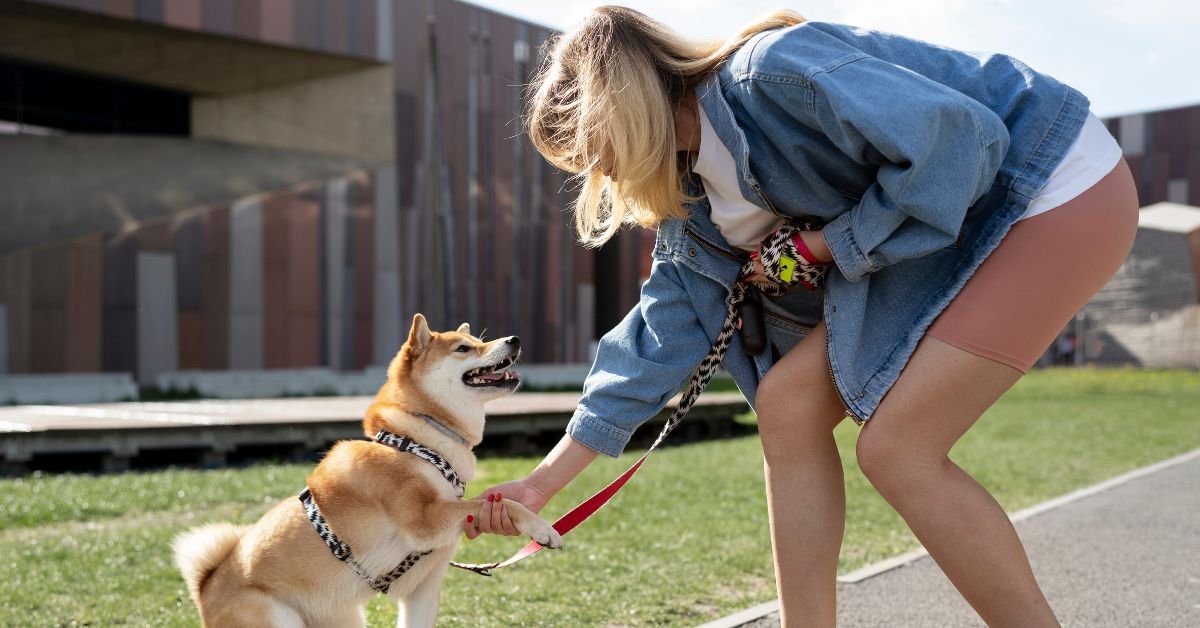
Selecting appropriate canine restraint equipment requires careful consideration of biomechanical factors, material durability, and breed-specific anatomical requirements. Modern pet owners increasingly recognize that traditional collar-based restraint systems can cause tracheal damage, cervical spine compression, and behavioral stress responses in dogs. Research conducted by veterinary orthopedic specialists indicates that one of the best dog harnesses in USA demonstrates superior force distribution across the chest and shoulders, reducing concentrated pressure points that commonly occur with collar systems. This comprehensive analysis examines the technical specifications, safety protocols, and performance metrics essential for making informed harness selection decisions.
Understanding Biomechanical Force Distribution
The physics of canine locomotion reveals why harness design significantly impacts pet comfort and safety. When dogs pull against traditional collars, forces concentrate directly on the trachea and cervical vertebrae, creating pressure readings that can exceed 40 pounds per square inch in medium-sized breeds. Harness systems redistribute these forces across broader surface areas, typically reducing peak pressure by 60-75% according to veterinary biomechanics studies.
Front-clip harnesses introduce additional complexity by redirecting pulling forces laterally, which can affect natural gait patterns. Research from canine rehabilitation centers suggests that while front-clip designs effectively reduce pulling behavior, they may create compensatory movement patterns in the shoulders and hindquarters during extended use.
Material Science and Durability Considerations
Modern harness construction utilizes advanced textile engineering principles to balance strength, flexibility, and comfort. Nylon webbing remains the gold standard for load-bearing components, with tensile strength ratings typically ranging from 500 to 1,200 pounds for quality harnesses. However, the weave density and thread count significantly influence both durability and comfort against the dog’s skin.
Padding materials have evolved beyond simple foam inserts to include memory foam composites, gel-infused polymers, and moisture-wicking synthetic fabrics. These advanced materials address common issues like pressure sores, heat retention, and bacterial growth that plagued earlier harness designs.
Breed-Specific Anatomical Adaptations
Different dog breeds present unique anatomical challenges that affect harness fit and function. Brachycephalic breeds like Bulldogs and Pugs require harness designs that accommodate shortened airways and modified chest proportions. Deep-chested breeds such as Greyhounds and Great Danes need harnesses with extended chest panels to prevent interference with natural breathing mechanics.
Working breeds often require reinforced stress points and additional adjustment mechanisms to accommodate seasonal weight fluctuations and muscle development changes. Sporting breeds benefit from harnesses designed with range-of-motion considerations for activities like agility training and field work.
Measurement Protocols and Fit Optimization
Proper harness sizing requires multiple anatomical measurements beyond simple chest circumference. Professional fit protocols include girth measurements at the widest chest point, neck-to-chest length, and shoulder blade positioning assessments. Seasonal adjustments become necessary as coat thickness changes and muscle mass fluctuates with activity levels.
Temperature regulation considerations also influence harness selection, particularly for breeds with dense undercoats or those living in extreme climates. Ventilation channels, moisture-wicking materials, and reflective elements contribute to thermal management during extended wear periods.
CLIC


Work can get busy and stressful, so it is important to find fun ways to help employees feel better. One creative idea is adding dog training to company wellness programs. Imagine coworkers laughing and learning together while they teach dogs new tricks. It’s not just fun- it helps people relax, connect, and work better as a team. And let’s face it, spending time with dogs can make anyone’s day better.
Let’s explore how this simple idea can make a big difference at work.
The Benefits of Incorporating Pet Training
More and more companies are seeing the benefits of full-body and mind wellness programs. Adding pet training to these activities can help create a healthier, more positive workplace.
When employees spend time with animals, it lifts their mood and helps them feel more connected. This kind of experience supports emotional balance and makes it easier for people to handle stress.
Team Building Through Training
Pet training can also be a great way to build stronger teams. During training sessions, employees have to work together, which helps them communicate more effectively.
Teaching a dog takes patience, teamwork, and understanding- skills that are useful on the job, too. Regular practice can create a friendlier and more supportive work environment while helping people build important social skills.
Cost-Effectiveness of Integrating Pet Training
Starting a pet training program can be less expensive than some other wellness programs, like gym memberships or therapy services. Companies can work with local pet trainers, such as OverWatch K9 Academy, to create fun and useful workshops.
These sessions can be designed to fit the company’s needs and keep employees interested. Over time, this kind of program can bring lasting benefits, making it a smart choice for wellness budgets.
Reducing Stress through Hands-On Activities
Employees deal with all kinds of stress at work, like deadlines and tough projects. Doing something active, like dog training, gives them a chance to take a break and relax in a calming space.
Working with a dog can bring joy and a sense of play, helping people feel better and handle tough days more easily. It also gives them a healthy way to let out emotions and feel more balanced.
Implementing a Pet Training Program
Starting a pet training program at work can be pretty easy. First, ask employees if they’re interested and if they have any experience with pets.
Then, set up workshops for different skill levels. Having regular sessions led by skilled trainers helps make sure everyone learns while having fun.
Creating a friendly space where employees can share tips and stories also makes the experience better. Letting them bring their pets to work during these sessions adds to the fun and can turn training into a favorite workplace tradition.
A Win-Win for Employers and Employees
Integrating pet training into corporate wellness programs is not just a trend; it is a transformative approach that can dramatically enhance employee well-being and workplace culture. When employees feel happier and less stressed, productivity naturally improves. Consider partnering with platforms to bring a unique and valuable training experience to your organization. By doing so, you can foster an environment of collaboration, increased morale, and enhanced mental health.
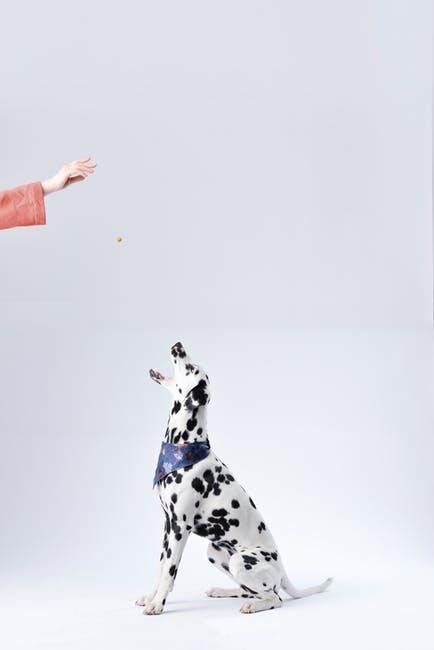
Every pet owner wants to see their beloved pet happy and healthy. One of the simplest ways to bring a smile to their face is through delicious and nutritious pet treats. But with so many options available, picking the right ones can be overwhelming.
This ultimate guide will help you wade through the choices and ensure you’re making the best decisions for your beloved companion. Keep on reading to learn more.
Understanding Your Pet’s Needs
Just like humans, pets have unique dietary requirements. Understanding these needs is crucial when selecting healthy pet treats. Here are some factors to consider:
- Age
- Weight
- Health Conditions
- Type
Types of Pet Treats
In the vast market for pet snacks, there are a few main categories. Each type has its pros and cons:
Dog Treats
Dog treats come in many types like biscuits, jerky, and chewy sticks. Pick ones made with good ingredients and not too many calories. Some help clean teeth too.
Cat Treats
Cats like treats that are crunchy or meaty. Choose treats with healthy stuff like vitamins and protein. Good treats help keep your cat strong.
Training Treats
Training treats are small and soft. They help pets learn by giving quick rewards. Use ones that are low in calories so your pet stays healthy.
Ingredients Matter
When browsing for pet treats, always read the label. High-quality treats are typically made with real meat, whole grains, and vegetables. Be wary of treats containing fillers like corn or soy. Opt for:
- Natural ingredients
- No artificial preservatives
- Animal protein sources, like chicken or fish
- Added vitamins and minerals
Homemade Treats: A Personal Touch
If you enjoy spending time in the kitchen, consider making homemade pet treats. This allows you to control every ingredient. Some easy recipes involve simple components like peanut butter, pumpkin, and oats. Just make sure any ingredients you use are safe for your pet.
Store-Bought Treasures
Purchasing dog treats and cat treats from stores can be convenient. Look for reputable brands that prioritize quality. Check for customer reviews and consider a brand’s reputation before purchasing. Local pet stores often have knowledgeable staff who can recommend the best options.
Rewarding with Purpose
Using treats is about more than just enjoyment; it’s bonding time and training reinforcement. Effective use of treats can:
- Strengthen your companionship
- Encourage good behavior
- Assist in training new commands
Remember to use them wisely! Moderation is key, so avoid overloading your pet with snacks.
Choosing the Right Treats
In the end, selecting the right treats boils down to understanding your pet’s individual preferences and needs. Make sure to balance their health and enjoyment by taking the time to choose wisely. By focusing on quality ingredients and considering your pet’s specific requirements, you’ll be well on your way to making treat time a truly delightful experience.
Make Treat Time Special for Your Beloved Pet
At the end of the day, knowing your beloved pet is getting the best of the best in snacks makes all the difference. Whether you opt for store-bought solutions or craft delightful homemade tasty bites, the joy it brings your beloved best friend is priceless. Treat them with love and care!
-

 Entertainment10 months ago
Explore The Kristen Archives: A Treasure Trove Of Stories & More
-

 Business2 years ago
What is O Farming: How to Make Money Online and Its Start-Up Benefits
-

 Entertainment2 years ago
Sandra Orlow: Exploring the Life and Legacy of a Cultural Icon
-

 Law10 months ago
Protect Your Vehicle with These Smart Motor Insurance Strategies
-

 Technology2 years ago
Geekzilla Radio: Your Portal to the Ultimate Geeky Adventure!
-

 General2 years ago
Baby Alien Fan Bus: Watch Parts 2 & 3 on Twitter, Reddit!
-

 General2 years ago
Diana Nyad & Bart Springtime: A Swim to Success
-

 Fashion2 years ago
DIY Fashion: Customizing Your Black Homecoming Dress for a Personalized Touch