
Travel
How to Tailor Travel Itineraries for Different Types of Travelers


Travel can be one of life’s most rewarding experiences. It offers both discovery and an escape from the routine of everyday life. However, every traveler has unique preferences that influence how they wish to explore the world.
Whether you’re crafting travel itineraries for families on vacation, solo adventurers, or luxury seekers. This tailors each plan to fit their individual travel styles enhances the journey. Understanding how to create personalized itineraries is key to ensuring that every traveler has a memorable and fulfilling experience.
Understanding Different Traveler Types
Before planning a trip, it’s important to think about the different types of travelers. Some people travel alone and enjoy unique adventures while meeting new friends. Families usually look for places that are fun for kids and everyone else.
Adventurous travelers love exciting activities like hiking, biking, or exploring new cultures. Luxury travelers enjoy fancy experiences and special services that make their trips extra comfortable. Budget travelers like to save money and focus on having fun experiences rather than spending on luxury.
Tips for Crafting Specific Travel Itineraries
Solo Travelers
Traveling alone can be an amazing way to learn about yourself. You get to discover what you enjoy, what makes you comfortable, and how you feel in different situations.
When planning trips for people traveling solo, it’s a good idea to include ways for them to meet others. This could be group tours, fun workshops, or meet-ups with other travelers. It’s also important to make sure the plan is flexible so they can decide what to do based on how they feel that day.
A great plan might include stops at
- · cozy local cafés
- · hop-on, hop-off buses
Families
Travel plans for families should include fun activities for both kids and adults. It’s important to pick places that everyone can enjoy, no matter their age. Families also need time to relax, so adding breaks to the schedule is a good idea.
Since families often like to make last-minute plans, it’s helpful to have extra activities they can choose from if they feel like it. This way, the trip can be both fun and flexible for everyone!
Some helpful inclusions might be:
- · Family-friendly museums
- · Interactive parks or activities
- · Rest times during the day for naps
By keeping these factors in mind, a family travel itinerary will resonate well with parents and make the vacation enjoyable for children.
Adventurous Travelers
For people who love adventure, travel plans should be full of exciting activities to keep them thrilled! Adding action-packed things to do makes the trip extra fun. It’s great to include a mix of planned activities and free time for trying something new.
Here are some suggested features:
- · Group activities like canyoning or white-water rafting
- · Unique dining experiences, such as cooking classes
- · Local festivals or spontaneous events happening during their stay
Adventurous travelers often seek out hidden gems. In travel itineraries for this demographic, including lesser-known spots can greatly elevate the experience.
Luxury Travelers
When planning trips for people who love luxury, it’s important to include special and fancy experiences. These travelers want to stay in beautiful places and enjoy top-notch services.
For a luxury trip, you could add fancy meals at gourmet restaurants, private tours with guides, and visits to exclusive spots that most people don’t get to see. It’s all about making the trip extra special and comfortable!
Suggestions might encompass:
- · Dining at Michelin-starred restaurants
- · Private yacht charters or helicopter tours
- · Access to cultural events or galas
Wellness-focused itinerary options, such as spa days or yoga retreats, can also be beneficial, as luxury travelers often prioritize their well-being while on vacation.
Budget Travelers
When planning trips for people who want to save money, it’s important to focus on having fun without spending too much. You can include lots of cool things to do that are free or cost very little.
Suggestions could include:
- · Walking tours led by locals
- · Exploring parks or nature reserves
- · Sampling local street food
By providing thorough information on economical options, budget travelers can enjoy rich experiences without overspending.
Utilizing Technology to Create Travel Itineraries
Today, technology makes planning trips easier with apps and websites that help you organize your travel plans. Some apps let you change your itinerary in real-time if something unexpected comes up.
You can use map apps to find fun things to do close to where you’re staying. Itinerary planner apps also make it easy to create your plan and share it with family or friends, so everyone knows what to expect and can join in on the fun!
Resources for Tailoring Travel Itineraries
There are many helpful websites for different types of travelers. Sites like TripAdvisor and Lonely Planet can give great advice on the best places to visit, where to stay, and fun things to do based on what kind of trip you want.
You can also join forums and social media groups where travelers share their experiences and ideas. Reading what others have to say can help make your trip even better, and it’s a great way to get tips from people who have already been there!
Importance of Personalization
Making travel plans personal is important because it helps travelers have a better time. When you consider what someone likes, they can enjoy their trip even more. Personalizing a trip makes it feel special and turns an ordinary vacation into an unforgettable adventure!
Incorporating small group tour in Iceland into itineraries offers travelers more personalized attention from guides, deeper cultural interactions, and unique insights into destinations. This focus on individual experiences is what will truly elevate a traveler’s adventure.
Summing Up the Essentials
Making travel itineraries that match what different travelers like can make their trips even more fun. Whether they’re adventure lovers or families, knowing what each person enjoys helps create exciting and memorable vacations.
As people look for new and special experiences, making travel plans personal is more important than ever. Use these tips to create fun plans that let everyone explore and enjoy their journey. A well-planned trip doesn’t just make people excited; it turns regular vacations into amazing adventures.
Ready to make the perfect travel plan? Start today and make sure everyone has a fantastic time!
For more travel tips, check out our other blog posts.


Understanding the Role of Exterior Lighting in Boating Safety
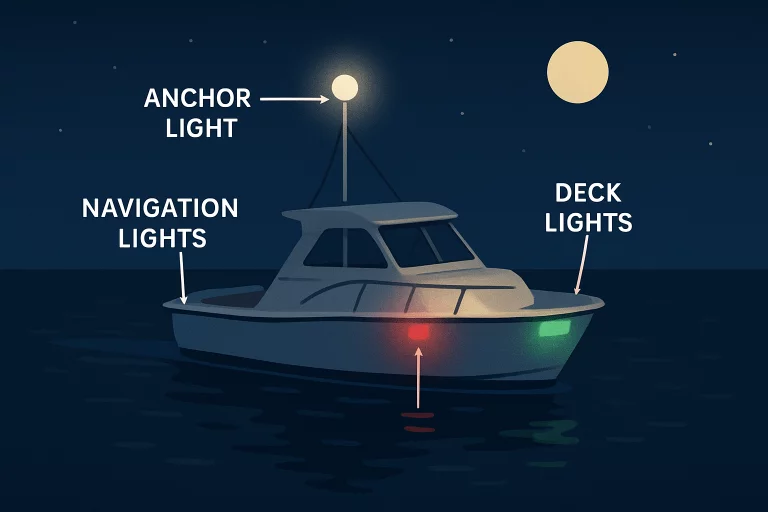
Proper exterior lighting is crucial for safe boating, especially at night or in low-visibility conditions. Navigation, anchor, and deck lights are not just helpful—they are legally required and essential for avoiding collisions and ensuring your vessel’s presence is clear to others. High-quality options, such as those from Barnegat Lights marine products, help meet safety and legal standards.
Organizations stress that compliant lighting is a frontline defense against nighttime boating accidents. Whether you’re a recreational boater or operate commercially, understanding and maintaining proper lighting systems is a key part of responsible and safe maritime navigation.
Types of Exterior Lighting for Boats
A well-equipped boat relies on several specialized lighting systems to ensure safety, functionality, and compliance with legal regulations. Navigation lights (red, green, and white) help other vessels interpret your position and direction, enabling them to avoid collisions. Anchor lights, which emit a steady white glow visible in all directions, mark a stationary vessel during low visibility. Deck lights illuminate onboard areas to prevent accidents after dark, thereby enhancing passenger and crew safety. Spotlights and floodlights provide powerful illumination for tasks such as docking, fishing, and scanning for hazards. Understanding and using each type correctly is vital for safe and lawful boating.
Advantages of LED Lighting in Marine Applications
LED technology has revolutionized marine lighting, providing boaters with a highly efficient, long-lasting, and durable solution. Compared to traditional bulbs, LED marine lights consume significantly less power, thereby preserving battery life, which is crucial for vessels with limited electrical resources. They’re also built to withstand harsh marine conditions, resisting corrosion, vibration, and impact. With lifespans reaching up to 50,000 hours, LEDs minimize the need for replacements and lower maintenance costs.
Upgrading to LED lighting is more than just energy-smart—it enhances safety, reliability, and long-term cost savings. Learn more about the advantages of these LED flood lights in this guide.
Many boat owners are now making the switch not just for efficiency, but for peace of mind during long trips. With LED lighting, your vessel remains safely illuminated, regardless of the conditions.
Potential Interference Issues with LED Lights
While LED marine lights are energy-efficient and long-lasting, they can introduce serious electronic interference issues if poorly manufactured or improperly installed. Such interference, known as electromagnetic interference (EMI), can disrupt critical communication systems like VHF radios and AIS (Automatic Identification Systems), which are essential for safety and navigation. This can result in missed distress calls or navigational data errors, which can be particularly dangerous in emergencies or congested waterways. The problem is especially pronounced with lower-quality LED fixtures, making it crucial for boaters to invest in well-designed, marine-rated lighting systems.
Identifying and Addressing Interference
Detecting interference from LED lights involves a simple test using your VHF radio. First, turn off all LED lights and tune the radio to a quiet channel, adjusting the squelch until static is heard and then reduced. Turn the LED lights back on—if the static returns, it’s likely your LEDs are the source of interference. The U.S. Coast Guard and other authorities stress the importance of this kind of testing and recommend investing in certified marine-grade LED products. These higher-quality systems are designed to meet interference standards, significantly reducing the risk of compromising onboard electronics and ensuring safer communication at sea.
Compliance with Marine Lighting Regulations
Adhering to established marine lighting regulations is not just a matter of legality—it’s essential for vessel safety. The International Regulations for Preventing Collisions at Sea (COLREGs) dictate the specifications for lighting placement, color, intensity, and function to ensure vessels can interpret each other’s signals correctly, especially in low-visibility conditions. Failing to meet these standards can result in legal penalties, insurance complications, and increased accident risks. Additionally, because lighting regulations can differ by jurisdiction, especially in international waters, boaters must stay informed and ensure that all lighting systems remain compliant with both local and international standards.
Best Practices for Installing and Maintaining Exterior Lighting
To ensure both functionality and compliance, proper installation and maintenance of marine exterior lights are essential. Always follow manufacturer guidelines for positioning and mounting to achieve the correct beam angles and visibility. Routine inspections should check for cracked lenses, corrosion, and water ingress, which can degrade light output or cause electrical faults. Cleaning lenses and replacing faulty components promptly ensures maximum efficiency. Moreover, using lighting fixtures certified by marine authorities, such as the U.S. Coast Guard, guarantees that your system meets legal requirements while improving onboard safety and reducing the likelihood of regulatory violations.
Innovations in Marine Lighting Technology
Modern marine lighting has undergone significant evolution, offering advanced features that enhance safety, efficiency, and user control. Many systems now support wireless control, allowing boaters to adjust brightness or switch lighting modes remotely via smartphone apps or integrated onboard systems. Some even coordinate light color with navigation displays or adapt to changing conditions using GPS and ambient light sensors. These intelligent systems automatically activate appropriate lights based on location or time of day, eliminating manual errors and ensuring your vessel remains illuminated correctly in all operating conditions. As marine technology continues to advance, these innovative solutions are becoming a new standard for safer, more intuitive boating.
Conclusion
Investing in high-quality marine lighting goes far beyond aesthetics. It is a testament to your commitment to boating safety, regulatory compliance, and the welfare of everyone aboard. By understanding the essential types of exterior lighting, capitalizing on the distinct advantages of LED technology, remaining vigilant to potential technological challenges, and rigorously adhering to all regulations and maintenance best practices, you ensure that every outing is safer, more efficient, and more enjoyable for all.
With continued innovation in marine lighting technology, safeguarding your vessel and its occupants becomes easier, more reliable, and increasingly efficient, no matter where your adventures may take you.
CLICK HERE FOR MORE BLOG


For many pet owners, flying with a dog or cat isn’t just about getting from one place to another-it’s about keeping a beloved companion safe, calm, and cared for every step of the way. But air travel can be loud, busy, and unfamiliar.
The sights, sounds, and schedule changes make it tough on animals. For those who can’t be there to hold the leash or carrier themselves, there’s a trusted solution that bridges the gap.
Flight nanny services offer a new kind of travel support. They bring care, comfort, and human connection to your pet’s flight.
Whether you’re relocating, adopting, or reuniting with a furry family member, this service gives you peace of mind and gives your pet a much smoother trip. Keep reading to see how this growing option is making air travel better for animals and their people.
A Personal Touch in the Skies
Flying with pets isn’t always simple. Airlines have size rules, carrier limits, and destination restrictions.
Sometimes animals must fly alone or in cargo, and not every flight allows pets in the cabin. That’s where a flight nanny makes all the difference.
A flight nanny flies with your pet in the cabin, usually as a regular passenger. From check-in to arrival, they stay by the pet’s side, providing food, comfort, and attention. Instead of sitting alone in a cargo hold, your pet has someone watching, soothing, and caring at every moment.
It’s not just about carrying a crate-it’s about offering presence. For puppies, kittens, or rescues flying for the first time, that soft voice and steady hand can mean the world.
Designed for Safety and Comfort
Animals don’t understand travel. They don’t know why they’re suddenly in a carrier at the airport, surrounded by strangers and machines. That’s why familiar routines and gentle care are so important.
Flight nannies keep pets fed, watered, and calm. They know how to read the signs of stress and how to adjust.
If the animal is nervous, they talk to it softly or gently stroke its fur. They make sure the carrier stays upright, clean, and safe from bumps or sharp turns.
For longer flights, they bring wipes, blankets, and small comfort items. Some even text or send photos to the pet’s owner during travel, so you can see how your animal is doing in real time.
Because the pet stays in the cabin under close watch, there’s less risk of injury, delay, or getting lost in transit. It’s a smooth, secure option for animals that need a little extra love in flight.
Perfect for Breeders, Rescues, and Families
Not every pet journey begins at home. Sometimes you’re adopting from another state. Maybe you’re a breeder sending a new puppy to its forever home.
Perhaps you’re a military family moving across the country. These are all moments when pets must fly without their person-and where flight nanny services step in.
Breeders often prefer using a flight nanny to ensure the animal arrives healthy and unafraid. Rescues use them to bring adopted pets to their new homes. Families separated by work or distance can bring a pet back home without the stress of flying with it themselves.
The service fills a gap that’s hard to manage on your own. And because nannies are trained, patient, and used to animal behavior, they know how to keep the ride safe and peaceful from takeoff to touchdown.
Choosing the Right Service Matters
Just like choosing a babysitter, picking the right flight nanny takes care and research. You want someone who has real experience, not just with flights, but with animals too. Some nannies work through larger networks, while others are independent with plenty of happy reviews.
Ask questions about how they travel, what supplies they bring, and how they handle stress in pets. Find out if they’re insured, how they communicate during the trip, and what the process looks like from start to finish. A great flight nanny will walk you through everything with confidence and clarity.
Look for someone who treats the journey like more than a job. A calm, animal-loving professional can turn what could be a stressful flight into a smooth, even joyful trip.
What Happens Before and After the Flight
The journey starts before the airport. A good flight nanny connects with you to plan out each detail.
You’ll discuss the pet’s needs, feeding times, comfort items, and travel instructions. Flight nannies typically meet you at the airport to ensure a smooth transition for pets.
Once checked in, the nanny takes charge. They make sure the carrier meets airline rules, gets through security with care, and boards on time. In the air, they may check on the pet often, keeping them calm and cool.
At arrival, they bring the pet straight to the destination or meet the new owner at baggage claim. Everything is handled by hand-not passed between people or left in holding areas.
This door-to-door approach makes the experience seamless for pets and stress-free for their humans.
More Than a Travel Option-It’s Peace of Mind
Air travel is full of unknowns. For animals, that can lead to anxiety, and for owners, it brings worry. But when you know someone is walking the pet through each part of the journey, it changes everything.
A flight nanny service is more than just transport. It’s about safety, empathy, and care.
It’s about helping pets move across distances with the calm and kindness they need. Whether it’s a tiny puppy, a curious cat, or a senior dog flying to a new home, this service makes sure no one travels alone.
Safe Travels Start with the Right Companion
Flying with pets doesn’t have to mean risk or fear. With the right flight nanny by your side-or by your pet’s side-you gain comfort, control, and connection across every mile.
It’s a service built on trust and care, for those moments when your best friend has to fly without you. And with someone kind watching every step, you’ll both be ready for the next journey ahead.

Have you ever dreamed of walking through golden sand dunes or exploring ancient ruins lost in time?
Desert adventures offer more than just heat and sand-they reveal stories of powerful cultures and timeless beauty. From camel rides to historic carvings, every step brings a new wonder.
Ready to feel the magic? Plan your desert journey today and discover the past in every grain of sand.
Walk Ancient Paths
Walking through ancient sites takes you back in time. Stone paths and worn trails lead to old temples, villages, and markets. You can see carvings and ruins that tell stories from long ago. Each step brings a sense of wonder and discovery. The desert air adds a quiet magic to the journey.
These paths offer more than just history-they offer a real connection to the people who once lived there. You begin to feel their daily lives, their hopes, and their beliefs. Exploring on foot makes the experience more personal. It’s a peaceful way to understand the heart of ancient cultures. The desert helps you walk beside the past.
Ride a Camel
Traveling by camel is a classic desert experience. The gentle sway of the ride gives you time to take in the wide, open views. It feels like stepping into an old story from long ago. Camels are calm and steady, making the journey peaceful.
Along the way, you’ll see dunes that stretch far and wide. You might pass ancient spots once used by traders and travelers. Riding like they did helps you feel part of that history. It’s a quiet and unforgettable way to explore the desert.
Visit Old Temples
Ancient temples stand tall in the desert, full of history and mystery. Carvings on the walls show scenes from long-forgotten times. The quiet around these places makes them feel even more powerful. You can almost feel the presence of those who once worshipped there.
Seeing these sacred places is one of many unforgettable journeys the desert offers. Each temple has its own story and charm. You leave with a deeper respect for the culture and the past. It’s a moment that stays with you long after the trip ends.
Taste Desert Flavors
Desert food is full of rich flavors and history. You can try warm flatbreads, grilled meats, and sweet dates. Many dishes are made with spices that tell stories of trade and tradition. Meals are often cooked slowly over open fires, giving them a special taste. Every bite is both simple and meaningful.
Sharing food is part of the desert’s warm welcome. Locals may offer tea or sweets as a sign of friendship. Eating together helps you feel closer to their way of life. These meals are not just tasty-they connect you to the culture. It’s a flavorful journey through the past.
Sleep in a Tent
Spending the night in the desert is quiet and peaceful. Inside the tent, you are surrounded by soft blankets and warm lights. The stars outside shine brighter than anywhere else. You can hear only the wind and the gentle sound of sand shifting. It feels like a calm escape from the busy world.
Many tents are styled like those used by nomads long ago. They are simple, yet cozy and welcoming. Sleeping this way helps you feel closer to the land and its people. It’s a restful and magical part of the journey. You wake up feeling refreshed and connected to the desert’s spirit.
Explore Sand Dunes
Walking on the sand dunes feels like stepping into a golden sea. The wind shapes the sand into soft waves and smooth hills. Each step is gentle, and the quiet all around is calming. You can climb to the top and see the desert stretch for miles. It’s a peaceful and beautiful sight.
Some people slide down the dunes or take photos at sunset. The changing colors make the moment feel magical. These sandy hills have been part of desert life for ages. Exploring them helps you feel the heart of the desert. It’s a fun and unforgettable part of the journey.
Watch Cultural Shows
Evenings in the desert often come alive with music and dance. Performers wear bright clothes and move to rhythms passed down through time. Drums, flutes, and singing fill the air with energy. It’s a joyful way to learn about the local culture.
Many shows also share stories of the past. You’ll see how ancient customs are still celebrated today. Sitting under the stars makes the experience even more magical. These performances bring the heart of the desert to life.
See Rock Carvings
Hidden among the rocks, you’ll find carvings made by ancient hands. These images show animals, people, and daily life from long ago. Some are simple, while others are full of detail. They tell stories without using words.
Seeing them up close is like touching history. You can feel the connection to those who lived in the desert before. These carvings have lasted through time and weather. They are quiet treasures waiting to be discovered.
Find Desert Markets
Colorful stalls filled with handmade goods line the sandy paths. You’ll find woven rugs, pottery, spices, and jewelry. The smell of herbs and grilled food fills the air. Every item has a story and a local touch.
Talking with the sellers makes the visit more special. They often share the history behind their crafts. Shopping here is more than buying-it’s learning and connecting. It’s a lively way to experience the desert’s culture.
Listen to Local Legends
As night falls, locals often gather to share stories passed down through generations. These tales speak of brave heroes, hidden treasures, and magical creatures. The desert setting makes every word feel more real. Sitting around a fire, the stories come to life.
These legends are a window into ancient beliefs and values. You learn how people lived, feared, and hoped long ago. Some tours even include these stories as part of the experience. To hear them yourself, explore exciting Morocco tours and step into a world of wonder.
Learn More About Desert Adventures and Ancient Cultures
Desert adventures offer more than just beautiful views, they let you connect with history and culture in a unique way. From walking ancient paths to sleeping under the stars, every moment brings peace and wonder.
You’ll leave with unforgettable memories and a deeper respect for the past. If you’re ready for a journey like no other, the desert is waiting for you.
-

 Entertainment1 year ago
Explore The Kristen Archives: A Treasure Trove Of Stories & More
-

 Entertainment2 years ago
Sandra Orlow: Exploring the Life and Legacy of a Cultural Icon
-

 Business2 years ago
What is O Farming: How to Make Money Online and Its Start-Up Benefits
-

 Technology2 years ago
Geekzilla Radio: Your Portal to the Ultimate Geeky Adventure!
-

 Law1 year ago
Protect Your Vehicle with These Smart Motor Insurance Strategies
-

 General2 years ago
Baby Alien Fan Bus: Watch Parts 2 & 3 on Twitter, Reddit!
-

 Fashion2 years ago
DIY Fashion: Customizing Your Black Homecoming Dress for a Personalized Touch
-

 General2 years ago
Diana Nyad & Bart Springtime: A Swim to Success